

Something genuinely magical is happening in the British countryside after dark. Dark sky tourism in the UK has gone from a niche hobby for telescope enthusiasts to a full-blown travel trend, with new designations landing across Wales, the Scottish Borders, and stretches of rural England that most people couldn’t have pointed to on a map two years ago. I’ve been keeping an eye on this one for a while, and the speed of growth is frankly astonishing. Booking platforms are reporting waitlists for remote cottages in Pembrokeshire. Pubs in Galloway are selling out their “astronomy evenings” months in advance. This is real money, real communities, and genuinely stunning skies.
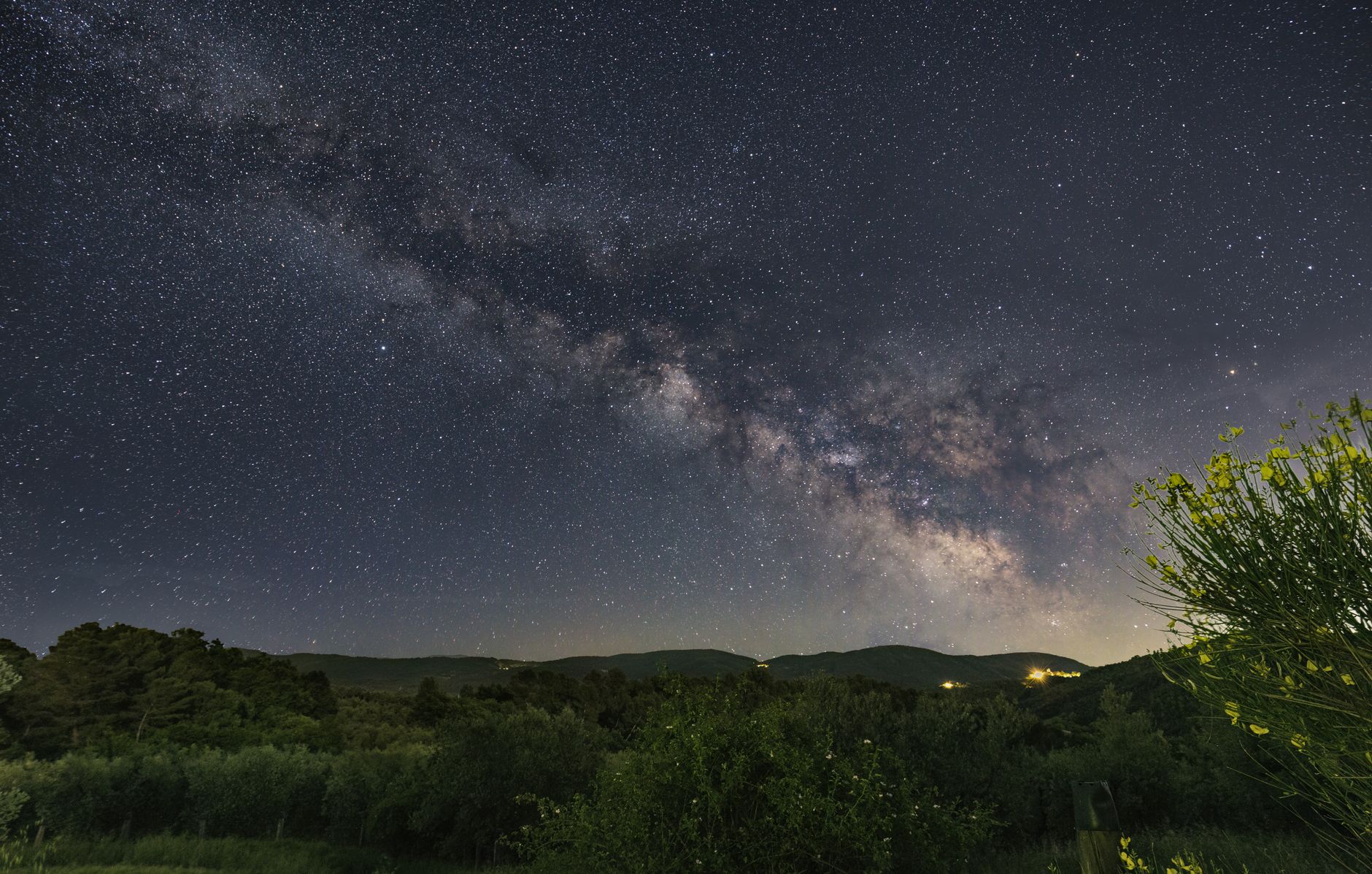
What is a dark sky designation and why does it matter?
The International Dark-Sky Association awards designations to places that meet strict criteria for low light pollution and active community commitment to preserving darkness. In the UK, Brecon Beacons was one of the first to get recognised, and it remains a flagship site. But the list has grown considerably. In 2025 and into 2026, new designations were confirmed across the Clwydian Range in north-east Wales, parts of Northumberland (which already hosts one of Europe’s largest dark sky parks), and several communities along the Scottish Borders where local councils have been quietly upgrading streetlights to amber LEDs and cutting curfew lighting. That last detail sounds dull but it makes an enormous practical difference to what you can actually see overhead.
A designation isn’t just a badge. It changes what local businesses can do with their marketing, attracts grants for community astronomy projects, and shifts the whole character of rural tourism in an area. I’d argue it’s one of the most underrated economic tools available to struggling rural communities right now.
The surprising places leading the charge
Everyone expects Northumberland’s Kielder Forest to come up in this conversation, and yes, it deserves every mention it gets. On a clear night in February, with no moon, the Milky Way is visible to the naked eye there. Brilliant. But some of the more surprising entrants to the dark sky tourism scene are worth shouting about.
The Cranborne Chase AONB, straddling Dorset and Wiltshire, became a designated dark sky reserve a few years back and has been quietly building an entire tourism ecosystem around it. Local farmhouses now advertise “star nights” as a separate booking add-on. The Exmoor National Park in Somerset runs guided night walks through the autumn and winter months that book out weeks ahead. And in Wales, the Elan Valley in Powys has become something of a cult destination, with the reservoir landscape creating huge open horizons that city-dwellers absolutely lose their minds over when they see them properly lit by stars for the first time.
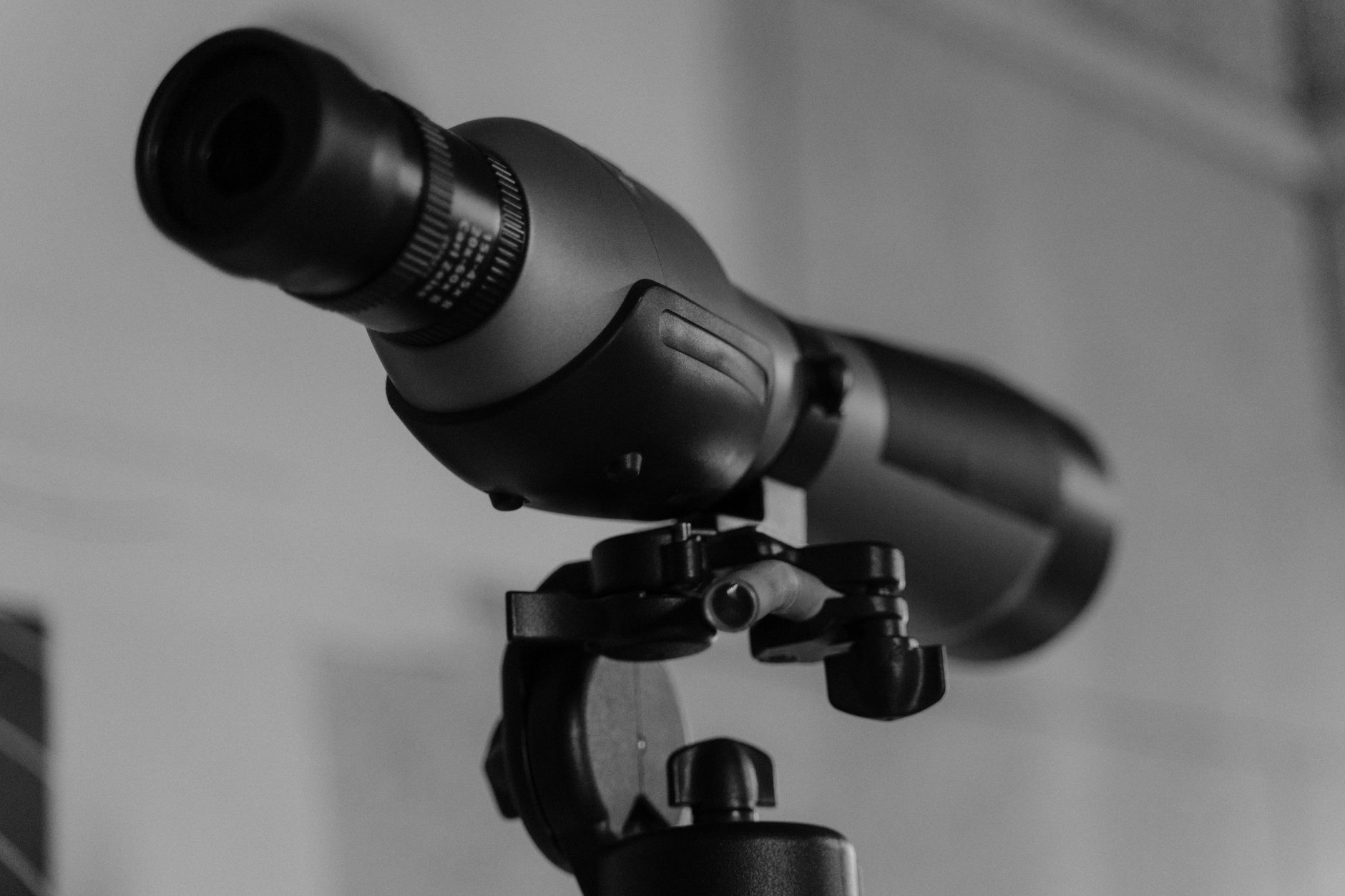
The Scottish Borders are perhaps the most exciting frontier right now. Galloway Forest Park, the UK’s first dark sky park, has been pulling visitors for years, but the towns around it, Moffat, Newton Stewart, Castle Douglas, are only now catching on to what they have on their doorstep. A few local businesses have started offering stargazing packages that bundle a room, a telescope hire, and a flask of soup for a cold night out. Simple, affordable, and genuinely brilliant. My take is that within five years this region will be as recognisable on the dark sky tourism map as Jasper in Canada is globally.
Who’s actually visiting, and what are they spending?
The demographic split is broader than you’d expect. Yes, there are the amateur astronomers with their carbon-fibre tripods and apps that would make your head spin. But the majority of the growth is coming from urban couples, families with teenagers who’ve never seen a proper night sky, and burnt-out professionals wanting something genuinely different from a spa weekend. VisitBritain reported in early 2026 that “nature-based night experiences” had seen a 34% increase in search interest year-on-year from UK domestic travellers. That’s not a niche anymore.
Spending patterns are interesting too. Visitors to dark sky areas tend to stay longer than average rural tourists, often two or three nights rather than a single overnight stop, because you need at least one clear night and weather is unpredictable. That extra night in a local B&B, the extra meals out, the guided experience booked on the day: it all adds up for communities that have historically struggled with seasonal income. Some of the smaller cottage rental operators in Pembrokeshire have told local press they’re seeing year-round bookings for the first time, because winter is often the best time for stargazing.
The kit, the apps, and the community angle
You don’t need an expensive telescope to enjoy dark sky tourism in the UK. Binoculars are actually better for beginners for sweeping across star clusters and nebulae. Apps like Stellarium (free, works offline once downloaded) or SkySafari do the heavy lifting of telling you what you’re looking at. Several National Park visitor centres now loan out red-light torches, which preserve your night vision in a way a regular phone torch absolutely destroys.
The community side of this is what really gets me. Local astronomy clubs have gone from being small, ageing groups meeting in village halls to organisations with real clout and genuine waiting lists. The Fife Dark Sky Network, for example, runs monthly events that pull in visitors from Edinburgh and Glasgow willing to make an hour’s drive for a properly guided session. Some of these clubs have started building simple websites and booking pages to handle demand. A few have worked with small local web studios, one group in Derbyshire even used WDM to get a proper online presence sorted, which shows how seriously these community organisations are now taking their digital footprint.
It’s a pattern similar to what we’ve seen with local community groups using digital tools to build informal economies in British market towns, where technology is helping people find each other and organise around shared interests in ways that just weren’t possible a decade ago.
What the cashless shift means for remote stargazing events
One thing I’ve noticed at dark sky events is the payment problem. You’re in the middle of a field in Galloway or on a moorland car park in Exmoor, and mobile signal is patchy at best. Some event organisers have moved entirely to pre-paid bookings online to avoid the chaos of card readers failing in the cold. Others have had to think carefully about accessibility, something that cashless event organisers across Britain are grappling with more broadly. A dark sky event where someone without a smartphone or a bank card simply can’t attend is a problem worth solving.
The best-run stargazing events I’ve come across handle this with a simple phone-in booking option and cash payment on the night, kept in a biscuit tin. Not glamorous, but it works and nobody gets left out.
Getting the most out of a dark sky trip
Timing is everything. A new moon period (when the moon is below the horizon or barely visible) gives you the darkest possible skies. The Met Office has a dedicated cloud cover forecast, and many astronomy clubs publish monthly “best night” guides. Dress far warmer than you think you need to: standing still in a field at 1am in January in the Borders is a genuinely brutal experience without proper layering. And give your eyes a full 20 minutes to adjust before you make any judgements about what you can see. The difference between a 5-minute and a 30-minute adaptation is genuinely jaw-dropping.
Dark sky tourism in the UK is one of those rare things where the reality exceeds the hype. Britain’s light pollution has dropped in rural areas as older sodium streetlights are replaced, the number of designated sites is growing, and local communities are finally monetising something they’ve had all along. A clear night, a dark field, and the Milky Way overhead. It costs almost nothing and it’s absolutely brilliant.
Frequently Asked Questions
Where are the best dark sky spots in the UK for beginners?
Northumberland’s Kielder Dark Sky Park is one of the most accessible for first-timers, with ranger-led events and good visitor facilities. Galloway Forest Park in Scotland and the Brecon Beacons in Wales are also excellent, offering large open skies well away from city light pollution.
When is the best time of year for stargazing in the UK?
Autumn and winter generally offer the clearest and longest nights, with October to February considered the prime window. New moon periods are the most important factor regardless of season, as the moon’s light can wash out fainter stars even in dark sky areas.
Do I need a telescope for dark sky tourism?
Not at all. A decent pair of binoculars (8×42 or 10×50) will reveal star clusters, the Andromeda galaxy, and the moons of Jupiter. Many guided events provide equipment and a free app like Stellarium handles the navigation side perfectly well.
How much does a dark sky break in the UK typically cost?
Accommodation near dark sky sites ranges from around £60 per night for a basic B&B to £200 or more for specialist glamping pods with observatory domes. Guided stargazing events run by local astronomy clubs are often £10 to £20 per person, and some National Park events are free.
How do I find out if there's a dark sky event near me?
The British Astronomical Association (britastro.org) lists local society events across the country. Many National Parks publish seasonal programmes on their own websites, and local astronomy clubs increasingly have their own booking pages for public nights.
Leave a Reply