

Something quietly brilliant is happening in British market towns and villages, and it does not involve any government initiative, council grant, or tech startup with venture capital behind it. Across Ludlow, Hebden Bridge, Faversham, Totnes, and dozens of other places you might never have heard of, WhatsApp and Signal groups have grown from neighbourhood notice boards into genuine hyper-local barter networks UK residents are using every single day. Surplus courgettes traded for a car boot full of logs. A plumber fixing a neighbour’s boiler in exchange for six months of dog walking. It is informal, it is largely invisible to the authorities, and it is working remarkably well.
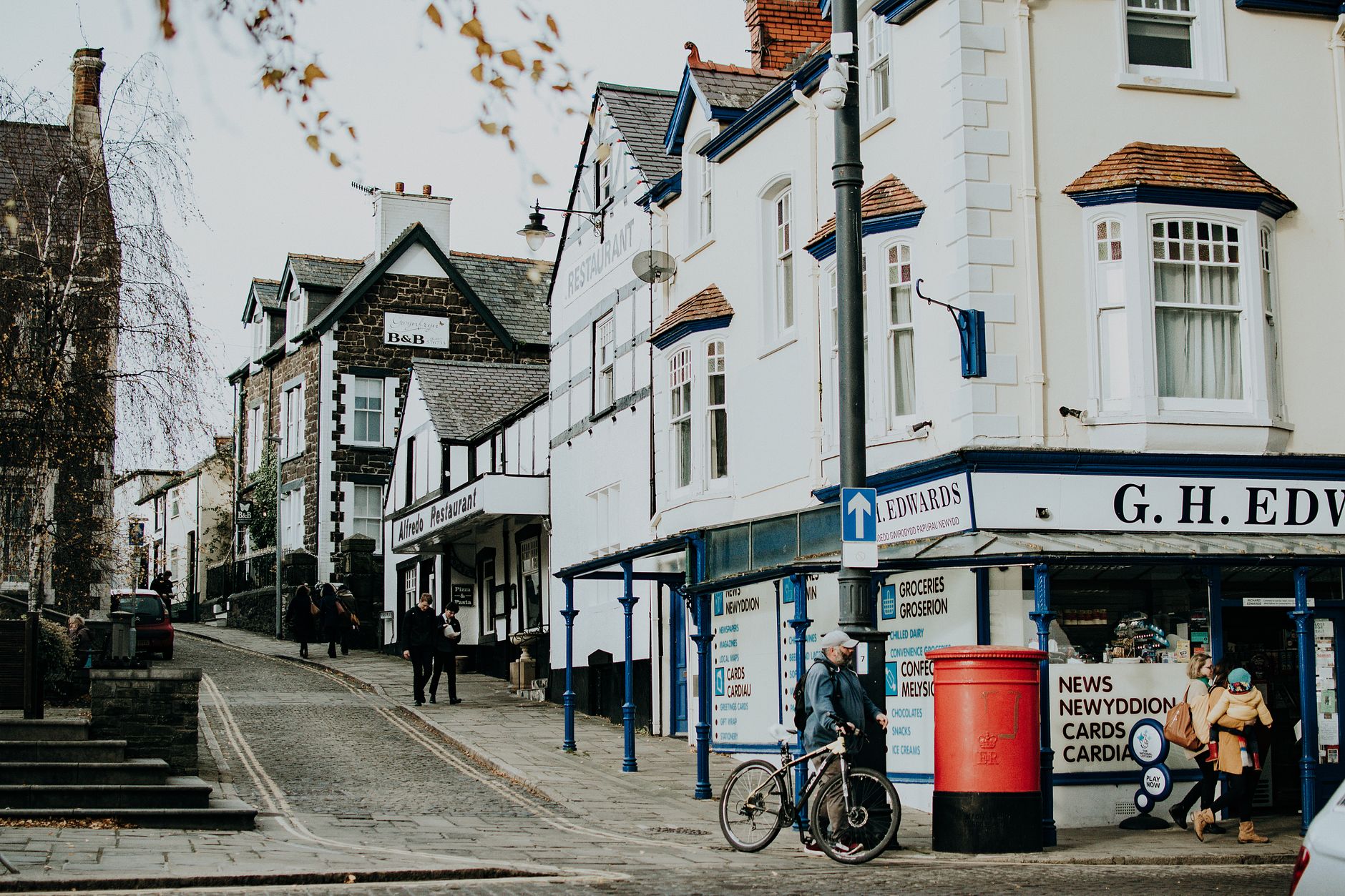
I stumbled onto this while visiting a friend in Hebden Bridge last spring. She mentioned, almost in passing, that she had not paid for eggs in over a year. Her neighbour keeps chickens; she grows soft fruit. A conversation on the local Signal group turned into a standing arrangement. When I asked her how many people were in that group, she said around 340. That is not a neighbourhood chat. That is a small economy.
How these WhatsApp barter groups actually work
The mechanics are less complicated than you might expect. Most of these groups started during the pandemic, when people were genuinely trying to help each other and cash felt either risky or beside the point. A few switched platforms to Signal when privacy concerns about WhatsApp began circulating in 2021. Others stayed on WhatsApp and simply got bigger.
The typical group has a few unwritten rules that members enforce themselves. No selling for profit is the big one. If you are offering something, it should be genuinely surplus or a skill you are happy to share. Someone offering five jars of homemade jam wants something of equivalent effort back, not a PayPal payment. The social pressure to play fair is considerable, because everyone knows everyone, or knows someone who does. That accountability is the engine that keeps the whole thing running honestly.
Totnes in Devon, already something of a testing ground for alternative economies thanks to its long association with the Transition Towns movement, has some of the most developed examples. One group there reportedly has a loose points system run entirely through shared Google Sheets, where contributions are logged and members can see at a glance who has been generous and who has been taking more than they give. No app, no blockchain, no fintech startup involved. Just a spreadsheet and social trust.

What are people actually swapping?
The range is wider than most people assume. Vegetables and homemade preserves are the obvious staples, particularly after allotment season hits its peak in late summer. But I have spoken to people in groups across the Cotswolds and the Welsh borders who regularly exchange things like: spare building materials left over from renovation projects, professional services including basic bookkeeping and graphic design work, childcare hours, music lessons, mechanical help with older cars, and even accommodation. One woman in Ludlow described a standing arrangement where she hosts a retired couple’s teenage grandchildren for a week each summer in exchange for carpentry work on her outbuildings.
There is also a flourishing trade in knowledge. Gardening advice, recipe sharing, recommendations for tradespeople who actually turn up on time. This overlaps neatly with what you might call the digital village notice board function, and it is worth noting that some of these groups have quietly become the most reliable source of local information in their communities. More reliable, several people told me, than the local council’s own communications. Speaking of which, this kind of informal peer-to-peer local economy is related to the trust and social infrastructure that also powers things like Britain’s booming third spaces, where people are rebuilding community ties outside formal institutions.
What do councils actually think of all this?
Here is where it gets interesting. Most local councils are either blissfully unaware these networks exist at the scale they do, or they are vaguely aware but unsure what, if anything, they should do about it. I reached out to a couple of parish councils in market towns with known active groups. The responses were polite but telling. One clerk said they thought of the groups as “a nice community initiative.” Another was not aware their town had one at all, despite 500-odd residents being on it.
HMRC’s position is technically clear, even if enforcement in this space is essentially zero. Barter transactions can in principle be taxable. If you provide a professional service and receive goods of equivalent value, HMRC could treat that as income. In practice, nobody is reporting their jar-of-jam trades, and no inspector is going to come after someone who swapped homemade chutney for a bag of compost. But the picture gets murkier when skilled tradespeople regularly exchange services worth hundreds of pounds. That sits in genuine legal grey territory, and it is the sort of thing that HMRC’s expanding AI compliance tools could theoretically flag if the patterns became more visible.
The more interesting council concern, where it exists, is around liability. If someone recommends a gas engineer in a local group and that engineer does substandard work, who is responsible? Nobody, legally. The group has no legal standing, no insurance, no complaints process. For now that seems to be accepted as the price of informality. Communities are, on the whole, applying their own quality control through reputation.
Could this grow into something more formal?
Some of these groups are bumping up against the ceiling of what WhatsApp can sensibly handle. At a few hundred members, group chats become chaotic. Posts get buried. People miss offers. A handful of communities have moved to slightly more structured tools: private Facebook groups with pinned categories, or simple websites built by local volunteers. A small business trying to get visibility in a similar hyper-local space might look at how platforms like WDM approach local digital presence, because the principle of being genuinely useful to a specific community rather than broadcasting at everyone is exactly what makes these groups work.
The Transition Network, which has documented alternative local economies for years, has noted that these WhatsApp-based networks represent a significant evolution compared to earlier LETS (Local Exchange Trading Systems) schemes, which required more formal administration and often faded out. WhatsApp groups are frictionless. You are already on your phone. The barrier to participating is essentially nothing.
There is also a growing overlap with the wider cashless economy questions that communities across Britain are grappling with. Barter networks sidestep cash entirely, which is partly their appeal and partly what makes them feel slightly transgressive and, I think, genuinely exciting. They represent people deciding, collectively and without anyone’s permission, that they can meet each other’s needs more directly than the market offers.
I do not think they will replace the high street. But they are filling gaps that the market and the council are both leaving open. That feels like something worth paying attention to, even if nobody has yet figured out how to tax it.



Leave a Reply