

Not long ago, wild swimming in the UK meant finding a quiet stretch of river, checking nobody was watching, and jumping in. No branded wetsuit. No booking system. No £150 retreats with a guided breathwork session beforehand. Just cold water, a towel, and the mild paranoia that a farmer might appear over the hedge. I’d argue that version still exists, but it’s getting harder to find, and significantly harder to enjoy without someone trying to monetise it nearby.
What’s happened to wild swimming over the past few years is a genuinely fascinating case study in how a niche British pastime becomes a wellness industry almost overnight. The interest was always there, bubbling quietly. Then a pandemic hit, outdoor spaces became the only spaces, and something clicked. By 2022 the Outdoor Swimming Society was reporting membership enquiries at record levels. By 2026, cold water therapy retreats in the Peak District and Brecon Beacons are charging north of £150 per session, and app-guided river route memberships are selling out before the summer even starts.
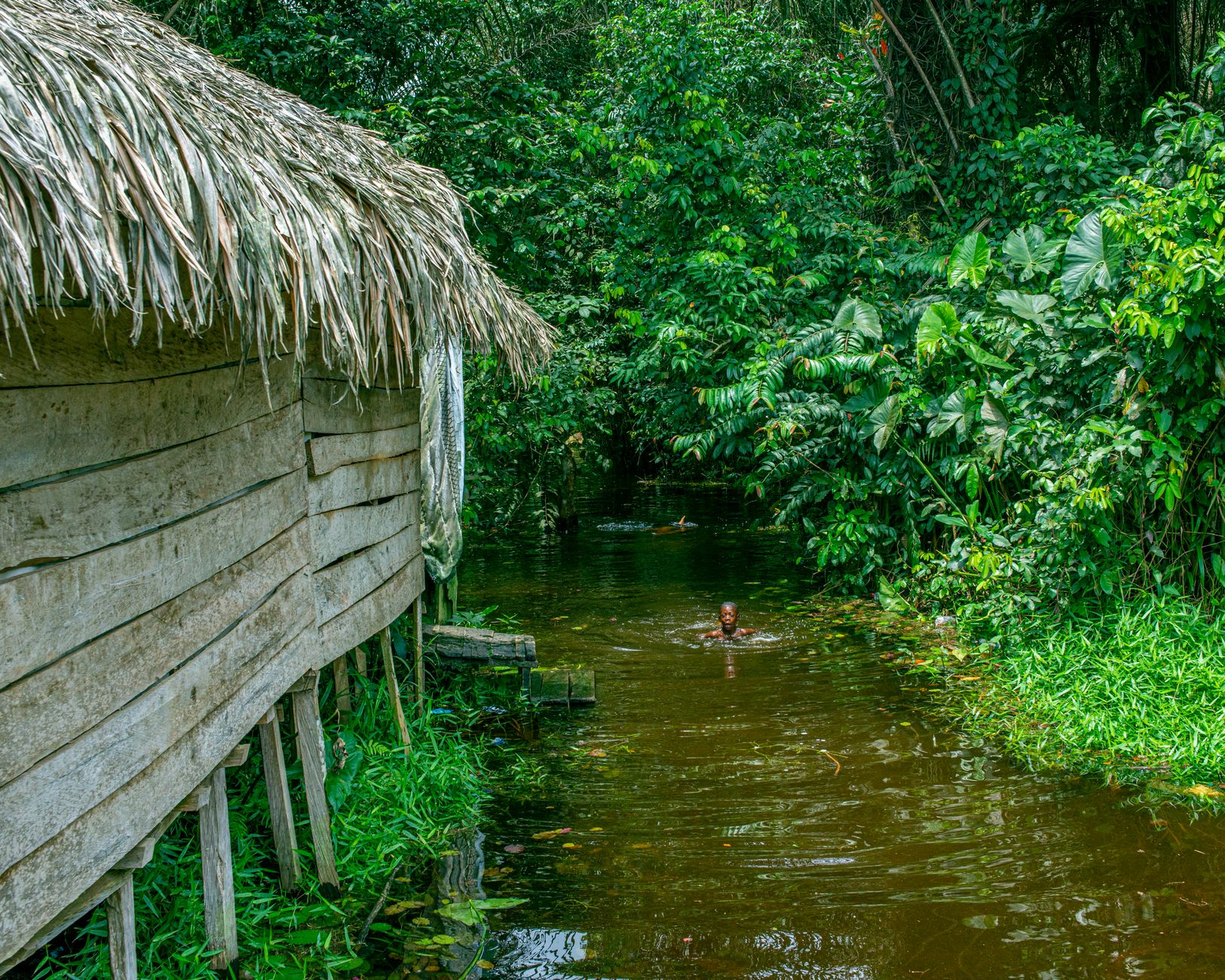
How wild swimming went mainstream so fast
The numbers are hard to ignore. The BBC reported in 2023 that over three million people in the UK now swim outdoors regularly, up from an estimated 1.5 million a decade earlier. Social media lit the fuse. Instagram reels of misty Scottish lochs and gleaming Cornish coves made outdoor swimming look like the most soulful thing a person could do on a Tuesday morning. Then the science caught up, studies on cold water immersion and its effects on mood, inflammation, and mental health started making proper headlines rather than just floating around wellness blogs.
The result is a sport (if you can call it that, devotees tend to bristle at the word) that now sits awkwardly across two worlds. On one side, you have people who’ve been quietly swimming in rivers since long before anyone called it “wild swimming”, who didn’t need an app to find the good spots and find the whole fuss mildly baffling. On the other, you have a rapidly growing commercial sector that spotted the demand and built a business around it, fast.
What the commercial wild swimming industry actually looks like
It ranges from the genuinely useful to the eye-wateringly expensive. At the more accessible end, apps like Wild Swim Map and Swimwild have made it straightforward to find safe, legal swimming spots with water quality ratings and access notes, a real improvement on the old method of relying on word of mouth and hoping for the best. The Environment Agency now publishes bathing water quality data for many outdoor spots, and those apps pull from it, which is genuinely helpful when you’re deciding whether to take the plunge at a spot downstream from a farm outflow.
Then it gets pricier. Cold water therapy has become its own cottage industry across the upland national parks. Retreat operators in the Peak District and Brecon Beacons now offer guided morning immersions with ice-bath follow-ups, cold exposure coaching, and optional sauna sessions, full day packages regularly topping £150 to £200 per person. Some of them are excellent, with trained coaches and genuine expertise in cold exposure protocols. Others, to be blunt, are charging spa prices to walk you to a river. The difference matters, though it’s not always obvious from a well-shot Instagram grid.
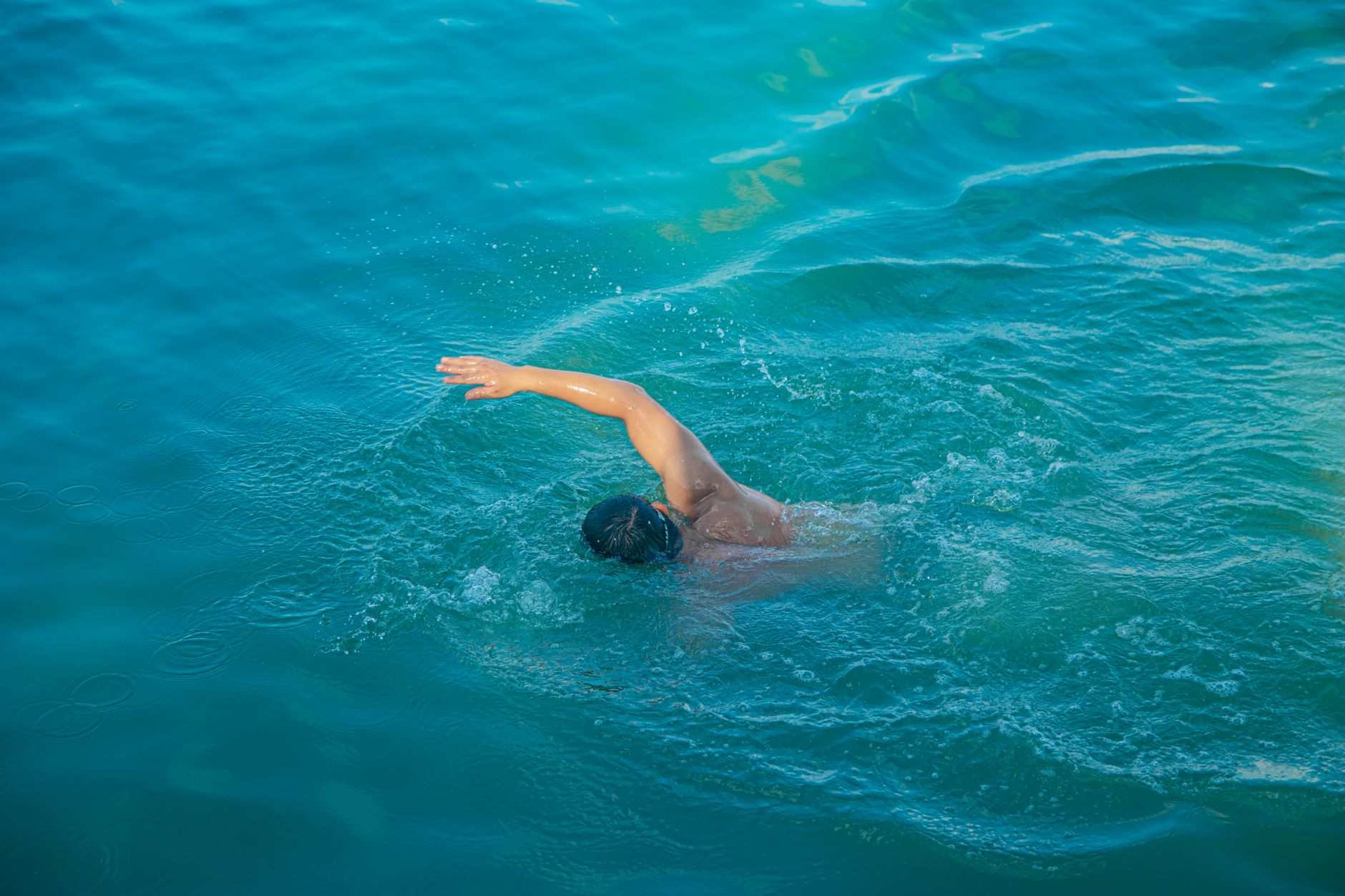
Gear has exploded too. What used to require a swimming costume and a flask of tea now apparently demands a neoprene wetsuit (around £80 to £250), a tow float, a changing robe (the puffy-anorak-meets-sleeping-bag contraptions that now line every car park at Windermere), and quite possibly a waterproof phone case with a subscription to a guided audio experience. The changing robe alone has become a surprisingly reliable indicator of the gentrification of a swimming spot. I’ve started using them as an informal metric: more than ten per car park, the queues at the nearby café have probably doubled in three years.
The access and overcrowding problem
Britain’s outdoor access laws are complex and frankly a bit of a mess. In England, there’s no automatic right to swim in rivers and lakes the way there is in Scotland (where the Land Reform (Scotland) Act 2003 gives remarkable freedoms). In England and Wales, landowners own the riverbed, which makes access to many gorgeous swimming spots technically contested territory. This was always the case, but when a spot was niche and word-of-mouth only, landowners tended to look the other way. Scale it up, put it on an app, and suddenly a farmer is dealing with fifty strangers parking on a verge every Saturday morning.
Dartmoor made international news in 2023 when wild camping rights were briefly threatened by a legal challenge, wild swimming access rights face the same underlying tension. The popularity boom has exposed just how fragile informal access arrangements are. Several spots that were beloved local secrets three years ago now have handwritten “NO SWIMMING” signs and locked gates, the result of too many visitors leaving rubbish, lighting fires, or just outnumbering a landowner’s patience.
This is part of a broader pattern worth noticing. The same commercial energy that’s transformed other quirky British pastimes into scalable businesses (think of the dark sky tourism boom I covered in the best stargazing spots in Britain) brings genuine benefits, better information, greater safety, more people enjoying nature, alongside real costs in terms of overcrowding and the loss of what made the thing appealing in the first place.
Who’s actually going wild swimming in 2026
The demographics have shifted visibly. Early adopters were typically seasoned outdoor types, long-distance open water swimmers, and a contingent of slightly stubborn older women who’d been doing it for decades and found the sudden attention both flattering and exhausting. Now the participant base is broader and younger. The wellness angle, cold water immersion for anxiety, the dopamine hit, the “nature prescription” narrative that the NHS has quietly been encouraging through social prescribing programmes, has pulled in people who would never have described themselves as “outdoor swimmers” five years ago.
That’s largely good. More people spending time in natural water, connecting with rivers and lakes, is probably net positive for conservation awareness too. But it does mean that venues and operators are under real pressure. Some retreat centres I’ve read about handle the demand well, with small group sizes and careful site management. Others are maxing out capacity and cutting corners. One retreat near Bakewell in the Peak District reportedly had its local planning authority raising questions about commercial activity in a designated area last year, a tension that’s going to become more common as operators test what they can get away with.
The venues and operators doing it properly
It’d be unfair to paint the whole commercial sector cynically. Some of the best wild swimming operators have put real thought into sustainability, low group sizes, and genuine coach qualifications. The Outdoor Swimming Society maintains a code of practice that responsible operators follow. Several retreats work directly with landowners and conservation bodies to actively improve habitat around swimming sites, clearing invasive species, monitoring water quality, managing visitor numbers.
There’s a parallel to draw here with the way commercial pressures have transformed other communal British spaces. The article I wrote on offline clubs and phone-free socialising touched on this: sometimes the act of commercialising something that was pleasantly informal and free changes its fundamental nature, even when the commercial version is technically better-run. A £150 guided river session is probably safer and better for a nervous beginner than an unsupported first dip. But it’s also no longer the same thing the early adopters loved, in ways that are hard to quantify but easy to feel.
Away from the retreat end of things, some genuinely community-driven projects have done well. Lido restoration projects across the UK have brought back outdoor pools with a wild-adjacent feel without the access controversy of rivers. The Pells Pool in Lewes, Hathersage Swimming Pool in Derbyshire, these community-owned spots are thriving. Even towns that have lost high street institutions have occasionally gained a lido campaign in return, communities deciding together what kind of shared space they actually want.
Wild swimming in the UK is not going back in the bottle. The commercial infrastructure is too established, the audience too large, the retreat industry too profitable. But the best version of this trend is one where operators take the access question seriously, where app developers work with landowners rather than just pointing people at spots, and where the sport’s older, quieter community of practitioners isn’t entirely drowned out by the sponsored-post noise. The water’s cold enough to cut through the nonsense, if you let it.
Frequently Asked Questions
Is wild swimming legal in the UK?
In Scotland, the Land Reform (Scotland) Act 2003 gives broad rights to swim in most inland waters. In England and Wales, it’s more complicated, landowners own the riverbed, so access to many spots is technically at their discretion. Some rivers have established public rights; many popular spots exist on informal toleration. Always check local signage and access notes before swimming.
How much does a wild swimming retreat in the UK cost?
Prices vary widely. Basic guided group swims can start from around £20 to £40 per session. Cold water therapy retreats in locations like the Peak District or Brecon Beacons typically charge £80 to £200 per person for half or full-day experiences, which often include guided immersion, breathwork coaching, and sauna access. Weekend residential retreats can run to £400 or more.
Is cold water swimming actually good for your health?
Research suggests regular cold water immersion can reduce inflammation, improve mood, and may help with symptoms of anxiety and depression. A 2023 study published in the British Journal of Sports Medicine found evidence of improved mental wellbeing among regular outdoor swimmers. That said, cold water carries real risks, hypothermia, cold water shock, and cardiac stress, particularly for first-timers and those with underlying health conditions. Gradual acclimatisation and never swimming alone are standard advice.




Leave a Reply