

There’s a burger joint on Deliveroo with a four-star rating, forty-something reviews, and a name that sounds like it belongs in a trendy city-centre food hall. The address, if you squint at the small print, is a terraced house in Dudley. I’ve been watching this trend bubble under the surface for a good while now, and honestly, it’s got to the point where residential dark kitchens are no longer a quirky footnote, they’re a genuine phenomenon reshaping how Britain eats, earns, and bends the rules.
What exactly are residential dark kitchens?
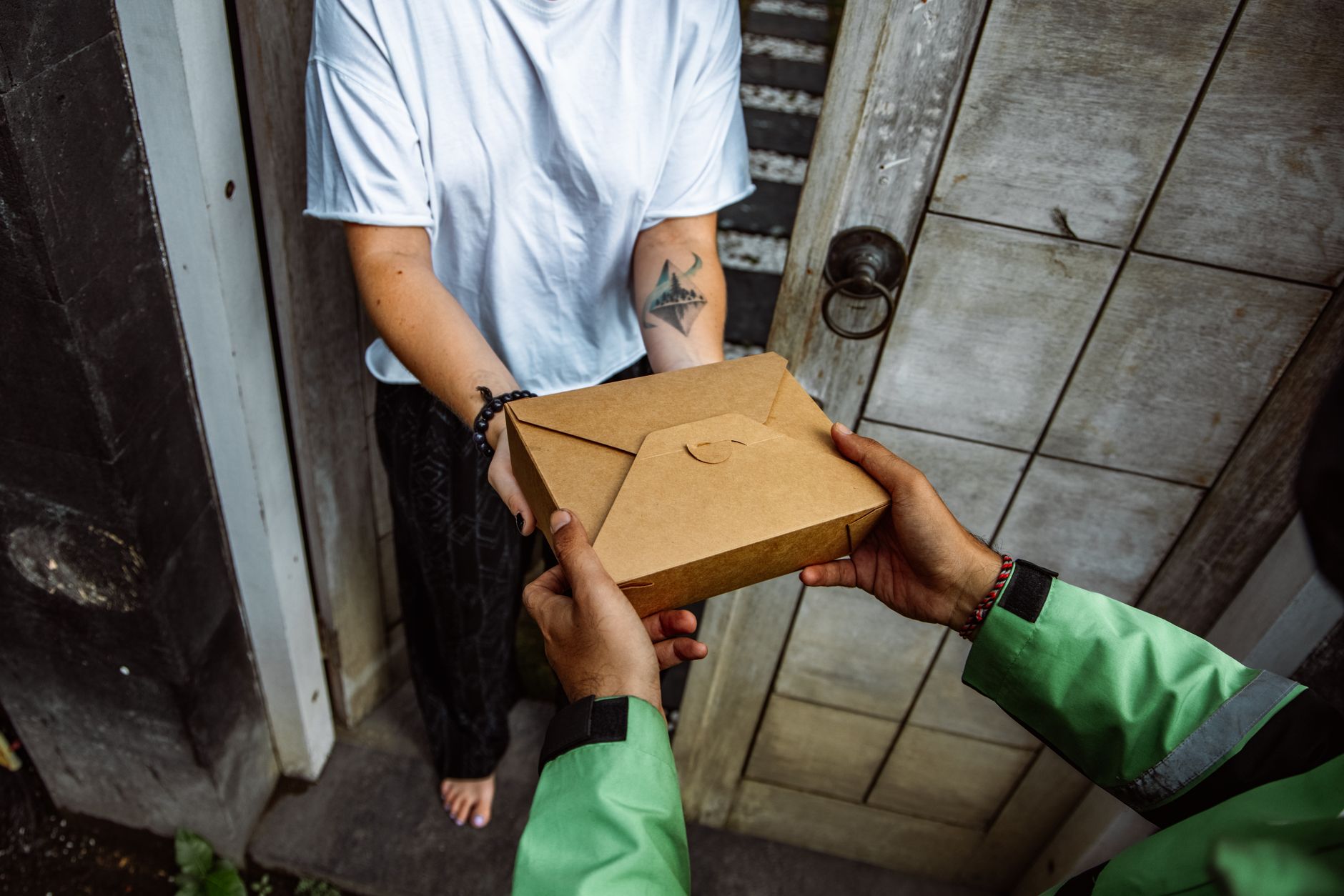
The term “dark kitchen” started life describing large warehouse spaces carved up into individual commercial cooking units, where delivery-only food brands operate without any dining room or walk-in customers. Think of them as factories for your Friday night takeaway. But a newer, scrappier version has taken root. Residential dark kitchens are home cooks, side-hustlers, and former hospitality workers running delivery-only food operations from domestic kitchens, converted garages, garden rooms, and rented outbuildings, listing themselves on Just Eat, Uber Eats, and Deliveroo under invented brand names, often with no visible connection to a home address.
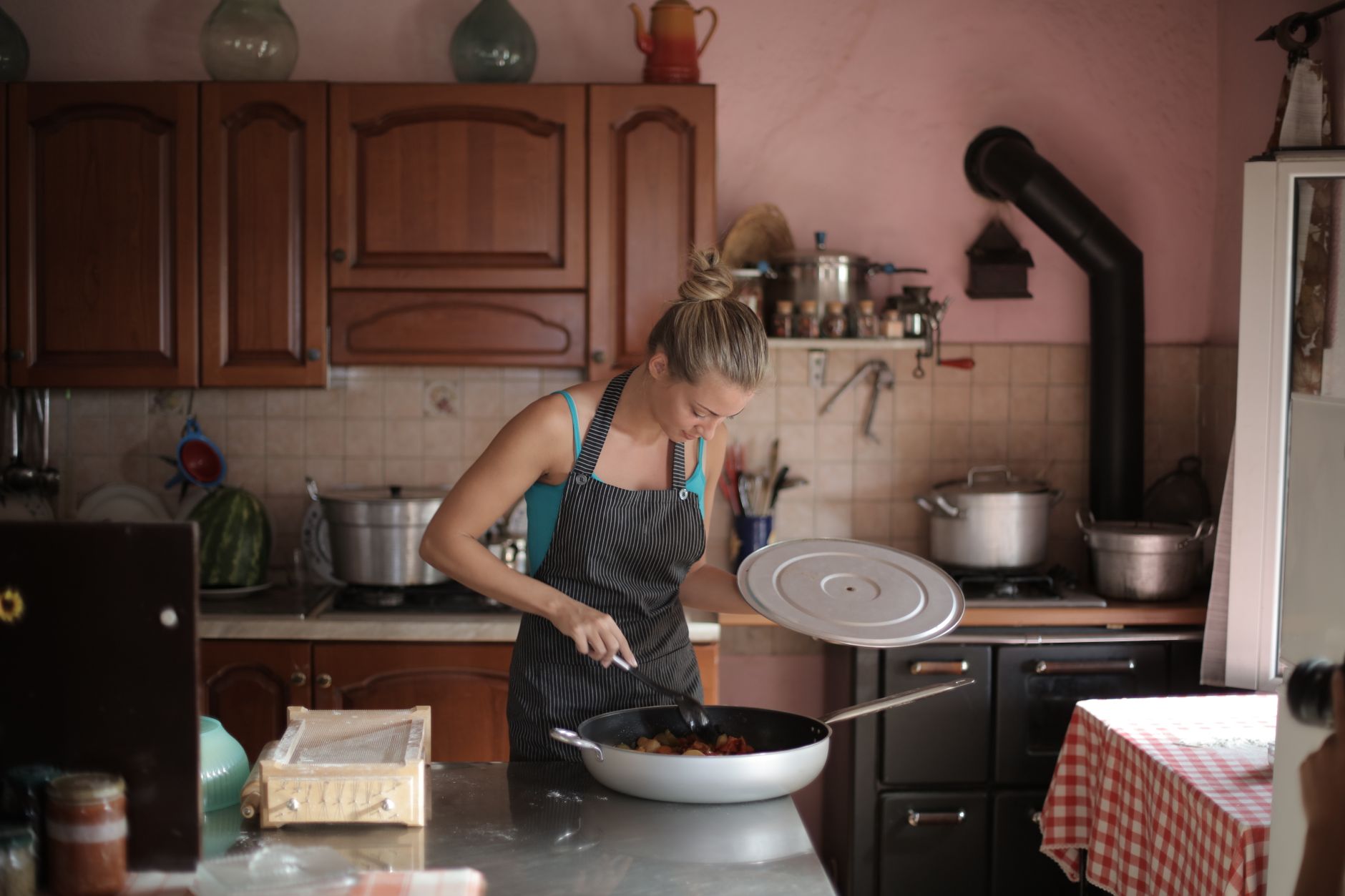
The economics make obvious sense. You’ve already got the kitchen. You’ve already got the time. The platforms make it remarkably straightforward to list a new “restaurant”. If you can cook a decent chicken burger, there’s theoretically nothing stopping you from pulling in a few hundred pounds on a Friday evening. This kind of informal micro-economy has echoes of the WhatsApp-based trade networks running in British market towns, where locals have quietly built parallel economies just below the official radar.
The garage problem nobody is talking about loudly enough
A fair number of these operations aren’t even in the house itself. Garages have become surprisingly popular, partly because they’re separate from the main living space, they’ve often got extra power sockets, and there’s loading access. Before anyone gets too excited about converting their double garage into a ghost restaurant though, there are some serious structural considerations. Older UK garages, particularly those built in the 1970s and 1980s, frequently have corrugated roofing that can contain asbestos cement. Anyone planning to drill, cut, or renovate in these spaces should get a proper survey done first; Asbestos Compliance Solutions has useful guidance on what UK homeowners actually need to know about this. It’s the kind of thing that gets overlooked entirely when someone’s excited about their new side hustle.
Are these operations actually legal?
This is where it gets genuinely complicated, and I’d say the honest answer is: sometimes yes, sometimes absolutely not, and often nobody’s checking either way.
Under UK law, anyone selling food commercially needs to register with their local council at least 28 days before starting, this applies even from a domestic kitchen. The Food Standards Agency sets out the requirement clearly on its website. Registration is free, but it triggers a hygiene inspection, which means your kitchen has to meet commercial food safety standards: proper temperature controls, allergen labelling, documented cleaning schedules, and so on. Many residential operators simply… don’t bother. They list on a platform, start taking orders, and hope for the best.
Planning permission is a separate headache. Using a residential property for commercial food production can constitute a change of use, particularly if it involves regular deliveries, significant cooking smells, or customer collections. Councils have the power to issue enforcement notices, though in practice most only act after a complaint from neighbours.
The platforms’ role in all of this
Deliveroo, Just Eat, and Uber Eats all technically require food businesses listing on their platforms to hold valid food hygiene registration. Whether they rigorously verify this before a new partner goes live is another matter. In 2023 and 2024, several investigations by local councils across the UK found ghost restaurant listings on major platforms where the operators couldn’t produce valid registration documents. The platforms pointed to their terms of service; the councils pointed back at the platforms. Meanwhile, the orders kept coming in.
It’s a pattern that reminds me of how Britain’s informal economy keeps finding ways to operate in the gaps between formal structures, not always maliciously, often just practically. The gig economy created a culture of self-employment and rapid setup, and residential dark kitchens are a direct product of that.
Who’s actually running them?
My guess, and I’ve read enough local news and Reddit threads to feel reasonably confident about this, is that the typical operator is not some shadowy crime figure. It’s more often a former chef who was made redundant during the hospitality crunch of the early 2020s, a mum in her forties who’s always been told she should open a restaurant, or a 23-year-old who spotted a gap for Korean fried chicken in their postcode. The motivations are human and understandable. The risks they’re taking on, knowingly or not, are rather less cute.
Allergen mislabelling, cross-contamination, inadequate refrigeration, these are the things that make food safety inspectors lose sleep, and domestic kitchens simply weren’t designed with commercial throughput in mind. A kitchen handling fifty orders on a Saturday evening operates under completely different stresses than one making dinner for a family of four.
What councils and the FSA are doing about it
Enforcement is patchy. Some councils, particularly in London and the larger metropolitan areas, have dedicated food safety teams that actively search delivery platforms for unregistered operators. Birmingham, Leeds, and Manchester councils have all run specific operations in recent years targeting ghost restaurants. Others, especially in more rural or underfunded authorities, simply don’t have the resource to do much beyond responding to direct complaints.
The FSA announced plans in 2025 to work more closely with the major delivery platforms to cross-reference their partner lists against local council food business registers, essentially letting the platform data do the detective work. Whether that translates into actual action at scale remains to be seen. The FSA’s own figures show that around 16% of registered food businesses in England, Wales, and Northern Ireland received a rating of 2 or below in their most recent hygiene inspection, and that’s among the ones that actually registered.
The subscription economy parallel
There’s a broader pattern here about how digital platforms make it trivially easy to start something that looks legitimate on a screen while the messy real-world compliance bits get quietly ignored. I wrote about something adjacent when looking at how Brits are accumulating subscription costs without fully realising it, the ease of signing up is always the point, and the small print is always someone else’s problem.
Residential dark kitchens exist because the friction to start has collapsed. Register on a platform, take a photo of your food, write a catchy name, go live. The friction that used to exist, rent, planning, licences, inspections, hasn’t disappeared, it’s just been deferred. Sooner or later, usually via a council visit or a very bad review mentioning food poisoning, it catches up.
Should you be worried about ordering from one?
Honestly, probably not panicking-worried, but eyes-open-worried is reasonable. Checking the Food Standards Agency’s food hygiene rating search before ordering from an unfamiliar listing takes about twenty seconds and is genuinely useful. A rating of 3 or above suggests at least some official contact has happened. No rating at all, which does appear for some listings, is a flag worth noting. Beyond that, common sense applies: if the photos look like stock images and the menu is suspiciously broad, someone is perhaps doing a lot with a domestic four-ring hob.
Britain’s residential streets are quietly turning into something new, part neighbourhood, part industrial estate, part food court. Whether that’s exciting or alarming probably depends on whether you’re the one taking the orders or the one sitting next door to the extractor fan running until midnight on a Friday.
Frequently Asked Questions
Do you need a licence to run a dark kitchen from home in the UK?
You don’t need a specific licence, but you do need to register as a food business with your local council at least 28 days before you start trading. This is free, but it will result in a food hygiene inspection to ensure your kitchen meets commercial food safety standards.
Are residential dark kitchens legal in the UK?
They can be, provided the operator has registered with their local council, passed a food hygiene inspection, and complies with planning rules around commercial use of a residential property. Many residential dark kitchens operate without meeting one or more of these requirements, which makes them technically unlawful.
How can I check if a delivery restaurant is operating from a real commercial kitchen?
You can search the Food Standards Agency’s hygiene rating database at ratings.food.gov.uk using the business name or postcode. A legitimate registered food business should appear there with a hygiene rating. An absent rating or a residential postcode is worth treating cautiously.



Leave a Reply