The internet is enormous. Incomprehensibly, almost rudely enormous. And yet, somehow, most of us spend about 90% of our online time bouncing between the same five or six platforms. Which is a shame, because out there in the vast digital wilderness, there are websites doing things so odd, so clever, or so genuinely beautiful that they deserve way more attention than they get. So let’s fix that, shall we?
Whether you’re after something to kill twenty minutes on your lunch break, a tool that’ll genuinely make your life easier, or just proof that humans are wonderfully strange creatures, this little tour has got you covered.
Why Do Certain Websites Just Click With People?
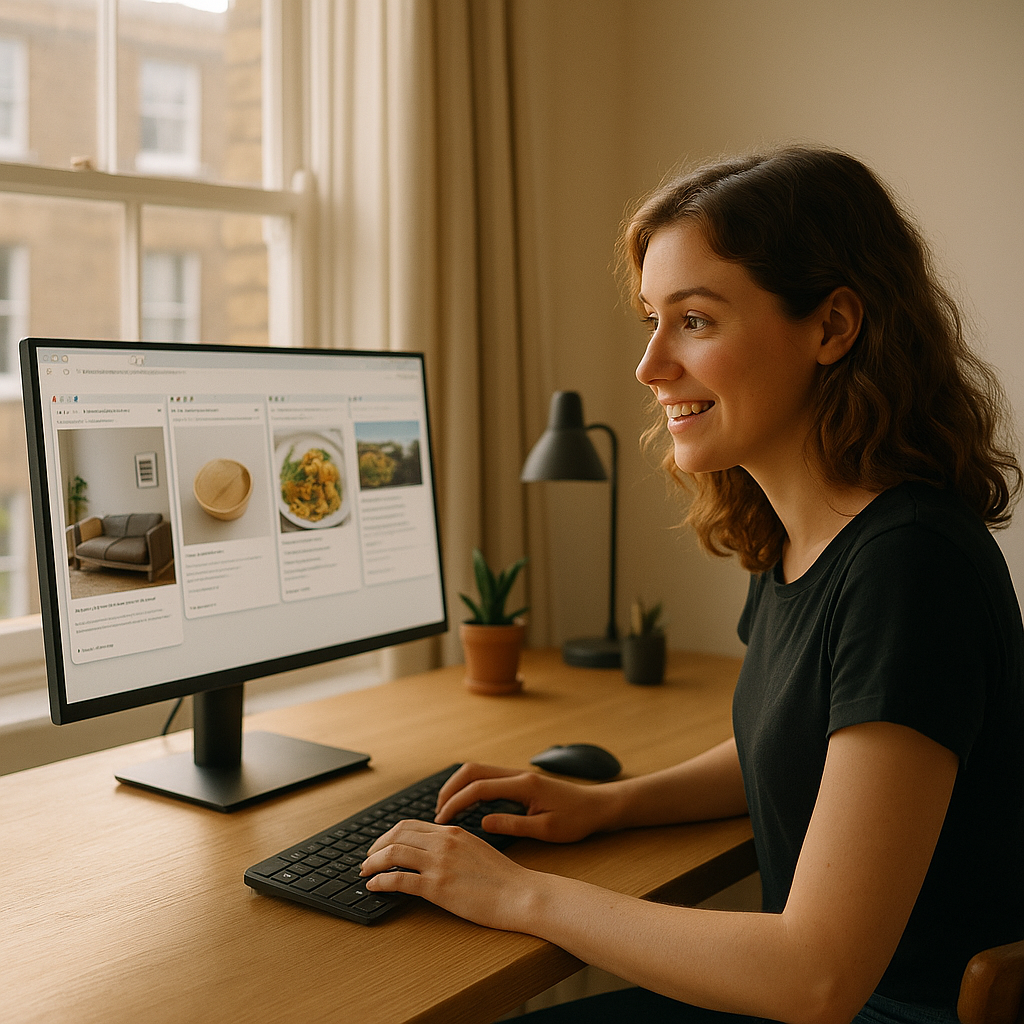
There’s a reason some websites go properly viral while others, despite being technically brilliant, sit quietly gathering digital dust. It usually comes down to one thing: immediacy. The best websites do something in the first five seconds that makes you go “oh, brilliant” or “wait, what?” They don’t make you read instructions. They don’t ask you to create an account before you’ve seen a single feature. They just… work. And they’re fun to use.
Think about BBC Sounds, for instance. It’s a genuinely well-crafted listening experience that respects your time and delivers exactly what’s promised. That kind of clean, purposeful design is rarer than it should be. Most websites could learn something from it.
The Strangest Corners of the Web Worth Visiting
Right, let’s get into the good stuff. These are the kinds of websites that remind you the internet can still surprise you.
The Infinite Scroll That Actually Gives Back
There’s a growing cluster of websites built around what’s being called “productive procrastination”, places where you genuinely learn something while feeling like you’re messing about. Explordle and similar geography-guessing games have exploded in popularity across the UK, building on the Wordle craze that swept through office group chats a couple of years back. These websites are simple, shareable, and oddly satisfying. The formula is working because people want to feel clever, not just entertained.
AI Playgrounds That Are Actually Accessible
2026 has brought a wave of websites that put genuinely impressive AI tools directly in your browser without requiring a subscription, a download, or a PhD. Image generators, music composers, text-to-speech tools with eerily realistic voices, they’re all sitting in your browser tab, free to poke at. The catch, of course, is that the best features are usually behind a paywall. But the free tiers are often more than enough to keep you entertained for a good chunk of an afternoon.
What’s interesting is how many of these AI-powered websites are being built by small UK-based teams. British developers have been quietly punching above their weight in this space, building lean, focused tools rather than trying to compete with the tech giants on sheer scale.
Websites That Are Basically Works of Art
Not every website needs to do something useful. Some exist purely to be experienced, and they’re glorious for it.
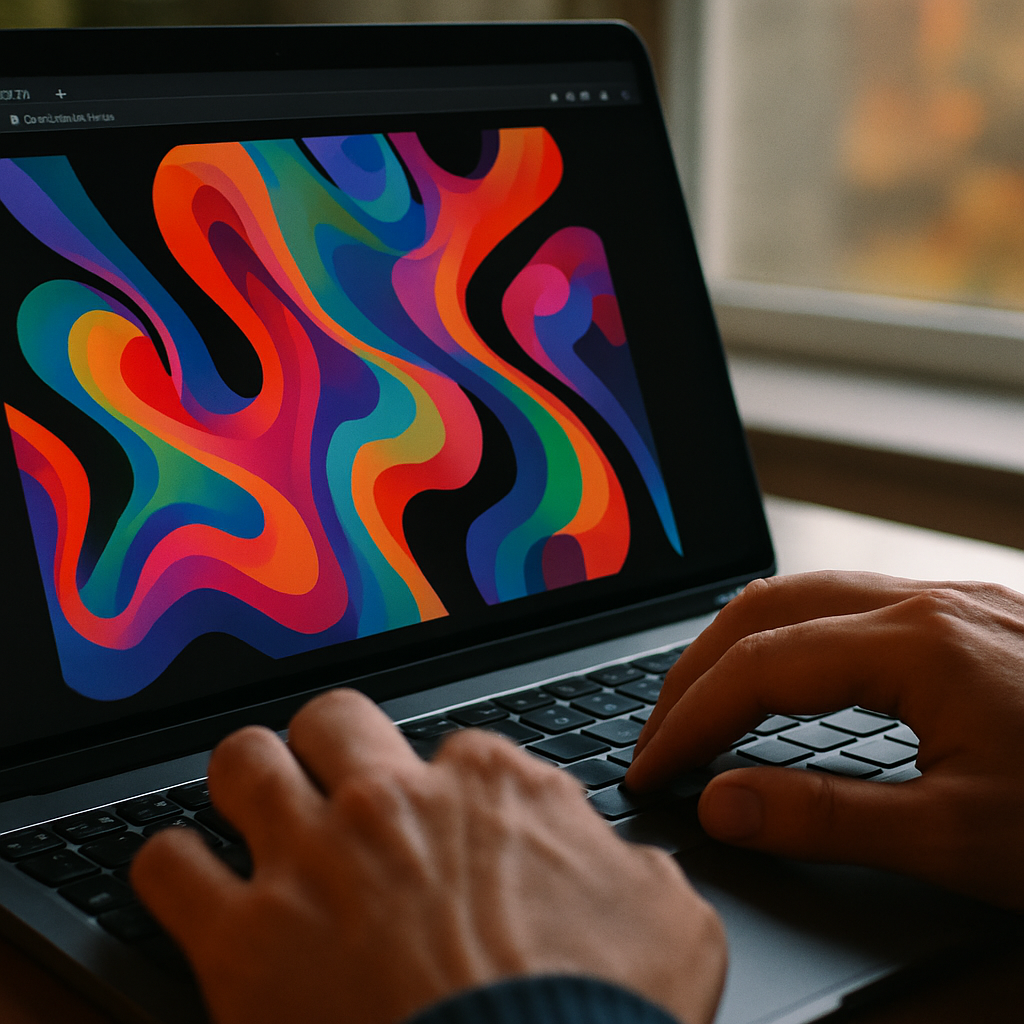
Generative art websites, where the page creates something unique every time you visit or click, have had a massive resurgence. The kind of thing where you refresh and get a new abstract landscape, or where your mouse movements become part of an evolving canvas. They sound gimmicky until you actually sit with one for a few minutes and realise you’ve been watching it for twenty.
On the more polished end, digital studios (many of them London-based agencies, as it happens) have been producing what’s known as “digital experience” websites for their own portfolios. These are websites that use scroll animations, 3D rendering, and spatial audio in ways that feel more like interactive films than conventional web pages. They’re technically astonishing and, yes, completely impractical for anything other than looking absolutely mint.
What Trending Websites Tell Us About Where We’re Heading
The websites that are gaining traction in 2026 share a few interesting traits. They tend to be fast. Like, genuinely fast, loading in under a second on a decent mobile connection. Google’s Core Web Vitals have pushed developers to prioritise speed, and users have responded by being brutally unforgiving of anything that lags. If a website doesn’t load quickly, people are gone. Simple as that.
They’re also increasingly personal. Not in the creepy, targeted-advertising sense, but in the sense that the best websites feel like they were made by a real human with a specific point of view. The era of the faceless corporate website is quietly dying. People want to know who’s behind the thing they’re using. Personality, it turns out, is a feature.
And they work brilliantly on mobile. About 60% of UK web traffic now comes from mobile devices, according to figures tracked by Ofcom, and websites that treat mobile as an afterthought are losing out enormously. The sites that are winning are designed for a thumb first, a mouse second.
Five Genuinely Useful Websites You Might Have Missed
Alongside the weird and wonderful, there are websites quietly doing incredibly practical things that most people don’t know exist. A few worth bookmarking:
- Photopea, a browser-based photo editor that handles Photoshop files without you needing to install anything. Free, fast, and genuinely impressive.
- Gov.uk, yes, really. The redesigned government services portal is actually one of the best-designed public sector websites anywhere in the world. It wins awards for good reason.
- Squoosh, a Google-built tool for compressing images without destroying quality. Sounds dull. Saves you an enormous amount of time.
- Radio Garden, spin a globe and listen to live radio from anywhere on Earth. Oddly moving. Completely free.
- Wakelet, a content-curation tool built in Manchester that teachers and journalists have quietly adopted for organising research and resources.
The Small Websites Are Making a Comeback
Here’s the trend that genuinely excites me most. After years of the internet consolidating around a handful of mega-platforms, there’s a real, measurable movement back towards the personal web. People are building small, quirky, independent websites again. Digital gardens. Personal blogs. Niche newsletters with their own dedicated sites. The aesthetic is sometimes deliberately retro, sometimes ultra-minimal, but the spirit is the same: one person or a small group, making something they care about, and putting it on the internet.
It feels a bit like the early days of the web, when visiting a new website genuinely felt like an adventure. You didn’t know what you’d find. That sense of discovery is coming back, and honestly, it’s brilliant. The web is at its best when it’s weird and human and full of surprises.
So next time you find yourself doomscrolling through the same old feeds, try typing a random idea into a search bar and seeing where the internet takes you. There are thousands of websites out there waiting to delight, surprise, or completely baffle you. And that, really, is the whole point.
Frequently Asked Questions
What are the most popular websites in the UK right now?
According to web traffic data tracked in 2026, Google, YouTube, Facebook, Amazon, and BBC remain the UK’s most visited websites. However, a growing number of niche and independent websites are gaining significant audiences in specific communities.
How do I find interesting or unusual websites to explore?
Sites like Product Hunt, Hacker News, and curated directories such as Brutalist Websites showcase new and unconventional web projects regularly. Reddit communities like r/InternetIsBeautiful are also brilliant for discovering hidden gems across the web.
Are free websites safe to use without signing up?
Generally yes, though it’s worth checking a site’s privacy policy before entering any personal information. Look for HTTPS in the address bar and be cautious of websites that ask for payment details or excessive permissions before you’ve even seen the product.
Why do some websites load so much faster than others?
Speed depends on factors like hosting quality, image optimisation, code efficiency, and the use of content delivery networks. Google’s Core Web Vitals framework measures these factors, and websites that score well tend to rank higher in search results as well as feeling snappier to use.
Can I build my own website without any coding knowledge?
Absolutely. Platforms like Squarespace, Wix, and WordPress.com let you build professional-looking websites with no code required. For something more personal or experimental, tools like Notion or Carrd offer a quick starting point with minimal fuss.