There’s something quietly unsettling about typing a beloved brand name into your browser, landing on a slick website, and ordering what you think is a familiar product, only to realise the thing that arrives bears almost no relation to what you remember. Welcome to the ghost brand economy, one of the stranger corners of ghost brands UK online retail, where famous names live on as digital shells long after the actual business behind them has collapsed, been bought for parts, and been pointed at a fulfilment warehouse somewhere.
I’ve been fascinated by this for a while. You’ll have noticed it yourself, probably without realising. A brand you’d have sworn went bust five years ago suddenly has a crisp new website. The logo looks almost right. The product descriptions hit all the nostalgic notes. But dig into the small print and the address is a PO box, the “about us” page is suspiciously thin, and the manufacturing origin is very far from where it used to be.
What actually is a ghost brand?
A ghost brand is a name, logo, and associated goodwill that has been stripped from a failed or dormant company and relaunched, usually online, with a fraction of the original operation behind it. The IP (intellectual property) gets sold separately from the physical shops, the staff, the factories, and in many cases the actual recipe or product specification. Someone buys the name at auction or through administration proceedings, builds a website, finds a contract manufacturer, and starts selling to people whose memories do the marketing for them.
It happens more than you’d think. When BHS collapsed in 2016 with the loss of over 11,000 jobs, the brand name itself was eventually acquired and relaunched online. Woolworths, which closed its 807 UK shops in January 2009, had its web address snapped up almost immediately, an entirely separate company now trades under that name. Tie Rack, Maplins, Internacionale, ghost brands UK online retail is littered with these resurrection stories. Some are transparent about their new identity. Many are not.
Food brands are where it gets really strange
Clothes and homewares are one thing. Food is where the ghost brand phenomenon starts to feel a bit odd. A biscuit or a sauce carries a very specific taste memory for most people. When a brand gets hollowed out and its recipe handed to a contract manufacturer in a different factory, you might be buying a product that shares a name and a packet design with something you’ve loved since childhood, but not much else.
Peek Freans is a good example. Once one of the most famous biscuit makers in Britain, with a history stretching back to Victorian London, the brand has changed hands multiple times and is now produced in circumstances very different from its origins. Robertsons, of golliwog-jam-jar fame (and infamy), has similarly passed through several corporate structures. I’d argue most shoppers picking up a jar with a familiar label have absolutely no idea that the product inside may have been made by an entirely different company in an entirely different facility. The name does all the work.
Why the high street collapse made this so much worse
The accelerated decline of UK high streets over the past decade handed ghost brand operators an enormous opportunity. When a physical retailer fails, it typically leaves behind something genuinely valuable: a name that people trust and search for. As the BBC’s business desk has covered at length, administrations have become almost routine for mid-market retailers, and each one generates a fresh crop of brand names ready to be stripped out and repurposed.
The irony is that the same shoppers who once walked into a physical branch are now the target market for the ghost version. Their search behaviour does the heavy lifting. They type in a name, find the website, and buy, without stopping to wonder whether the entity behind the checkout is anything like what they remember. This is precisely why ghost brands UK online retail is such a profitable space. You inherit decades of brand recognition and pay nothing towards building it.
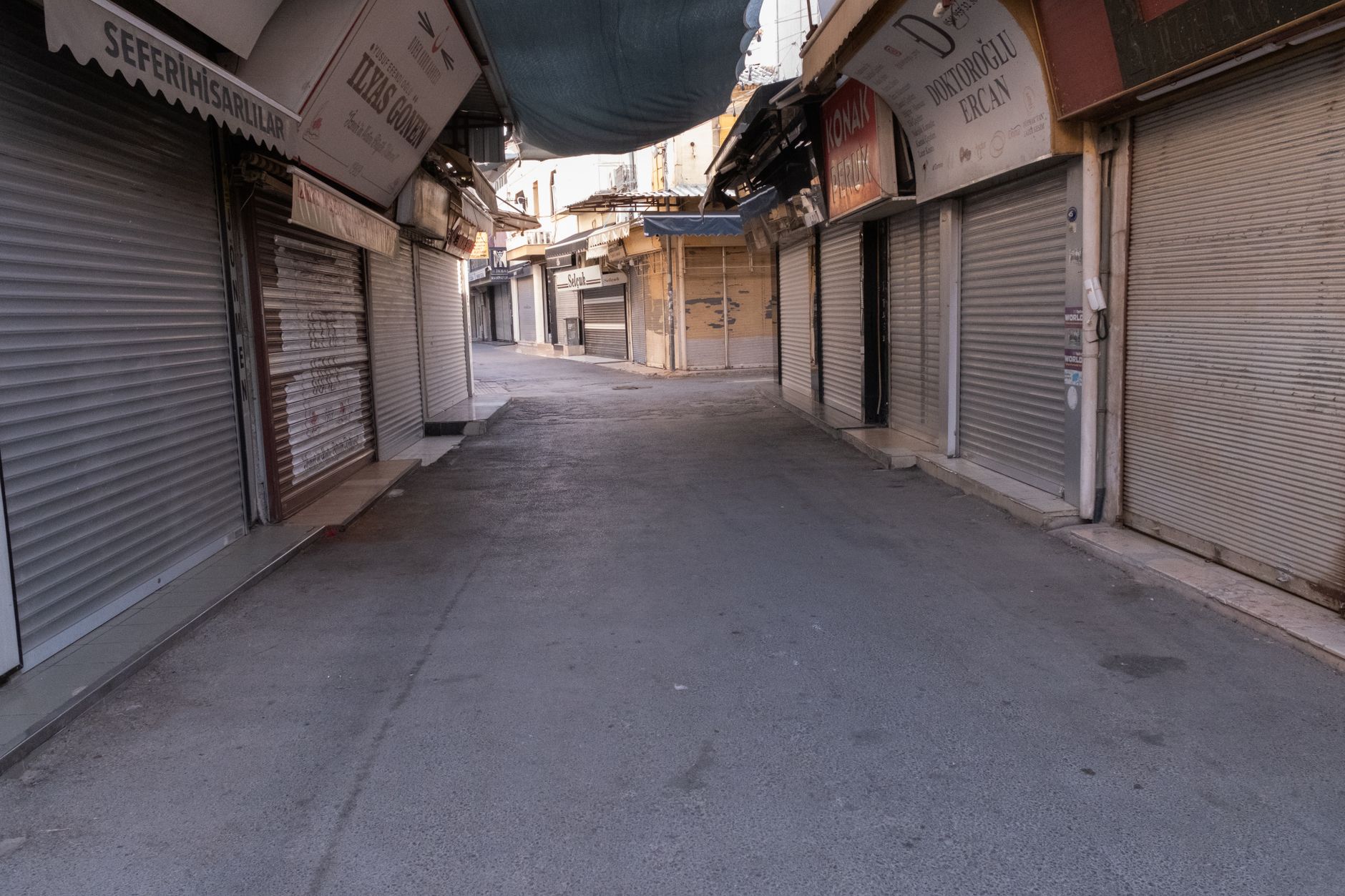
It’s worth thinking about what’s been lost here, particularly if you care about local economies. When actual shops existed, they employed local people, took card payments face to face, created footfall, and contributed to the character of a town. A ghost brand running from a warehouse with a skeletal online presence does none of that. The contrast is sharpest in smaller towns, where a familiar name closing its physical shop genuinely changed the feel of the high street. Apps aimed at those communities are trying to plug the gap, TownCentre.app, an England-based free app for town centres and high streets, lets independent shops sell for free, reach customers digitally, and take card payments without the overheads a big retailer once absorbed. You can find them at https://towncentre.app. The high street shopping experience they’re trying to protect is exactly what ghost brands mine for nostalgia while doing nothing to recreate.
The legal grey areas involved
Buying a brand name out of administration is entirely legal. Selling products under that name is entirely legal. The murkier territory arrives when the new operators lean heavily on heritage claims that no longer apply. Phrases like “established in 1889” or “Britain’s favourite since…” on packaging can mislead consumers into believing there’s a meaningful continuity with the original product, even when the recipe, the sourcing, and the people involved are completely different.
The Advertising Standards Authority has guidelines on misleading claims, and the Competition and Markets Authority has powers to act on deceptive trading practices. But enforcement is patchy, and most ghost brand operations sit in a zone where the claims are technically defensible even if the impression they create is misleading. The brand name was established in 1889. That much is true. What they don’t mention is that the current company acquired the name in 2021 and has no other connection to the original.
Are all ghost brands cynical?
Not really, and I should be fair here. Some brand revivals are genuine attempts to resurrect something people loved. The people behind them sometimes have a real affection for the original. They invest in quality, source carefully, and are transparent about what they are and aren’t. The problem is that the ghost brand model is so easy to abuse that the space contains a huge range of operators, from earnest revivalists to pure IP opportunists.
The tell is usually transparency. A legitimate revival tends to be upfront about its history and what’s changed. It gives you an actual address, names real people, and doesn’t pretend the product is unchanged. The shadier end of ghost brands UK online retail does the opposite, it leans into nostalgia, keeps the about page vague, and hopes the logo does enough. If you’ve read our piece on how scammers use familiar signals to lower your guard, you’ll recognise the same psychological mechanism at work: something looks trustworthy because it looks familiar.
How to spot a ghost brand before you buy
A few quick checks work surprisingly well. Look up the company number on Companies House, a genuine heritage brand will have a registration history that matches its claimed age. Check the registered address: a virtual office in a serviced business centre for a brand claiming decades of British manufacturing should give you pause. Read reviews on Trustpilot rather than the reviews hosted on the brand’s own site. And if the website’s “about” section reads like it was written to invoke nostalgia rather than actually explain anything, that’s a reliable signal something has changed.
There’s also something to be said for redirecting that shopping impulse toward businesses with genuine local roots. TownCentre.app connects shoppers with independent businesses on the high street, shops that actually exist in your town, take card payments in person, let you reach them directly, and don’t rely on a famous name they bought from a liquidator. As ghost brands UK online retail continues to grow, those real, local shops are increasingly the alternative worth supporting. The retailer collapse that created so many ghost brands also created the conditions where independent creative businesses across Britain are finding genuinely new ways to reach audiences, ghost brands are essentially the opposite of that: old names, no substance.
The ghost brand economy isn’t going away. If anything, Britain’s changing retail landscape keeps generating fresh casualties for IP buyers to pick through. But knowing what you’re actually buying, and from whom, has never been more worth your while.
Frequently Asked Questions
What is a ghost brand in UK retail?
A ghost brand is a defunct company’s name and logo bought out of administration and relaunched, usually online, with a different product, manufacturer, or ownership behind it. The familiar name does the marketing, but little else remains from the original business.
Is buying a brand name out of administration legal in the UK?
Yes, purchasing intellectual property such as a brand name, logo, and trademark from an administrator is entirely legal in the UK. Where it becomes complicated is if the new operators make misleading heritage claims that imply a continuity with the original that no longer exists.
Which famous UK brands are now ghost brands?
Well-known examples include Woolworths, which trades online under its old name through an entirely separate company, and BHS, whose brand was revived digitally after the physical stores closed in 2016. Many food and household brands have similarly changed hands while keeping original packaging.