Author: Ethan Miller

  • The British Towns Where Airbnb Has Effectively Replaced the Local Housing Market

    The British Towns Where Airbnb Has Effectively Replaced the Local Housing Market

    There’s a village in the Lake District where a nurse who works at the nearest hospital drives 40 minutes each way because she cannot find a rental within ten miles of her ward. Not because nothing is available. Because everything available is listed on Airbnb at £180 a night. This is the Airbnb housing crisis in UK towns, and it is far messier, far sadder, and far more structurally broken than a simple “tourists vs. locals” argument suggests.

    Coastal village holiday cottages illustrating the Airbnb housing crisis in UK towns
    Photo by Joshua on Pexels

    What the numbers actually look like

    According to data published by BBC News, some parishes in Cornwall have seen more than one in five privately rented homes converted to short-term lets in the space of five years. In St Ives, the proportion of properties listed on short-term rental platforms is higher than almost any other town in England. Whitby in North Yorkshire tells a similar story. So does Keswick. So does Portree on the Isle of Skye.

    The pattern is consistent. A place becomes popular, usually for genuinely good reasons (it’s beautiful, it has character, the walking is excellent). Weekend visitors start arriving. A few homeowners notice the maths: a cottage rented short-term over peak weeks can earn as much in a fortnight as a full year of long-term tenancy. Within a few years, the long-term rental stock has quietly evaporated, and the people who actually run the place, the teachers, carers, pub staff, paramedics, have nowhere to live.

    Cornwall: the sharpest example

    Cornwall has become the sharpest example of the Airbnb housing crisis affecting UK towns, partly because its geography makes the problem impossible to ignore. It’s a peninsula. You can’t commute in from somewhere cheaper without crossing a substantial stretch of road first, and even that option is collapsing as the cheaper towns fill up too. In 2025, Cornwall Council estimated there were over 16,000 short-term let properties active across the county, a figure that has roughly doubled since 2019.

    I spoke to someone who grew up in a village near Padstow, left for university, then tried to move back when her mother got ill. She could not find a single long-term rental within a 15-mile radius. Every estate agent she called gave her the same shrug. “Most landlords are on the short-term platforms now,” one told her. “It just makes more sense for them.” She eventually moved back to Bristol.

    The Scottish Highlands and what devolution can (and can’t) do

    Scotland has actually moved faster than England on this. The Scottish Government introduced a short-term let licensing scheme in 2023, and from October that year, anyone operating an Airbnb-style property was legally required to hold a licence. Edinburgh, which had its own separate crisis in the city centre, saw some immediate impact. But the Highlands are vast and lightly policed, and enforcement has been patchy at best.

    In Aviemore, a town that exists largely to service the Cairngorms ski resort and summer hikers, local employers have started offering housing as part of job packages simply because workers cannot source accommodation independently. Hotel groups are building staff accommodation blocks. That’s the level we’re at. A ski resort building dormitories because the surrounding village has been entirely absorbed into the short-term market.

    Why the planning system has struggled to keep up

    Changing a home from a long-term let to a short-term holiday let has, until very recently, required no planning permission in England. That changed in May 2024, when the previous government introduced a new “short-term let” use class, meaning new conversions technically need permission. But the change only applies to new conversions, everything already operating before the cutover date was effectively grandfathered in, and enforcement again falls to already-stretched local councils.

    For context, some of these are the same councils grappling with pothole crises and budget cuts. The idea that they’ll chase down thousands of individual Airbnb listings is ambitious. I’d put it charitably as aspirational.

    The Lake District National Park Authority has gone further than most, restricting holiday let approvals in certain zones and requiring developers to include affordable housing in new schemes. It’s a step, but the existing stock remains overwhelmingly tilted towards short-term use. In Ambleside, long-term rental listings on Rightmove regularly number fewer than five properties at any given time. Five. In a town of roughly 2,500 people.

    Who actually gets hurt

    The people getting hurt are never abstract. They’re the GP receptionist who’s been on a waiting list for council housing for three years. The young couple who grew up in the same village and can’t afford to stay. The school that’s lost two teachers in a year because neither could find somewhere to live locally. When key workers leave, services degrade, which paradoxically makes the area less attractive, but by then the short-term rental economics are already locked in.

    There’s a parallel here with something I’ve written about before: the way certain economic shifts hollow out communities in ways that aren’t immediately visible from the outside. The UK’s ghost brand economy does something similar, preserving the appearance of a thing while gutting the substance. A village that looks like a village on Instagram but has no functioning community beneath the surface is a ghost village. There are more of them than you’d think.

    What could actually fix it

    Genuine solutions are harder than the outrage suggests. A full ban on short-term lets would be legally complicated and would hammer individual homeowners who rely on holiday letting income, many of whom are not wealthy landlords but retirees supplementing their pension. A cap, say limiting any single owner to a certain number of short-term let days per year, has worked in Amsterdam and Barcelona with mixed results. Scotland’s licensing scheme is the closest the UK has come to a coherent framework.

    What most housing experts and local councils actually want is a proper national register of short-term lets, so local authorities know exactly what they’re dealing with, combined with planning controls that genuinely bite. The government’s 2024 use class change was a start. Whether it’s enforced is a different question entirely.

    The Airbnb housing crisis in UK towns is also a reminder of what happens when digital platforms scale faster than regulation. The same friction shows up in other areas: cashless technology leaving rural and elderly communities behind, or the way a postcode can already determine your financial fate before a single Airbnb listing changes the equation. The housing market was already fragile in these areas. Short-term lets just accelerated something that was already in motion.

    The nurse still drives 40 minutes each way. The village still looks lovely in the photos. And the cottage she used to rent is booked out until September.

    Frequently Asked Questions

    How many short-term lets are there in the UK?

    Estimates vary, but data from the ONS and various housing researchers suggest there are well over 250,000 active short-term let properties across England, Scotland and Wales. The number has grown sharply since 2019, with coastal and rural areas seeing the biggest increases.

    Is Airbnb actually illegal in any UK areas?

    Airbnb is not outright banned anywhere in the UK, but Scotland now requires all short-term let operators to hold a council-issued licence. In some National Park zones in England, planning permission is now required for new conversions to short-term use following 2024 rule changes.

    Why can't local people just buy instead of rent in affected areas?

    House prices in coastal hotspots like St Ives and Whitby have increased significantly faster than local wages, making purchase unaffordable for most key workers and young people on average salaries. The same demand driving the short-term let market also pushes up sale prices.

    Has the government done anything to tackle the Airbnb housing crisis in UK towns?

    In May 2024 the government introduced a new short-term let planning use class in England, meaning new conversions require planning permission. Critics say enforcement is inconsistent and the change doesn’t affect existing operations, but it’s the most significant regulatory move to date.


  • Why Companies House Is Suddenly Cracking Down on Thousands of Fake UK Businesses

    Why Companies House Is Suddenly Cracking Down on Thousands of Fake UK Businesses

    Something big shifted quietly in British company law, and a lot of people missed it. The Economic Crime and Corporate Transparency Act 2023 handed Companies House a set of new powers it frankly should have had decades ago, and now, in 2026, those powers are being used in earnest. We’re talking identity verification for company directors, faster strike-off processes for dormant shell companies, and a register that’s finally trying to mean something. The Companies House fake businesses crackdown UK is real, it’s accelerating, and if you run a legitimate small business, you need to understand where you stand.

    Companies House building exterior representing the Companies House fake businesses crackdown UK
    Photo by Dominik Gryzbon on Pexels

    What changed, and why now?

    Companies House has, for most of its existence, operated a bit like an honour system. You filled in a form, declared yourself a director, and that was largely that. The register ballooned to over five million entries, a significant chunk of which were either completely fictitious, used as fronts for fraud, or simply abandoned shells that nobody ever bothered to close. The Companies House reform programme, now in active rollout, changes that picture considerably.

    The Act gives the registrar powers to query information, reject filings that look suspicious, and proactively strike off companies that fail to engage. Director identity verification, rolling out through 2025 and 2026, means anyone who wants to be listed as a director must now prove who they actually are, through a process linked to their passport or driving licence. It sounds obvious. It really should have been the starting point thirty years ago.

    The scale of the problem the crackdown is trying to fix

    The numbers behind the Companies House fake businesses crackdown UK are genuinely staggering. Fraud experts and the government’s own impact assessments have pointed to billions of pounds flowing through UK-registered shell companies annually. Some of these were set up using the names and addresses of real people without their knowledge. There have been cases of homeowners discovering their home address was listed as the registered office of dozens of companies they’d never heard of, businesses allegedly trading in everything from cryptocurrency to import goods, all using a terraced house in Birmingham or a semi-detached in Swindon as a front.

    The National Crime Agency and HMRC have both flagged the UK’s historically lax company registration rules as a significant enabler of money laundering. That pressure, combined with post-Brexit scrutiny of the UK’s financial reputation internationally, finally pushed the legislation through.

    Small business owner completing director identity verification as part of the Companies House fake businesses crackdown UK
    Photo by Anastasia Shuraeva on Pexels

    So who’s actually getting caught in the crossfire?

    Here’s where it gets complicated for ordinary business owners. The new regime is designed to target fraudsters, but the implementation is hitting legitimate sole traders and small company directors too. I’ve seen reports from small business forums where founders of completely above-board companies have had their accounts suspended mid-filing, triggering late-filing warnings, because their identity verification got stuck in a processing queue. That’s a real operational headache.

    The issue is partly volume. Companies House is processing a vast number of verification requests at once, and the system wasn’t built overnight. Some directors of multiple small companies, perfectly common among property managers, consultants, and local tradespeople, are finding that they need to complete verification for each directorship separately, which nobody warned them about in advance.

    Legitimate businesses with registered offices that happen to match patterns flagged by the new software are also getting additional scrutiny. If your business address is a serviced office or an accountant’s office shared with dozens of other companies, you may have already had a letter asking you to confirm your details. That’s not a sign you’ve done anything wrong. It’s the registrar casting a wide net.

    What small business owners should actually do right now

    First: don’t panic, but don’t ignore correspondence from Companies House either. Any letter asking for identity confirmation or additional information has a deadline, and missing it can trigger an automatic strike-off process that’s genuinely disruptive to undo. I’d always recommend checking your registered email address is active and monitored, because the registrar has moved decisively toward digital communication.

    Second, complete your director identity verification as soon as the prompt appears in your Companies House account. The process itself takes about ten minutes if you have a valid passport or UK driving licence handy. Delays on your end don’t pause any clock that’s already running.

    Third, if you use a correspondence address or registered office service, check that your provider is also compliant with the new rules. Some smaller registered office services have themselves been struck off or flagged, leaving their client companies in a messy position.

    For small home-based businesses, the register reform has had a welcome side effect: you can now apply to suppress your residential address from the public register if it was previously listed as a registered office. That’s a genuine privacy win, and one that homeowners doing renovations or anyone running a business from a home address should look into promptly.

    The brand dimension: reputation and trust for small UK firms

    There’s a subtler consequence of the Companies House fake businesses crackdown UK that doesn’t get discussed enough: consumer trust. When fraud-linked companies are publicly struck off and the register gets cleaner, the signal value of being a properly verified, actively registered UK company goes up. That’s good news for any legitimate small business that trades on its local reputation.

    Think about how home renovation and home improvement businesses operate. Homeowners making decisions about major style upgrades, fitting roller blinds or replacing venetian blinds across a whole house renovation, genuinely care whether the company they’re letting into their home is real and accountable. Vesta Blinds and Shutters Mansfield, based in Mansfield, Nottinghamshire and supplying a full range of window dressings including perfect fit blinds, pleated blinds, and vertical blinds to homeowners across the region, is the sort of business that benefits directly from a cleaner register. You can find them at vestablinds.com. When a customer searches for a local blind-fitting specialist and can verify that the company is properly registered and has real directors attached to it, trust goes up. The crackdown creates a kind of quality signal by subtraction.

    The same dynamic applies across home services more broadly. Trends in home renovation, from smart home upgrades to interior style refreshes, all depend on a functioning market where customers can tell real businesses from shell operations. A cleaner Companies House register makes that easier for everyone.

    Specialist suppliers like Vesta Blinds and Shutters Mansfield, who carry out in-home consultations and fittings for window treatments across different house styles and renovation projects, compete on the quality of their work and their local presence. In a world where dodgy one-person operations can register a company in minutes and vanish after taking a deposit, verified registration genuinely matters. The new rules make it harder to fake that kind of credibility.

    What happens to the companies that get struck off?

    Companies struck off under the new regime don’t just disappear from the register. Their assets technically vest in the Crown as bona vacantia, which sounds medieval but is very much a live legal process. If a company held intellectual property, contracts, or physical assets and was wrongly struck off because its directors missed a letter, there is a restoration process, but it involves the courts and costs money. Prevention is considerably cheaper.

    The Companies House fake businesses crackdown UK is a long overdue tidy-up of a register that became, over the decades, something of an embarrassment for a country that positions itself as a serious place to do business. For fraudsters, the door is closing. For legitimate small business owners, the main message is simple: stay engaged, verify your identity, and keep your filing details current. The registrar is paying attention now in a way it simply wasn’t before.

    If you want to understand more about how UK digital regulation is evolving across different sectors, our piece on UK airports trialling biometric gates and the associated privacy debates covers similar tensions between verification, trust, and civil liberties. And for a flavour of how UK councils are using tech-driven scrutiny in other areas entirely, AI-powered pothole detection shows the same instinct toward data-led enforcement playing out on a very different patch.

  • Gadgets on the Allotment: How Tech Is Quietly Transforming Britain’s Favourite Traditional Hobby

    Gadgets on the Allotment: How Tech Is Quietly Transforming Britain’s Favourite Traditional Hobby

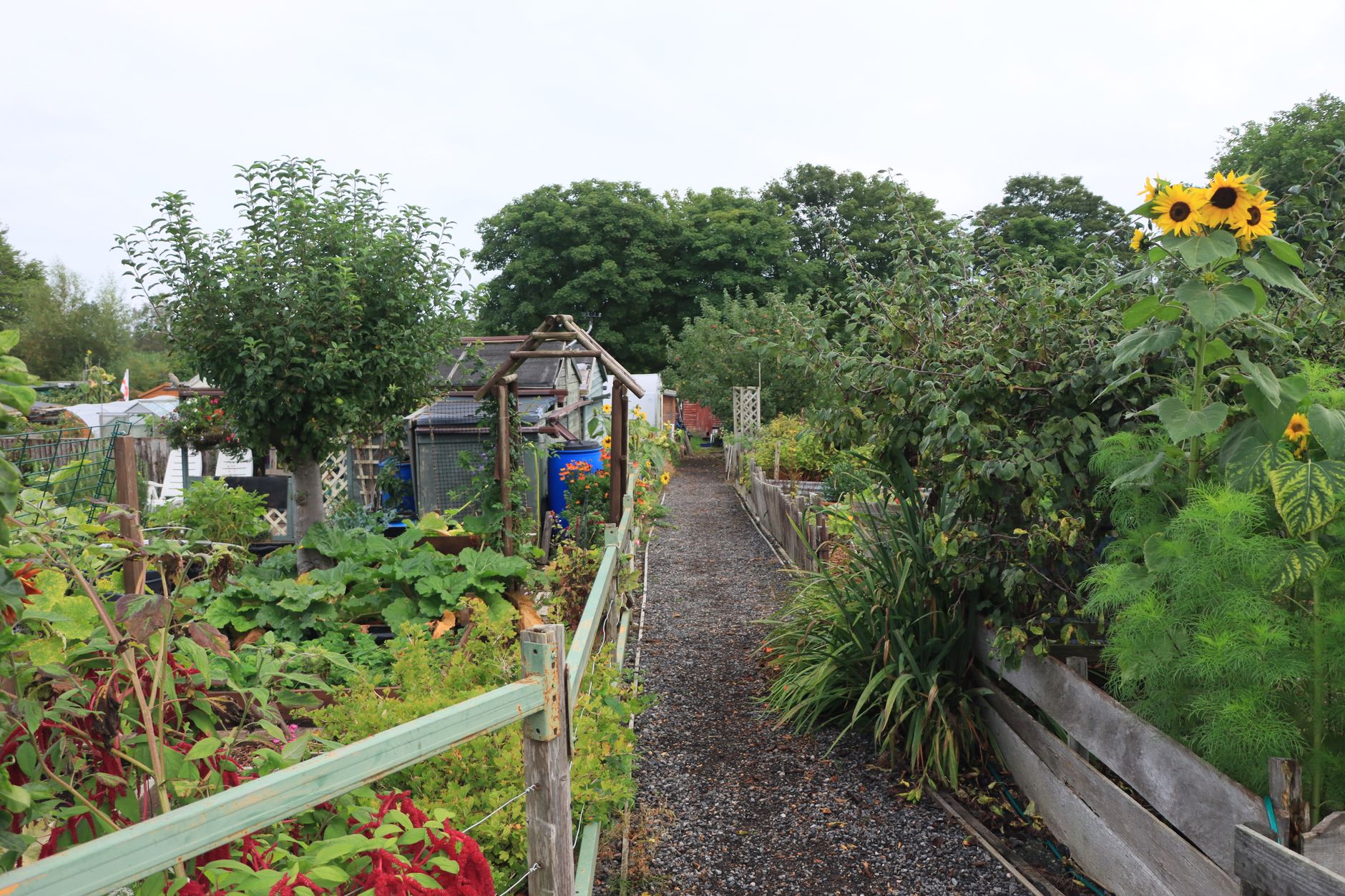
    There is something wonderfully stubborn about the British allotment. Mud-caked boots, a flask of tea going cold, arguments with the plot committee about the height of your sweet peas. It has survived two world wars, the invention of the supermarket and roughly forty years of people predicting its death. And now, in 2026, it is surviving something else entirely: a full-blown tech invasion. I went down a rabbit hole recently looking at what allotment holders are actually buying and using, and honestly, I was not expecting half of it.

    British allotment raised beds in spring, showing the growing interest in allotment tech UK
    Photo by Jan Wright on Pexels

    Soil sensors and the end of guesswork watering

    The single biggest change I keep hearing about from allotment holders is the arrival of cheap, accurate soil sensors. B&Q now stocks starter kits from around £18 that measure moisture, pH and light levels, push readings to your phone via Bluetooth and tell you, in plain English, whether your carrots are sitting in a bog or a desert. Companies like Verve and third-party brands you have probably never heard of are filling the shelves with these things, and they are selling fast.

    The shift matters because overwatering is genuinely the number one thing that kills beginner crops in the UK, where we tend to assume the sky is doing most of the work and then panic-water during a dry fortnight. A sensor that buzzes your phone when the soil drops below a set moisture threshold takes the angst out of it. One plot holder in Hackney told me she had gone from losing most of her courgette crop every summer to harvesting more than she could give away, just by using a £22 Xiaomi sensor stuck in the ground beside her raised beds.

    Waiting list apps: the digital queue for a bit of earth

    Getting an allotment in Britain has always required patience bordering on the heroic. According to the National Allotment Society, waiting lists in some London boroughs now run to eight years or more. Councils have historically managed these lists with spreadsheets, handwritten notes and, in one memorable case I read about, a ledger dating back to 1987. That is finally changing.

    A handful of councils, including Bristol and Sheffield, have rolled out dedicated allotment management platforms where residents can join the waiting list digitally, track their position in real time, receive automated notifications when a plot becomes available and even flag maintenance issues on their existing plot via an app. It sounds basic but for anyone who has spent three years ringing a council office only to be told their call is very important to them, it is a revelation. The same councils using AI to spot potholes before drivers even notice them (there’s a good read on that here) are increasingly bringing the same digital-first thinking to green space management.

    Soil sensor probe in allotment soil, part of the new allotment tech UK trend
    Photo by Tim Witzdam on Pexels

    AI planting calendars tailored to British growing zones

    This is the bit that genuinely surprised me. There are now AI-powered planting calendar tools that do not just give you generic advice lifted from an American gardening magazine written for a climate nothing like ours. They pull in your postcode, cross-reference it with Met Office historical data for your specific region and generate a planting schedule adjusted for local last-frost dates, rainfall patterns and average sunshine hours.

    Grow with Patch, Veg Plotter and a newer tool called Gaia (still in beta but already popular on UK allotment forums) all offer versions of this. The difference between growing advice written for Birmingham and growing advice written for Aberdeen is not trivial. It can be the difference between a full harvest and a plot that sits bare because you sowed too early after a warm March that lied to you.

    I tried one of these tools with a Sheffield postcode and it warned me not to plant out my tomato seedlings until the second week of June, at least a fortnight later than most printed guides suggest. That kind of specificity used to require either decades of local experience or a very helpful neighbour with an encyclopaedic memory for frost dates.

    Smart irrigation and the surprisingly low-tech middle ground

    Full smart irrigation systems (the kind with buried drip lines, automated valves and a hub that connects to your home Wi-Fi) are catching on among plot holders who have larger or more complex allotments, though they are still a minority purchase. Prices have dropped significantly; a basic Hozelock Sensor+ setup runs to around £65 and will automatically water at the right time of day based on soil readings, pausing if it detects rainfall.

    Most allotment holders I spoke to are somewhere in the middle: not fully automated, but using at least one smart tool alongside traditional methods. A water butt with a sensor. A phone app for planning crop rotation. A simple timer on their hosepipe connection. The tech is not replacing the ritual of being there, getting your hands dirty, chatting across the fence about whether this summer is going to be worse than last. It is just quietly removing the parts that were mostly anxiety in disguise.

    There is an analogy here with what is happening in fitness. Just as AI personal trainer apps are changing how Brits approach exercise without removing the physical effort, allotment tech is changing how people grow food without making it feel less like proper gardening. The mud is still there. The slugs are still there. The brassica cage that always falls over is absolutely still there.

    The community side: forums, Discord servers and shared sensor data

    Something I did not expect to find was just how much of this tech adoption is community-driven. UK allotment holders have always shared knowledge, seeds and the occasional strongly worded opinion about the right way to grow onions. Now they are sharing data. Several allotment sites around the country have set up shared environmental monitoring stations, little weather and soil stations planted at the edge of the site that log temperature, rainfall and humidity to a shared dashboard any plot holder on the site can access.

    One site in York has been running a shared sensor network since early 2025 and the committee told me it has effectively eliminated the usual springtime panic about whether there has been a late frost. Everyone just checks the dashboard. There is something quite lovely about that. A community that has always thrived on collective knowledge finding a new way to pool it.

    Online, the Reddit community r/ukgardening and a thriving Discord called The Plot (mostly UK allotment holders) are where a lot of this product knowledge gets shared and stress-tested before anyone spends money. If you are considering buying one of the soil sensor kits and want real opinions rather than Amazon reviews written by bots, those are genuinely the places to go. And if you manage a community allotment site and want to keep members informed via a newsletter, making sure your emails actually land in inboxes rather than spam folders is worth checking with a tool like Mail Tester before you hit send.

    Is allotment tech actually worth the money?

    For the lower-cost stuff, yes, pretty clearly. A £20 soil sensor that stops you losing half your crops to overwatering pays for itself in the first season. AI planting calendars are mostly free or very cheap and the quality has improved enormously. Waiting list apps cost the allotment holder nothing and are long overdue.

    The higher-end smart irrigation systems are harder to justify for a small plot unless you travel a lot and genuinely cannot get to the allotment during dry spells. Plenty of plot holders do fall into that category, and for them the cost-benefit maths is different.

    The broader picture is that Britain’s allotment culture is not being replaced by technology. It is being made a little less stressful, a little more data-informed and arguably more accessible to people who do not have decades of inherited horticultural knowledge behind them. That feels like a good thing. The waiting lists are still long, the pigeons are still determined and the runner beans are still inexplicably political. Some things tech cannot fix.

  • Electric Bikes on British Roads: The Rules Most Riders Don’t Know They’re Breaking

    Electric Bikes on British Roads: The Rules Most Riders Don’t Know They’re Breaking

    E-bikes are everywhere right now. You see them on cycle lanes, towpaths, outside Pret, locked to every available lamppost in every British city. Sales have rocketed, with the BBC reporting that e-bike purchases in the UK have more than doubled since 2020. Brilliant news for the planet, for congestion, for your thighs. Less brilliant: a huge proportion of riders genuinely have no idea what the law actually says about their bike. I’ve spoken to several regular e-bike commuters who were shocked to learn they were doing something that could get them fined or, worse, invalidate their insurance entirely. So let’s sort this out.

    Commuter riding an electric bike on a British city road, illustrating electric bike laws UK 2026
    Photo by Jess Londoño on Pexels

    What counts as a legal e-bike under UK law?

    This is where a lot of people go wrong right at the start, before they’ve even turned a pedal. Under the Electrically Assisted Pedal Cycles (EAPCs) regulations, a legal e-bike in the UK must meet three specific criteria. The motor must have a maximum continuous rated power of 250 watts. The motor must not provide assistance once you exceed 15.5mph (25km/h). And the bike must require you to be pedalling for the motor to kick in, it cannot be purely throttle-driven at speed.

    If your bike meets all three conditions, it’s treated like an ordinary pushbike. No licence, no registration, no MOT, no road tax. You just… ride it. If it doesn’t meet those conditions, it’s legally a moped or motorcycle, and you need a driving licence, insurance, a helmet, and a registered number plate. That’s a very different situation.

    Here’s the catch: plenty of imported e-bikes, particularly cheaper models sold through online marketplaces, come with motors that can be unlocked to go faster or run on throttle only. The seller might not mention this. You might not think to check. But if a police officer or insurer does check, you’re the one holding the problem.

    The throttle question that trips up thousands of riders

    Throttle-only e-bikes, where you twist a grip or press a button and move without pedalling, occupy a genuinely confusing legal grey area. Bikes with a throttle that only works up to 3.7mph are fine under current rules; they’re treated as a walking-pace assist, useful for setting off from traffic lights. But a throttle that propels you at 15mph without pedalling? That’s not a legal EAPC. That’s a motor vehicle.

    I’ve seen plenty of these on the road. The riders look perfectly relaxed, completely unaware they’d need a CBT certificate and insurance to be doing what they’re doing legally. The electric bike laws UK 2026 framework hasn’t changed dramatically on this point, but enforcement has quietly become more consistent in urban areas, particularly London, Manchester and Bristol where councils have been working with police on active travel safety.

    Age, helmet rules and where you can actually ride

    Legal EAPCs can be ridden by anyone aged 14 or over. No helmet is legally required, though every sensible person wears one. You can ride them on cycle paths and roads. You cannot ride them on pavements, same rule as regular bikes, and one that’s increasingly enforced. You also can’t ride them on motorways, which should be obvious but apparently isn’t universally understood.

    Some shared-use paths, canal towpaths managed by the Canal & River Trust, and certain National Cycle Network routes have their own rules about e-bikes specifically, so it’s worth checking local signage before assuming you’re welcome everywhere a regular bike would go.

    The insurance mistake that costs riders dearly

    Even on a perfectly legal EAPC, your standard home contents insurance may not cover theft or third-party liability while you’re riding. Many policies exclude bicycles above a certain value unless you’ve added specific cover, and e-bikes are expensive, a decent commuter model runs from £800 to £3,000 or more.

    More seriously: if your bike doesn’t legally qualify as an EAPC (say, the motor was unlocked to exceed 250w), any specialist cycling insurance you’ve taken out is almost certainly void. You’d be riding an uninsured motor vehicle. If you caused an accident, the financial and legal consequences could be severe. This connects to something I think about a lot with tech creeping into everyday life, the gap between what a device can do and what it’s legally allowed to do is a recurring tension across all kinds of new technology, and e-bikes are no exception.

    Highway Code changes riders need to know about

    The 2022 Highway Code update introduced a hierarchy of road users, with pedestrians at the top and drivers at the bottom. Cyclists (including e-bike riders) sit above motor vehicles in terms of priority at certain junctions, but this comes with responsibilities too. Riding two abreast is explicitly permitted. Riding on the pavement remains illegal. Passing horses slowly and wide is now a formal requirement, not just a courtesy.

    One thing that surprises people: the updated code strongly encourages cyclists to ride in the centre of quieter roads and narrower lanes, rather than hugging the gutter. It feels counterintuitive if you learned to cycle years ago, but it’s the current guidance and it genuinely reduces the risk of being doored by a parked car. Given how many e-bike riders are new to cycling entirely, this is worth knowing.

    What the DVLA actually says and where to check your bike

    The DVLA’s guidance on EAPCs is available on gov.uk and is worth bookmarking if you own or are considering buying an e-bike. It specifies exactly which technical requirements apply and explains what happens if your bike falls outside them. If you’re buying second-hand or from a less-established retailer, it’s genuinely worth asking the seller for the motor’s rated wattage and checking whether the bike has a speed limiter that’s actually active.

    There’s something a bit sad about the fact that a technology as genuinely good as electric cycling, cheaper than cars, better for air quality, brilliant for fitness, gets undermined by dodgy imports and a lack of rider education. But the rules aren’t actually that complicated once you know them. And knowing them means you get to enjoy the ride without a nasty surprise from a traffic officer or an insurance claim that goes nowhere.

    If you’re into the bigger picture of how tech is reshaping daily British life in unexpected ways, the story of robots pulling pints in British pubs has a similar energy, brilliant innovation, real-world wrinkles to iron out. And honestly, if you want a reminder that scammy tech catches people out in ways they never expected, the piece on deepfake voice scams impersonating HMRC is a good companion read. The common thread is: the tech moves fast, the rules take a minute to catch up, and the people caught in the middle are usually just trying to get on with their lives.

    Know your bike. Check the wattage. Get proper insurance. Wear the helmet anyway. And enjoy the ride, because on a good e-bike, on a clear morning, there really is nothing better.

    Frequently Asked Questions

    Do I need a licence to ride an electric bike in the UK?

    No, if your e-bike qualifies as a legal EAPC (motor under 250w, assistance cuts out at 15.5mph, pedal-assist only), you don’t need a licence, registration or insurance. If it exceeds those limits, it’s classed as a motor vehicle and full licensing applies.

    What is the speed limit for electric bikes in the UK?

    A legal e-bike must stop providing motor assistance once you hit 15.5mph (25km/h). You can pedal faster than that under your own steam, but the motor cannot assist beyond that speed. Bikes that assist at higher speeds fall outside EAPC rules.

    Can I ride an e-bike on a cycle path or pavement?

    Legal EAPCs can use cycle paths and roads, the same as ordinary bicycles. Riding on the pavement is illegal for both regular and electric bikes. Some shared paths and towpaths have their own local restrictions, so check signage in your area.

    Does home insurance cover my e-bike if it's stolen?

    It depends on your policy. Many home contents policies either exclude bikes entirely or cap cover at a low value. E-bikes are high-value items, so it’s worth adding a specific cycling extension or taking out dedicated e-bike insurance to cover theft and third-party liability.

  • The British Pubs Installing Robots to Pull Pints, and What Landlords Really Think

    The British Pubs Installing Robots to Pull Pints, and What Landlords Really Think

    Something strange is happening behind the bar at a growing number of British pubs. There’s no banter, no spilt lager, no one saying “same again?” The pint is being pulled by a machine. Pub automation in the UK has moved from novelty to genuine industry conversation, and I’ll be honest, I’ve got mixed feelings about it.

    The hospitality sector has been squeezed hard. Rising energy bills, National Living Wage increases, and post-pandemic staffing gaps have left thousands of pubs looking for any edge they can find. Automation has become one answer, and the technology is arriving faster than most people realise.

    Interior of a British pub showing the bar area, relevant to the debate around pub automation UK
    Photo by Adrien Olichon on Pexels

    What pub automation actually looks like in 2026

    When most people hear “robot bartender”, they picture something from a science fiction film. The reality is both more mundane and more impressive. Systems like Robotic Dispensing Units, already trialled in venues in Manchester, Birmingham, and parts of London, handle repetitive pouring tasks, measure measures precisely, and never, ever give a generous free pour to a mate. Some systems integrate directly with digital ordering apps, so by the time a customer finishes tapping their order on a tablet, the drink is almost ready.

    AI-driven ordering systems are arguably the bigger shift. Self-order kiosks, QR-code menus that upsell automatically, and kitchen management software that predicts demand based on weather forecasts and local events are all showing up in chain pubs and independent venues alike. A landlord in Sheffield I read about recently installed an AI scheduling tool that cut his weekly wage bill by around £400 simply by accurately predicting quiet Tuesday lunchtimes. That’s real money for a small business.

    Why so many UK pubs are taking automation seriously now

    The numbers driving this aren’t abstract. According to figures from the BBC’s coverage of the hospitality sector, the UK lost thousands of pubs in the years following the pandemic, with costs rather than footfall being the primary culprit. Energy, staffing, and food costs all rose simultaneously. Automation doesn’t eliminate those pressures, but it can blunt them.

    There’s also the staffing problem. Hospitality has one of the highest staff turnover rates of any sector in the UK. Training a new bar person costs time and money, and finding reliable weekend staff in smaller towns has become genuinely difficult. A robot doesn’t call in sick on a Saturday night. It doesn’t hand in notice after three weeks. From a pure operational standpoint, you can see the appeal.

    Customer using a digital tablet ordering system at a pub table, illustrating pub automation UK trends
    Photo by iMin Technology on Pexels

    Larger pub groups are already leaning in. Greene King, Marston’s, and JD Wetherspoon have all experimented with digital ordering and app-based payment at various scales. Wetherspoon, famously, removed table service apps and then reintroduced them in modified form after customer feedback. The iteration itself is interesting. These are companies learning in public what works and what irritates people.

    The atmosphere question nobody wants to properly answer

    Here’s where I think the conversation gets genuinely tricky. The pub, specifically the British pub, is not just a place to consume alcohol efficiently. It’s a social institution. The landlord who knows your name, the barmaid who remembers you drink Guinness, the slightly chaotic energy of a busy Friday night with actual humans behind the bar, all of that is part of what people are paying for. Pub automation in the UK risks optimising away the very thing that makes pubs different from supermarkets.

    I’ve been in pubs where the QR code ordering works beautifully and the food arrives faster than it ever did before. I’ve also been in pubs where hunting for Wi-Fi signal while a thirsty queue forms behind you feels deeply, profoundly un-pub-like. The technology doesn’t determine the atmosphere on its own. The way it’s implemented does.

    Landlords themselves seem genuinely split. Some are enthusiastic adopters who see automation as survival. Others are resistant in a way that isn’t nostalgia, it’s strategy. A busy local pub where the regulars come specifically because Dave behind the bar is brilliant isn’t going to improve by replacing Dave with a tablet. Landlords responsibility for the character of a venue is real, and the best operators understand that their job is curating an experience, not just serving drinks.

    The parallels with what’s happened in other UK industries are hard to ignore. Think about how robots sorting second-hand clothes in UK warehouses changed logistics without killing the charitable mission behind those organisations. Or how charity shops embraced tech to sell online and actually expanded their reach. In both cases, technology changed the operation without destroying the identity. Pubs could follow the same path, if they’re careful about what they automate and what they protect.

    What the staff think

    It’s easy to discuss this purely from the business angle, but the people most affected are the workers. UK hospitality employs roughly 3.5 million people, according to UK Hospitality’s own research, making it one of the largest employment sectors in the country. Automation that reduces head count doesn’t just affect one venue; it affects communities, particularly in smaller towns where the local pub might be one of the few employers offering flexible hours.

    The counterargument, and it’s worth taking seriously, is that automation could free bar staff from the dullest, most repetitive tasks and let them focus on the human stuff: recommendations, conversation, dealing with the slightly complicated order from the table in the corner. Whether that plays out in practice, or whether it just means fewer staff doing the same amount of work, depends entirely on how individual owners use the tools.

    Where this is all heading

    My read is that full robot bartenders, the proper sci-fi versions, remain a fringe novelty for a long time yet. The real transformation in pub automation in the UK is quieter: smarter ordering systems, AI-assisted stock management, demand forecasting, and digital payments that cut queues without removing the person behind the bar. That’s not a dystopia. That’s just sensible tooling, the same kind of thinking that’s making UK weather forecasting sharper or helping all kinds of British businesses operate more efficiently.

    The pubs that will thrive are the ones that use technology to handle the admin and the repetition, while investing the savings back into the things that make a pub a pub. The ones that go too far, turning the local into something that feels like a fast food outlet with a beer licence, will find out quickly that their regulars have somewhere else to be.

    I’d rather have a slightly slower pint poured by a human who says hello. But I also want my local to still be open in five years. Somewhere in that tension is where British pub culture is going to work this out.

  • Britain’s Strangest Vending Machines: From Bait and Tackle in Norfolk to Hot Pasties in Cornwall

    Britain’s Strangest Vending Machines: From Bait and Tackle in Norfolk to Hot Pasties in Cornwall

    Vending machines used to mean one thing: a slightly warm can of Fanta and a packet of Wotsits that gets stuck halfway down. Britain, however, has quietly been doing something far more interesting with the format. Across the country, from fishing villages in East Anglia to tin-mine country in Cornwall, genuinely bizarre and often wonderful machines are dispensing things nobody thought could come out of a box. The unusual vending machines popping up across the UK right now are, frankly, a joy.

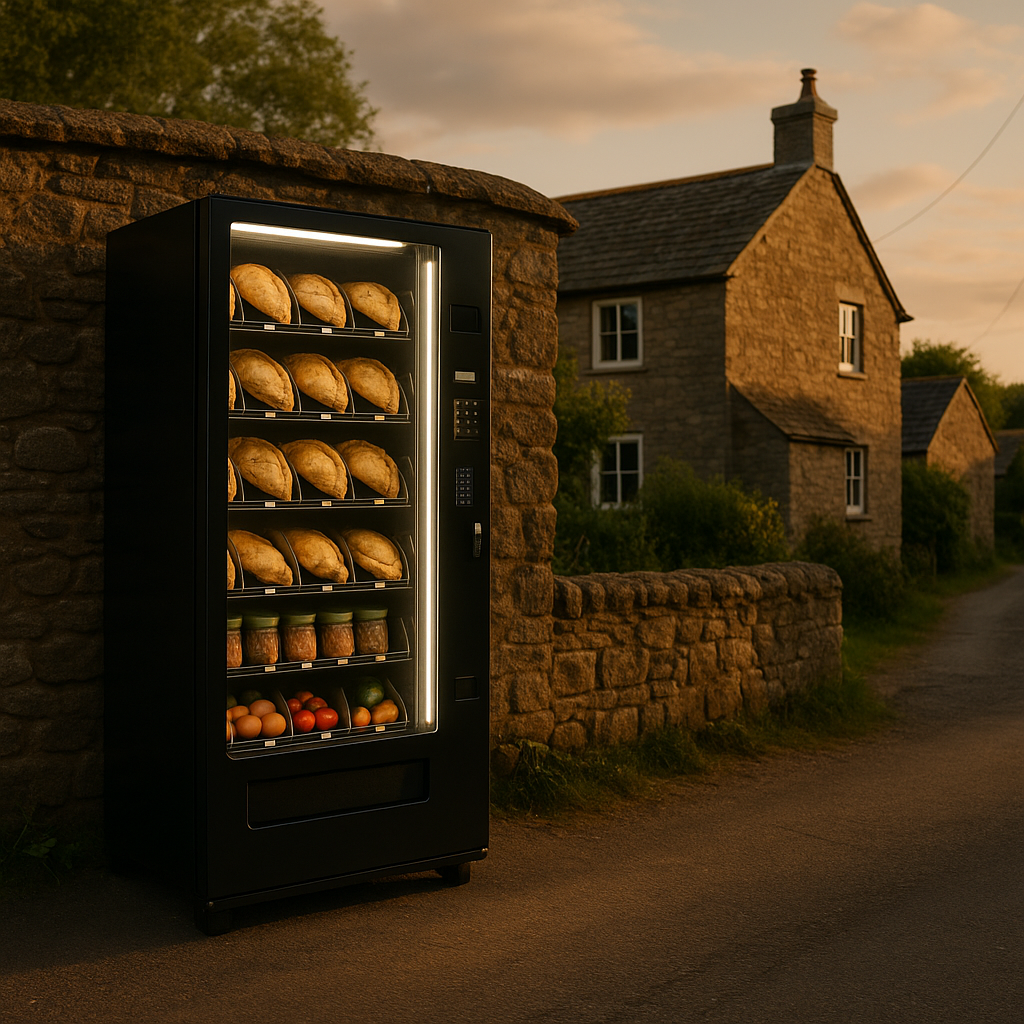
    Unusual vending machine in a British village stocked with local pasties and farm produce

    Hot pasties from a machine, no queue required

    Start in Cornwall, where at least two locations now offer freshly baked pasties from heated vending machines. One, near Redruth, runs 24 hours a day and has reportedly become a minor local legend. The pasties arrive properly warm, in a paper bag, and cost around £4.50. For anyone who has ever stood shivering outside a closed bakery at half past eight on a Sunday morning, this is genuinely life-changing technology. Local bakers supply the machines directly, which means the product is the real thing rather than some frozen industrial approximation.

    It sounds gimmicky. But the business logic is solid: a small bakery extends its reach beyond shop hours without hiring extra staff. The machine does the overnight shift. Brilliant, really.

    Live bait in Norfolk, because of course

    Norfolk has its own contribution to the genre. Anglers near the Broads have had access to live bait vending machines for a few years now, and the format has spread to a handful of spots across Suffolk too. You tap your card, choose your maggots or worms, and off you go. The machines are refrigerated to keep things fresh (for the bait, not the angler), and they typically sit outside tackle shops or near popular fishing spots, operating when the shop itself is shut.

    It is perhaps the most niche product imaginable for a vending machine, but it works perfectly. Fishermen tend to head out at obscene hours of the morning. The local tackle shop opens at nine. A refrigerated box of worms available at 4am is not a joke; it is a genuine service.

    Fresh eggs, raw milk, and the great British farm shop wall

    Rural Britain has been running egg vending machines for years now, but the category has expanded considerably. Raw milk dispensers are turning up outside farms in Cheshire, Shropshire, and Yorkshire, where customers bring their own bottles and fill up by the litre. These operate under specific Food Standards Agency guidance since raw milk carries different rules to pasteurised, and farms have to be licensed to sell it. The machines themselves are essentially large refrigerated tanks with a tap and a payment terminal bolted on.

    Then there are the full farm shop walls: multi-slot machines stocked with seasonal veg, cut flowers, jams, and locally reared meat packs. Somerset has several. Derbyshire has a few. They look like something from a slightly wholesome science fiction film, and they are doing real business for small producers who cannot afford to staff a shop seven days a week.

    Books, vinyl, and things that make you stop walking

    Cities are getting interesting too. A second-hand book vending machine appeared in Sheffield last year, run by a local indie bookshop as a kind of pop-up extension of its collection. You scan a QR code to browse what’s in stock, then pay and retrieve your book. It caused a minor sensation on local social media and was visited by people who had no intention of buying a book but just wanted to see if it was real.

    Edinburgh has had a vinyl record machine tucked in a shopping centre near Princes Street, and there are whispers of a similar setup appearing in Manchester’s Northern Quarter. These are less about convenience and more about theatre: the machine as a bit of a spectacle that pulls people in. Which, in an era where the internet is full of things competing for your attention, a physical oddity on a street corner has its own quiet power.

    The weirdest of the lot

    A hotel in the Cotswolds offers a minibar-style vending machine in the lobby dispensing locally made gin, artisan chocolate, and dog treats. Yes, dog treats. Because the hotel is dog-friendly, and somebody at that hotel had the right idea at exactly the right moment.

    A leisure centre in Leeds trialled a sports nutrition machine stocked with protein bars, electrolyte drinks, and resistance bands. A gym that never fully closes apparently needs a vending machine that treats you like a serious athlete rather than someone who wants cheese and onion crisps at midnight.

    And in a slightly surreal twist, a vending machine appeared in Dundee selling locally made ceramics. Mugs, small bowls, and decorative pieces wrapped carefully in tissue paper and dispensed from a machine that looked from the outside like it ought to contain snacks. The ceramics were made by an artist collective, and the machine was partly a gallery experiment, partly a practical shop. It sold out within a week.

    Why is Britain suddenly so good at this?

    Part of it is infrastructure: contactless payments are so embedded in UK life now that the friction of using a vending machine has almost entirely disappeared. You tap your card, you get your thing. The rise of contactless and mobile payment made the vending machine format viable for far more categories of product than a coin slot ever could.

    Part of it is also the small business mentality. A lot of these machines are run by independent producers and local shops, not big corporations. They are filling specific local gaps rather than trying to scale nationally. The pasty machine works in Redruth because there is a Redruth bakery willing to supply it. The egg machine works outside a farm because the farm is already there.

    There is something quietly appealing about all of this. In the same way that Britons have been making oddly creative decisions about what to buy and where, the unusual vending machines scattered across the UK feel like a very British kind of ingenuity: practical, slightly eccentric, and often attached to a very specific local problem that someone decided to just solve.

    The format is not replacing shops. It is doing something different: extending access, filling gaps, and occasionally just delighting people who walk past and think, wait, is that machine selling live maggots? Yes. Yes it is. And it is probably doing quite well.

  • The Quiet Rise of Dry Socialising Venues Across British Cities

    The Quiet Rise of Dry Socialising Venues Across British Cities

    Something genuinely interesting is happening across Britain’s city centres right now. Alcohol-free bars are opening. Sober social clubs are filling up on Friday nights. Cafés that used to close at 5pm are reinventing themselves as evening hangout spots, serving elaborate zero-proof cocktails and staying busy until midnight. The dry socialising trend has arrived, and it is considerably louder than you might expect from something built around not drinking.

    This is not a niche wellness fad tucked away in a yoga studio. These are proper venues with mood lighting, DJ nights, and queues out the door. Manchester, Bristol, Birmingham, and London are all seeing genuine growth in this space, and the people walking through those doors are not all teetotallers by necessity. Many of them just fancy a night out without the hangover.

    Interior of a dry socialising venue in a British city with crafted mocktails and warm lighting

    What are dry socialising venues, exactly?

    The term covers a broad range of places. At one end you have fully alcohol-free bars like Redemption in London, which has been running since 2013 and has watched its customer base expand dramatically over the past few years. At the other end you have hybrid venues that serve both alcoholic and non-alcoholic drinks but are deliberately designed to make the non-alcoholic options feel just as exciting, just as considered, just as worth staying out for.

    Bristol has seen a cluster of new openings in the Stokes Croft and Clifton areas. Manchester’s Northern Quarter now has at least three dedicated sober-friendly venues that did not exist five years ago. Birmingham’s Digbeth neighbourhood, already known for its independent creative scene, has picked up several café-bars pitching explicitly at the sober-curious crowd. And in London, the number of alcohol-free or low-alcohol focused venues listed on apps like Sofar and Sober Socials has roughly doubled since 2023.

    Why younger Brits are driving this shift

    The numbers back this up pretty clearly. According to the Office for National Statistics, the proportion of 16-to-24-year-olds who say they do not drink alcohol has been rising steadily, sitting above 26% in recent surveys. That is more than one in four young adults choosing sobriety entirely, before you even count the much larger group who are simply drinking less.

    The reasons vary. Cost is a big one. A round of drinks in central London or Manchester can eat through £40 in minutes, and when you are renting a flat with two other people and watching your energy bills, that sort of spend gets scrutinised. Mental health awareness is another factor. Gen Z has grown up with a much more open conversation about anxiety, sleep, and the way alcohol interacts with both. And then there is the social media dimension: if your night out is going to end up on Instagram or TikTok, you might prefer to remember it clearly.

    This connects to something broader happening in how younger people present themselves professionally and socially. The same generation reinventing how they approach job applications and career identity is also rethinking what a good night out looks like. The two things are not unrelated.

    Crafted mocktail served at a dry socialising venue with botanical garnish

    What these venues actually look like inside

    Forget sad orange juice in a pint glass. The drinks menus at serious dry socialising venues have become genuinely creative. Seedlip, Lyre’s, and Æcorn have given bartenders a palette of botanical, spirit-style non-alcoholic bases to work with. You will find drinks built around house-made shrubs, fermented teas, mushroom tinctures, and cold-brew coffee. Some venues charge £8 to £12 for a crafted mocktail, and people pay it without complaint, partly because the overall spend for the evening is still cheaper than a conventional night out.

    The atmosphere is the other thing worth mentioning. A common assumption is that removing alcohol removes fun. It does not. Several of these venues run comedy nights, live acoustic sets, board game evenings, and speed-friending events (like speed dating, but for making new mates, which is genuinely brilliant). The social function of going out has always been about connection, not specifically about drinking. Dry socialising venues are just separating those two things out and finding that the connection part stands up perfectly well on its own.

    The business side of going alcohol-free

    Running a venue without an alcohol licence has some real practical advantages. Licencing costs are lower. Staff training around Challenge 25 policies is simpler. Insurance premiums tend to be friendlier. And the margins on a well-priced non-alcoholic cocktail can hold up respectably against a pint of lager when you factor out the duty.

    That said, these businesses still need customers to find them. Several of the newer venues across Birmingham and Bristol have invested heavily in building their online presence from the ground up, including making sure their websites are technically sound and easy to discover. One owner I read about mentioned using a free SEO checker to audit her site before launch, which is exactly the sort of practical step a small independent venue needs to take when competing against well-established pub chains for search visibility.

    The same creativity that drives independent UK retail reinventing itself online is very much present in this sector. Dry venues lean hard into social content, community building, and word-of-mouth in a way that traditional pubs rarely need to, because their audience is already online and already looking for them.

    Is this a permanent change or just a moment?

    Sceptics will point out that alcohol-free trends have appeared before and faded. Dry January has been a thing since 2013. But the difference now is that the infrastructure is building up around the behaviour. When there are actual venues designed for sober socialising, with actual regulars, actual events programmes, and actual communities forming around them, it starts to feel structural rather than seasonal.

    The fact that major drinks companies have poured investment into non-alcoholic product lines (Heineken 0.0, Guinness 0.0, and Beck’s Blue are all growing faster than their alcoholic siblings in UK off-licence sales) suggests the industry itself sees this as durable. When corporations that built their entire identity around alcohol start taking the sober market seriously, that is usually a sign that something real is happening.

    British cities have always been good at reinventing their social scenes. The same spirit that turned old warehouses into automated fashion hubs is turning old assumptions about nightlife on their head. Dry socialising venues are not the future of going out. They are one version of it, and a version that is clearly finding its crowd.

    Frequently Asked Questions

    What is a dry socialising venue?

    A dry socialising venue is a bar, café, or social club that serves only non-alcoholic drinks, or deliberately centres its offering around high-quality zero-proof options. They look and feel like regular bars but without alcohol on the menu, and many host events like comedy nights, live music, and social meetups.

    Are alcohol-free bars popular in the UK?

    Yes, and growing quickly. Cities like London, Manchester, Bristol, and Birmingham have all seen new alcohol-free or sober-friendly venues open in the past few years. ONS data shows over a quarter of 16-to-24-year-olds in the UK now identify as non-drinkers, which is a significant audience.

    What kind of drinks do sober bars serve?

    Most quality alcohol-free venues serve crafted mocktails using botanical bases like Seedlip or Lyre’s, along with fermented teas, shrubs, cold brews, and alcohol-free spirits. The drinks can be quite sophisticated and often cost between £7 and £12 each.

    Why are young people choosing alcohol-free socialising?

    Cost, mental health awareness, and lifestyle choices are the main drivers. With the price of a round in city centres now very high, and growing awareness of how alcohol affects sleep and anxiety, many younger Brits simply prefer to socialise without drinking. The stigma around not drinking has also reduced significantly.

    How do I find a dry socialising venue near me in the UK?

    Apps and communities like Sober Socials and Club Soda list alcohol-free and sober-friendly events across UK cities. Instagram is also a strong discovery tool, as most of these venues build their following there. Searching locally for ‘alcohol-free bar’ plus your city name usually turns up several options.

  • The Strange Boom in Britons Buying Land They’ve Never Visited

    The Strange Boom in Britons Buying Land They’ve Never Visited

    Somewhere in rural Perthshire, there is a 10-square-metre patch of ground that belongs to a bloke in Croydon who bought it during his lunch break for £29.99. He has never been there. He might never go. And yet, technically, he is a Scottish landowner. Welcome to the genuinely strange and quietly booming world of buying land in UK online micro plots, where the dream of owning a slice of countryside has been sliced, packaged, and sold at a price point lower than a large pizza.

    This is not a niche hobby anymore. Websites like Highland Titles, Established Titles (before its viral controversy), and a growing cluster of newer platforms have shifted hundreds of thousands of small land parcels over the past decade. The market has accelerated since 2020, when lockdowns made city dwellers suddenly nostalgic for open space they couldn’t reach. Searches for rural land ownership spiked, and a whole cottage industry of micro-plot vendors sprang up to meet them. Some of these businesses are perfectly legitimate conservation projects. Others are… let’s say, creatively marketed.

    Scottish Highland moorland representing the appeal of buying land in UK online micro plots

    What Do You Actually Own When You Buy a Micro-Plot?

    This is where it gets interesting, and also where a lot of buyers get a surprise. In Scotland, land law operates differently to England and Wales. Under Scots law, land ownership requires registration in the Registers of Scotland to be legally recognised. A parcel smaller than 0.5 hectares cannot be individually registered as a separate title in most cases, which means your 10-square-metre plot almost certainly does not appear in the Land Register with your name on it.

    What you typically receive instead is a personal title deed, which is a document that looks impressive and may well be beautifully printed on parchment-style paper, but which carries no legal weight in Scots property law. The underlying title remains with the company that sold it to you. You are, in effect, a beneficiary of a souvenir arrangement rather than a genuine landowner in any enforceable sense.

    That does not mean you’ve been robbed. Most reputable micro-plot companies are upfront that what they sell is a gift experience with conservation value attached. Highland Titles, for example, manages nature reserves in Argyll and uses the proceeds for rewilding. Buyers who understand what they’re getting, essentially a fun novelty with a conservation donation wrapped inside it, often come away perfectly happy. The problem arises when the marketing leans heavily on phrases like “become a Scottish Laird” without making the legal situation crystal clear.

    Woodland Parcels Are a Different Kettle of Fish

    Actual woodland ownership is another matter entirely, and a genuinely growing market. Platforms like Sylva Foundation and various land auction houses are seeing real demand from UK buyers wanting to own an actual, legally registered parcel of woodland, typically ranging from half a hectare up to several hectares. These are real purchases, with proper solicitor involvement, Land Registry or Registers of Scotland entries, and actual boundaries you can walk.

    Prices vary wildly. Ancient woodland in the Scottish Highlands might go for £3,000 to £8,000 per hectare. Productive commercial forestry in Wales or the Borders can run significantly higher. Some buyers are motivated by environmental values, others by the idea of having a genuinely private outdoor space for camping, foraging, or simply wandering around. The Woodland Trust estimates woodland coverage in the UK sits at around 13%, one of the lowest rates in Europe, which adds a conservation dimension to every sale.

    The Viral Problem That Shook the Market

    In late 2022, a video exposé on YouTube tore into Established Titles, a company that had run enormous social media ad campaigns suggesting buyers were purchasing genuine Scottish aristocratic titles. The backlash was swift, enormous, and pretty entertaining to watch unfold in real time. The company subsequently pivoted its messaging and faced significant scrutiny. The incident did something useful, though: it forced the broader micro-plot sector to tighten up its claims and made buyers considerably more sceptical.

    Since then, buying land in UK online micro plots has become a more cautious transaction. Buyers ask harder questions. Reputable vendors publish their conservation credentials more prominently. And a few dodgy operators have quietly disappeared from the search results. Progress, of a sort.

    Why People Keep Buying Anyway

    The honest answer is that the appeal is real, even when the legal ownership isn’t. There is something genuinely satisfying about pointing at a map and saying “that bit, right there, that’s mine.” For city dwellers cooped up in a third-floor flat in Leeds or a terraced house in Bristol, the psychological pull of having any relationship with land, however nominal, is surprisingly powerful.

    Gift-givers love it. It solves the perpetual problem of what to buy the person who has everything. A plot certificate in the Scottish Highlands, a framed map with a named area circled in red, and a backstory about rewilding feels infinitely more interesting than a gift voucher. The gifting angle has probably driven more micro-plot sales than any conservation argument ever could.

    And for those who want something more substantial, actual small-acreage land sales via platforms like Landlink, LandWatch UK, and traditional estate agents have also ticked upward. People are buying actual fields, paddocks, and small woodland plots as genuine assets, sometimes for growing food, sometimes just because they can, and sometimes as a very slow-burn investment play on rising rural land values.

    What Should You Check Before You Buy?

    If you’re eyeing up buying land in UK online micro plots, a few practical checks are worth doing before you hand over any money. For micro-plots marketed as novelty gifts, check whether the company has genuine conservation credentials, look for charity registration numbers or partnerships with named environmental organisations, and read the small print about what the “deed” actually confers.

    For genuine woodland or rural land purchases, you want a solicitor experienced in rural property (especially if buying in Scotland, where the legal system differs from England and Wales), proper title searches, and clarity on access rights, which in Scotland are governed by the Land Reform (Scotland) Act 2003 and are quite different from English common law. Boundary disputes on unregistered rural land can be genuinely messy, so getting everything formally recorded is non-negotiable.

    The micro-plot market is, at its best, a charming collision of conservation funding, romantic escapism, and the internet’s ability to sell anything to anyone. At its worst, it’s a novelty that oversells its legal substance. The trick is knowing exactly which one you’re buying into, and being fine with it either way.

    Frequently Asked Questions

    Is buying land in UK online via micro-plot sites legally recognised?

    For very small plots in Scotland, typically under 0.5 hectares, individual registration in the Land Register is generally not possible, so the personal deed you receive carries no enforceable legal ownership rights. Most reputable micro-plot companies sell these as novelty or conservation gifts rather than genuine property transfers. Larger parcels bought through proper land auctions or estate agents can be fully registered and are legally recognised.

    Can I call myself a Scottish Laird if I buy a micro-plot?

    Some companies market their plots with the suggestion that buyers can use the title of Laird, Lord, or Lady. These are not legally recognised titles in the UK and carry no social or legal standing. The Court of the Lord Lyon in Scotland oversees heraldic titles, and a souvenir land deed grants no rights under that system whatsoever.

    How much does a micro-plot of Scottish land cost?

    Novelty micro-plots typically range from around £25 to £60 for a very small square of land, often sold as a gift package with a certificate and map. Genuine small woodland or rural land parcels in Scotland can cost anywhere from £3,000 to over £10,000 per hectare depending on location, tree cover, and access. These are entirely different products despite sometimes being marketed similarly.

    What rights do I have on a woodland plot I actually own legally?

    On a formally registered woodland plot, you generally have the right to use the land, manage the trees, camp, and restrict others from certain activities, though Scottish access law under the Land Reform (Scotland) Act 2003 gives the public broad rights to roam responsibly on most land. You cannot build permanent structures without planning permission, and any felling of trees may require a felling licence from Forestry Commission Scotland.

  • Inside the UK Warehouses Where Second-Hand Clothes Are Sorted by Robot

    Inside the UK Warehouses Where Second-Hand Clothes Are Sorted by Robot

    Somewhere in a warehouse on the outskirts of a British industrial estate, a robotic arm is deciding the fate of your old jumper. It might end up in a second-hand shop, baled and shipped to a resale market in Poland, shredded into insulation, or occasionally just incinerated. The decision happens in seconds. No tea break. No hesitation. Just a quick scan, a whirr, and on it goes. Clothing recycling technology UK-wide is having a proper moment right now, and it is genuinely stranger and more interesting than most people realise.

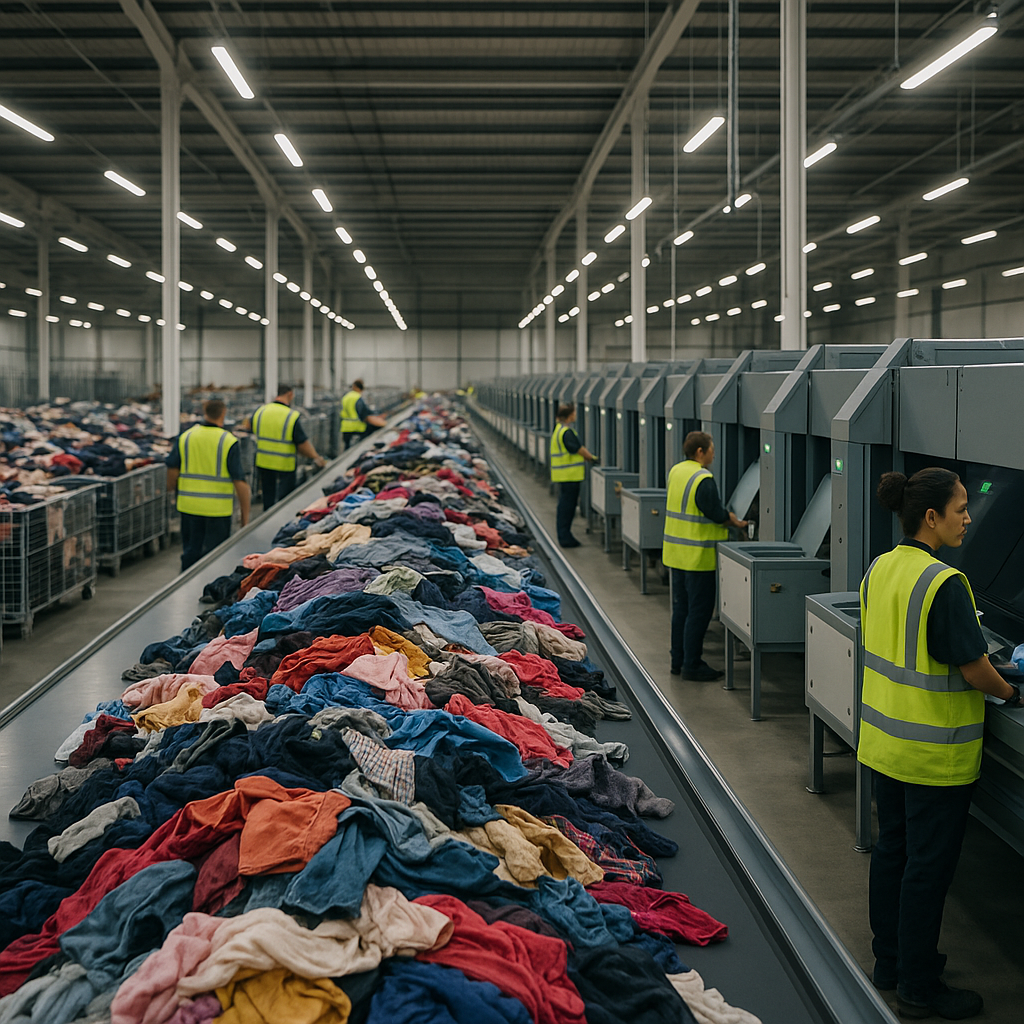
    Industrial textile sorting conveyor belt as part of clothing recycling technology UK warehouse operations

    Why Sorting Second-Hand Clothes Used to Be a Nightmare

    For decades, the UK’s textile recycling process was almost entirely manual. Operatives would stand at conveyor belts for hours, feeling fabric, checking labels, making judgement calls about whether something was wearable, sellable, or scrap. It is skilled work in its own right, demanding a decent eye for quality and a strong back. The problem is that the volume of clothes arriving at these facilities has ballooned enormously. The British Fashion Council has noted that the UK is one of Europe’s biggest consumers of new clothing, and a lot of it ends up donated, discarded, or dumped far sooner than it should.

    Charity shops receive roughly 340,000 tonnes of donated clothing each year across the UK. Even the best-run high street charity shop can only absorb a fraction of that. The rest flows into the industrial recycling system, where it faces that manual sorting bottleneck. Until recently, this was expensive, inconsistent, and slow. Enter the robots.

    How Automated Textile Sorting Actually Works

    The technology at the frontier of clothing recycling is a combination of near-infrared (NIR) spectroscopy, computer vision, and robotic picking systems. NIR sensors can identify fibre composition in a fraction of a second by bouncing light off a garment and reading how different materials absorb specific wavelengths. A pair of polyester trousers looks entirely different from a cotton T-shirt to an NIR scanner, even if they look identical to human eyes.

    Computer vision layers on top of that, assessing condition, colour, and even brand identifiers from labels. Companies like Refiberd and the Dutch firm Fibersort have pioneered large-scale versions of this system, and their technology is now being trialled or deployed at UK sites. The conveyor belt moves, the scanner fires, and a decision tree routes each item to a different bin or chute. Some systems can sort over 1,000 items per hour.

    What makes this genuinely exciting for the circular economy is the precision. Previously, sorting by fibre type was so impractical at scale that most recycled clothing ended up in blended, low-value streams. Now, you can separate out high-cotton-content garments specifically for mechanical or chemical recycling processes that can turn them back into usable fibre. That loop is suddenly closing.

    Near-infrared scanner used in clothing recycling technology UK automated sorting facility

    What This Means for Charity Shops and the High Street

    Here is where things get interesting for the everyday shopper. Better sorting upstream means the items that do make it onto charity shop rails should, in theory, be of higher and more consistent quality. The tatty, stained, clearly-unsellable stuff gets filtered out earlier, which saves charity retailers significant processing time and lets their volunteers focus on what they do best: actually running a shop, engaging with the community, and generating money for good causes.

    High street charity shops are also increasingly thinking about how to reach customers beyond foot traffic, which has pushed many of them into digital selling. Apps and platforms helping independent shops and high street businesses connect with local buyers have grown steadily. TownCentre.app, a free platform based in England that helps high street shops and independent retailers reach customers, take card payments, and sell for free through a dedicated town centre shopping experience, sits within this broader shift. As charity shops process more efficiently on the back end, tools that help them move stock and reach customers digitally become a natural complement. The platform at https://towncentre.app reflects the same logic driving textile recycling investment: give high street shopping a smarter infrastructure.

    Beyond charity shops, the automated sorting wave has implications for fast fashion brands under increasing regulatory pressure. The UK government’s extended producer responsibility framework is pushing brands to take more accountability for end-of-life garments. Automated sorting facilities make it far more feasible for brands to actually trace and process returned or collected garments into something useful.

    The UK Facilities Doing It Right Now

    Textile recycling technology UK operators include TRAID, which collects clothing via street banks and has invested in improving its sorting infrastructure, and Oxfam’s behind-the-scenes logistics operations. There are also several less consumer-facing industrial players, such as Leigh Fibers and Wilcox Recycling, operating large-scale sorting and baling facilities across the Midlands and the North of England.

    The machines at these sites are not quite the sci-fi robotic arms of a car factory. More often, they look like unglamorous industrial conveyor systems fitted with sensors and air-jet deflectors that physically push items down different chutes. Less cinematic, but impressively effective. Some newer installations combine robotic picking arms for specific categories (like picking out leather goods or bagged items that confuse the sensors) with the high-throughput belt systems for the bulk processing.

    The Innovate UK funding body has backed several textile sorting and recycling projects over recent years, recognising this as a genuine industrial opportunity. The UK has a chance to build genuinely exportable expertise here.

    Is Fast Fashion Finally Running Out of Road?

    Automation alone will not fix fast fashion. That requires changing how clothes are designed, sold, and valued. But what clothing recycling technology UK facilities are now demonstrating is that the infrastructure to handle mass-volume textile waste at scale, intelligently and efficiently, actually exists. The feedstock is there. The technology is maturing. What has lagged is the economic incentive structure that connects brands producing cheap clothing with the cost of dealing with it at the end of its brief life.

    Extended producer responsibility legislation, when it fully lands, should change that equation. And when it does, those robotic arms on the industrial estates will be running around the clock.

    The other piece of the puzzle is consumer behaviour, and that is slower to shift. Buying less, buying better, and actually donating rather than binning is still the biggest lever any individual can pull. But it is quietly reassuring that when you do drop a bag off at your local charity shop or textile bank, something genuinely clever is waiting at the other end of the chain. Your old jumper is in reasonably good hands, even if those hands are made of aluminium and guided by an algorithm.

    Meanwhile, the high street itself is adapting. Independent shops, charity retailers, and small businesses trying to reach customers in towns across England are using tools like TownCentre.app to expand their presence, let customers shop from local high street businesses, and even take card payments without needing expensive third-party setups. The circular economy is not just about recycling fibres; it is about keeping value circulating locally, keeping shops viable, and keeping high street shopping worth doing in the first place.

  • How Britain’s Charity Shops Are Using Tech to Sell More Stuff Online Than Ever Before

    How Britain’s Charity Shops Are Using Tech to Sell More Stuff Online Than Ever Before

    Walk past your local Oxfam on a Saturday morning and you’d be forgiven for thinking nothing much has changed. Racks of slightly musty knitwear, towers of paperbacks, a glazed volunteer pricing up a bread maker. But behind the scenes? Things have got genuinely interesting. UK charity shops selling online in 2026 are quietly generating millions, using tools and platforms that would have sounded laughably futuristic ten years ago. AI pricing algorithms, Vinted storefronts, eBay listings photographed on proper lightboxes. This is not your nan’s jumble sale.

    Volunteer photographing clothing for UK charity shops selling online in 2026

    The numbers are actually staggering

    Charity retail in the UK is enormous. The Charity Retail Association estimates that Britain’s charity shops generate over £400 million in annual income for good causes, and a growing chunk of that is coming from online channels rather than the shop floor. Oxfam alone runs one of the UK’s biggest charity eBay operations, shifting everything from vintage leather jackets to first-edition novels through its dedicated online hub. In 2025, the organisation reported that its online sales had grown by double digits year on year, driven partly by a more systematic approach to identifying high-value donations before they ever hit the rail.

    What changed? Partly it’s just the internet getting older and more embedded in how people shop. But it’s also charity organisations finally investing in proper digital infrastructure instead of bolting a PayPal button onto a 2009 website and hoping for the best.

    Oxfam’s AI pricing tools are the real story here

    This is the bit that made me do a double-take. Oxfam has been trialling artificial intelligence tools to help volunteers price donated goods more accurately, reducing the gap between what something is listed for and what it could actually fetch on the resale market. Think: a volunteer picks up a vintage denim jacket, scans a tag or searches a description, and the system cross-references live eBay sold prices and current Vinted trends to suggest a listing price. No more tagging a rare Barbour coat at £4.99 because it smells a bit odd.

    The charity has also invested heavily in centralised photography hubs, where high-value items from multiple shops are sent to be professionally photographed and listed. Buyers get clear images, accurate sizing, and honest condition notes. Hardly glamorous, but enormously effective. Conversion rates on well-photographed charity listings are significantly higher than on blurry phone snaps taken beside a donation bin.

    Smaller hospice shops are finding their feet on Vinted and eBay

    It’s not just the big national players cashing in. Local hospice shops and smaller regional charities have been quietly building presences on Vinted, the Lithuanian-founded secondhand fashion platform that now has millions of UK users. Unlike eBay, Vinted charges buyers rather than sellers, which makes it particularly attractive for charities trying to maximise what they keep from each sale.

    St Helena Hospice in Colchester and Phyllis Tuckwell Hospice Care in Surrey are among the organisations that have set up verified charity accounts on resale platforms, reaching buyers who’d never set foot in their physical shops. For a hospice with ten or fifteen shops across a county, that’s a genuinely significant audience expansion. A vintage blouse that might sit on a Farnham rail for three weeks can sell within hours to a buyer in Leeds who found it via a Vinted search.

    The logistics side is where things get interesting. Royal Mail’s Click & Drop system has become a genuine backbone for smaller charity e-commerce operations, letting volunteers print labels from donated laptops without needing any specialist kit. Low overhead, low faff. It’s democratised online selling in a way that would have been genuinely difficult a decade ago.

    Why this matters beyond just raising cash

    There’s a broader story here about circularity and waste. The UK sends roughly 300,000 tonnes of clothing to landfill every year, according to figures cited by WRAP, the not-for-profit that works with government and industry on waste reduction. Charity shops have always been a frontline defence against that, but their capacity was traditionally limited by footfall and shelf space. Online selling blows both constraints open. A shop in Shrewsbury can now reach a specialist buyer in Brighton who collects 1970s hiking gear. Items that would have lingered or been recycled find proper homes.

    There’s also a staff and volunteer engagement angle. Younger volunteers, in particular, are far more likely to find charity retail genuinely interesting if they’re photographing vintage finds and writing eBay listings than if they’re just sorting black bin bags for six hours. Several charities have told the sector press that digital operations have actually helped with volunteer recruitment among under-35s.

    What UK charity shops selling online in 2026 still get wrong

    It’s not all a frictionless success story. Pricing inconsistency remains a persistent problem. The same model of vintage camera might be listed at £12 in one charity’s eBay shop and £65 in another’s, depending entirely on which volunteer did the research. AI tools help, but they’re not yet universally adopted across the sector.

    Returns are another headache. Charity shops operate with minimal admin resource, and handling a return from a buyer who claims a dress isn’t the right shade of green is a very different logistical challenge from a commercial retailer. Most smaller operations handle it graciously, but it adds pressure to volunteers who are already giving their time for free.

    Postage costs can also eat into margins on lower-value items. A paperback listed for £2.50 with £2.85 Royal Mail postage is barely worth the effort, and savvy shops are learning to focus their online energy on items where the margin genuinely justifies the work. Curation, not volume, seems to be the emerging philosophy.

    Where this goes next

    The trajectory feels pretty clear. More AI-assisted pricing, more dedicated photography facilities, more partnerships with platforms like Vinted and Depop that have younger audiences baked in. Some larger charities are exploring their own apps and direct-to-consumer subscription boxes (a curated box of vintage finds, for instance). Whether that works at scale remains to be seen.

    What’s undeniable is that the sector is thinking commercially in a way it wasn’t five years ago, and the causes that depend on that income are better off for it. The bread maker on the shelf might still be priced by gut instinct. The 1960s wool coat next to it almost certainly isn’t.

    Frequently Asked Questions

    Which UK charity shops sell the most online?

    Oxfam is widely considered the largest charity eBay seller in the UK, with dedicated online hubs and centralised photography operations. British Heart Foundation and Cancer Research UK also run significant online operations across eBay and their own websites.

    Do charity shops use Vinted in the UK?

    Yes, an increasing number of UK hospice and regional charity shops have set up verified seller accounts on Vinted, which charges buyers rather than sellers, making it financially attractive for charities. Smaller shops tend to find it easier to manage than a full eBay operation.

    How do charity shops price items for selling online in 2026?

    Many larger charities are now using AI-assisted pricing tools that cross-reference live sold prices on eBay and Vinted to suggest accurate listing values. Smaller shops often rely on volunteer research or sector guidance, though inconsistency across organisations remains a known issue.

    Can I donate items specifically for a charity to sell online?

    Most charity shops will accept donations for online selling alongside in-store stock, though you’d need to check with your local branch. Higher-value or specialist items (vintage clothing, rare books, electronics) are most likely to be routed to online listings.

    Do charity shops make good money from eBay and Vinted?

    Yes, the margins on high-value items sold online can significantly exceed what the same item would fetch in-store. Oxfam has reported double-digit year-on-year growth in online sales, and the Charity Retail Association notes online channels are an increasingly important revenue stream across the sector.