

Yes, funeral technology UK-wide is quietly growing, and most of it is far gentler than it sounds. Livestreams, online tribute pages, scannable memorials and AI writing helpers are all turning up in an industry that has always valued tradition, and the best of it simply helps people say goodbye more easily.
Here are the changes I think matter most, and how they tend to land with the families on the receiving end.
Are UK funerals really going high-tech?
They are, but in small, practical steps rather than a big shiny overhaul. Most funeral directors and crematoriums are adding tools that solve an old problem: people who cannot be in the room, and families who struggle to find the words. The hearse and the hymn sheet are staying put.
1. Livestreamed and recorded services
This is the big one. Webcasting went from rarity to routine during the Covid restrictions, and many crematoriums now offer it as standard or as an add-on. A relative in Perth, Australia, or a friend too frail to travel can watch live, then replay the service later.
Families tend to value it most for exactly those absent people. The main grumble is practical: poor audio, or a camera angle that feels intrusive. Ask what the camera sees before you book.
2. QR codes on memorial stones
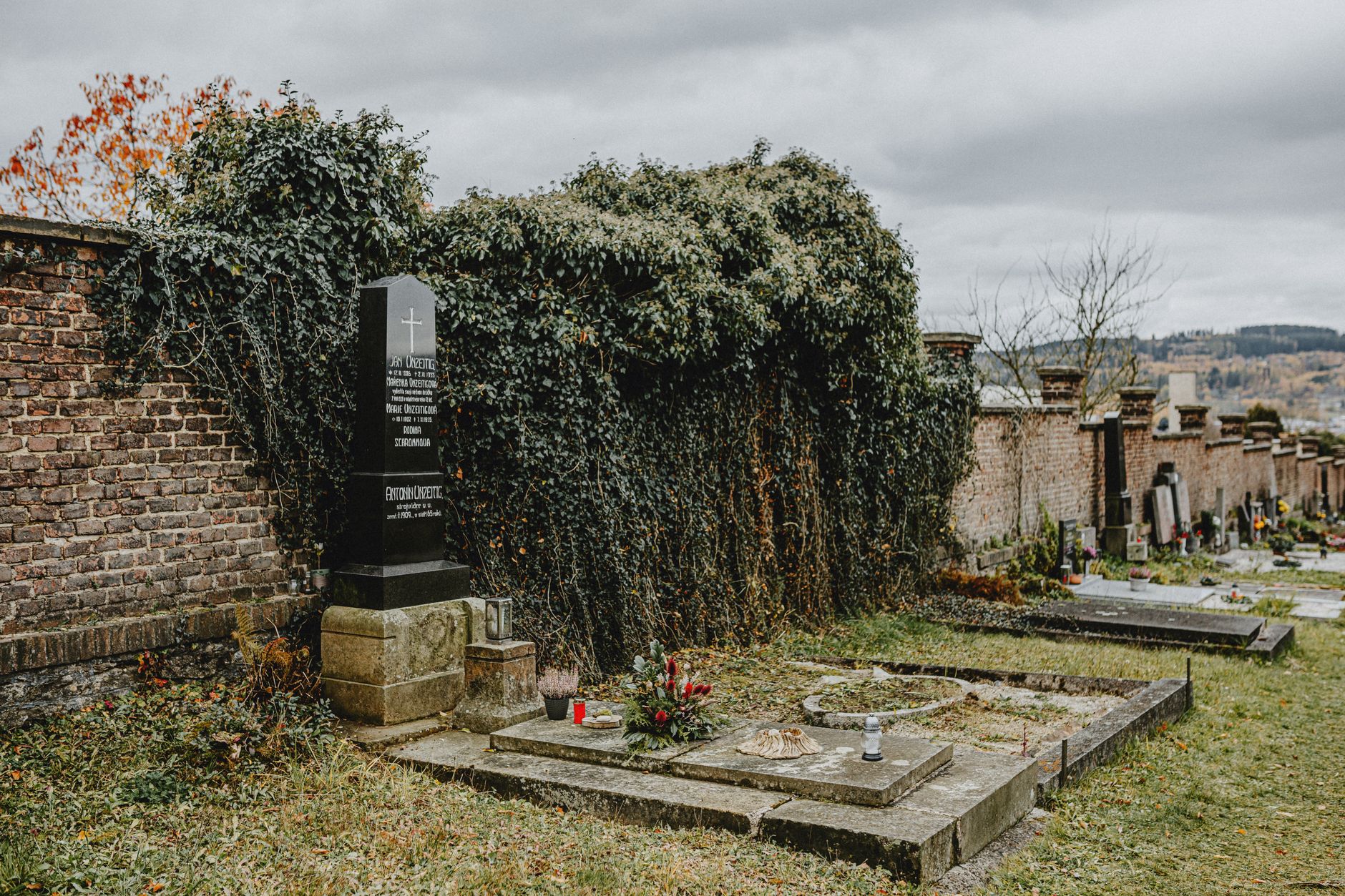
Some memorial masons now offer a small plaque or tag with a QR code that opens a page about the person: photos, a short life story, maybe a favourite song. Stand at the grave, scan with your phone, and a life appears on screen.
It is lovely for descendants who never met the person. It is also a real talking point. Churchyard memorials generally need approval from the parish, and many churches and cemeteries have strict rules on what can be added, so check with them first. There is also the question of who keeps the web page alive in thirty years. A stone lasts. A subscription might not.
3. Online tribute and memorial pages
Many funeral directors now set up a page where people can leave messages, share photos and light a virtual candle. It gives a place for the people who could not attend, and the family ends up with a collection of memories they never knew existed.
The catch is public visibility. Check privacy settings and who can post, because a open page can attract unkind comments as well as kind ones.
4. AI tools for writing tributes
This is the most divisive. Generative AI tools can turn a few bullet points about someone’s life into a draft eulogy or obituary in seconds. For a person who is exhausted, grieving and has never written a speech, that can break the blank-page paralysis.
My view: use it as a scaffold, not a ghostwriter. A draft will happily say someone was a "beloved pillar of the community" when what you want is the story about the caravan and the burnt sausages. Put in the specific details, and rewrite the result in your own voice. Guests can tell when the words are not yours, and the eulogy is one of the last things you will ever say for them.
5. Digital paperwork and planning
Arranging a funeral involves a startling amount of admin. The government’s guidance on what to do after a death shows how many steps there are, from registering the death to dealing with the estate. Funeral directors increasingly handle parts of this online, with e-signatures, digital order-of-service proofs and text updates.
It is the same quiet shift happening across public services, as we covered in our look at how GOV.UK Notify sends millions of texts and emails. Done well, it means fewer phone calls at a time when you least want to make them.
6. The email problem nobody plans for
Here is a very practical wrinkle. When a family emails the livestream link, the order of service and the directions to the wake, it is vital those messages actually arrive. A funeral director’s email that lands in a guest’s spam folder can mean someone misses the service entirely.
Mail Tester, a UK free email spam test, checks a message’s SPF, DKIM and DMARC settings, blacklist status and content, then explains how to fix each problem (mail-tester.co.uk). For any small firm sending bulk notices, that kind of check is worth running before the sad day rather than after, as it is ordinary internet and computer housekeeping that tech support teams deal with constantly.
If you are the family doing the sending, the simpler route is to send from an established address, keep the message plain, and follow up with a text to anyone who has not confirmed.
7. Digital legacies and online accounts
Photos in the cloud, social media profiles and subscription accounts all need dealing with. Some platforms offer memorialising or legacy contact settings, and funeral directors are starting to raise the subject during arrangements. It is not glamorous, but it is the part many families say they wish they had thought about sooner.
What do grieving families actually think?
The honest picture is mixed, and it depends on whether the technology adds something or replaces something. Livestreaming is widely welcomed because it includes people. QR memorials split opinion between "what a lovely idea" and "I do not want a screen in a churchyard". AI-written words are the most uncomfortable, with many people feeling that a eulogy ought to cost the writer some effort.
A fair rule of thumb: technology works best when it helps people show up, remember or share, and worst when it tries to do the feeling for them.
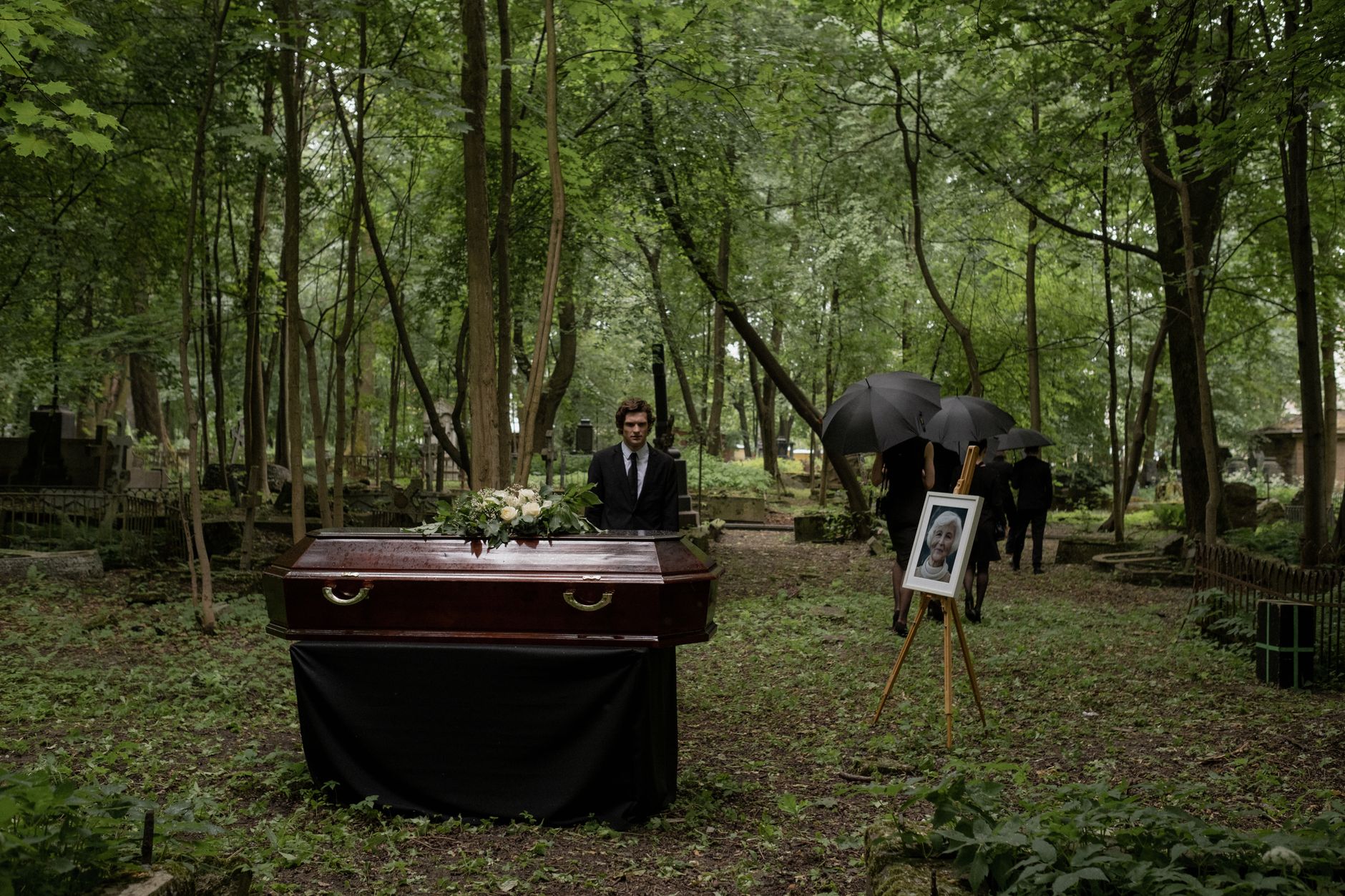
If you are arranging a funeral, ask your funeral director which of these they offer, what each costs and how long any online page will stay live. Then pick only what the person, and the people who loved them, would actually want.



Leave a Reply