

Picture a typical dairy farm at 5am in November: dark, cold, and one farmer with a torch trying to work out which of 200 cows is a bit off. That is the everyday problem behind precision livestock farming in the UK, where sensors, cameras and software now help spot a poorly animal before it is obvious to the human eye. The idea is simple. The headlines, though, tend to get it wrong, so let’s take the common beliefs one at a time.
Myth 1: farmers are strapping tiny cameras to cows
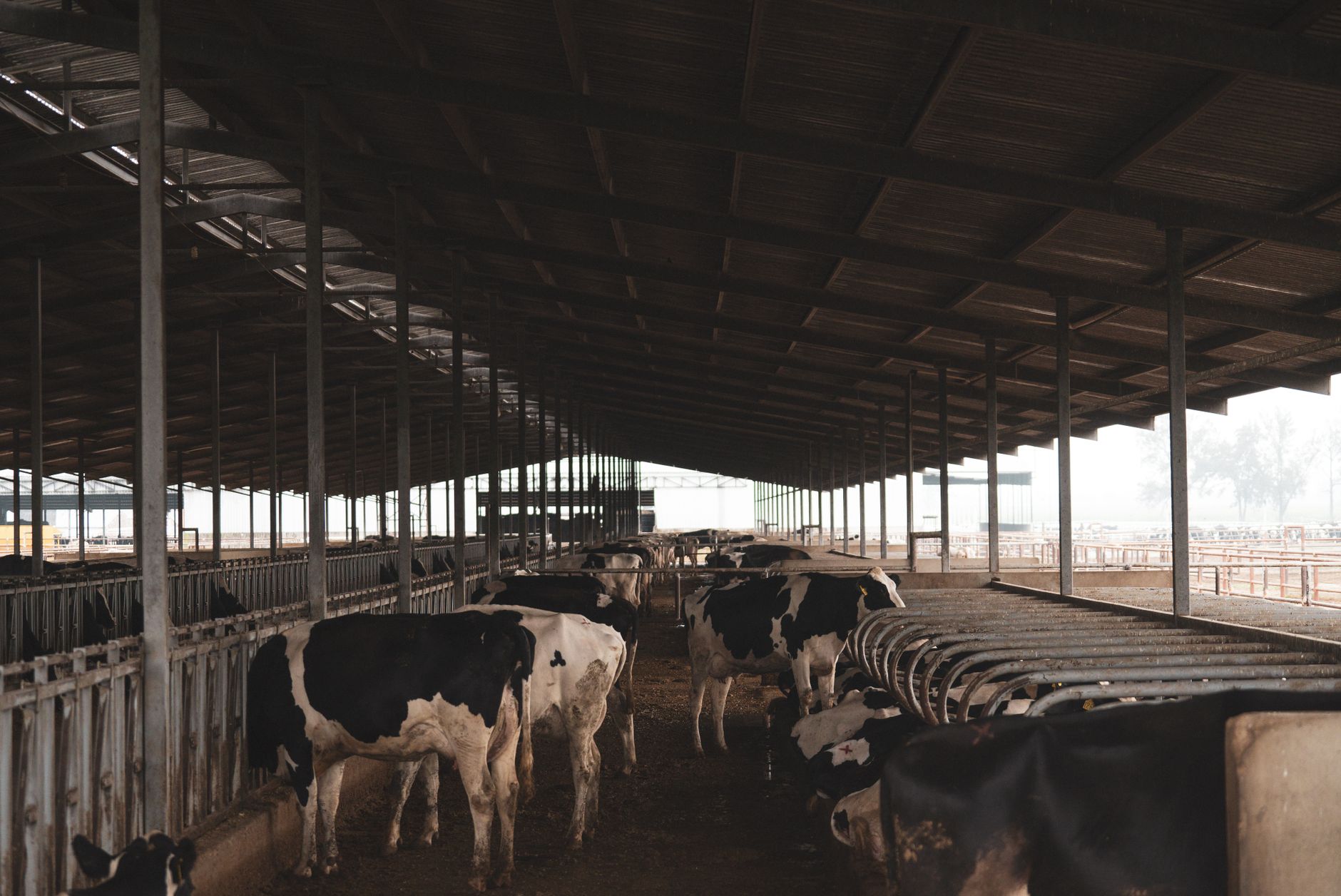
Mostly not. The wearable kit on British farms is far more likely to be an accelerometer on a collar, ear tag or leg strap than a camera. These devices record movement, and software turns that into estimates of how long an animal spends eating, ruminating, lying down and walking. Cameras do exist, but they are usually fixed overhead in sheds or parlours, where they can track body shape, gait or position without anything hanging off the animal.
So the catchy "cow with a GoPro" image is a bit of a fib. The reality is less photogenic but more useful: a steady stream of small data points about each animal, every day.
Myth 2: the AI replaces the stockperson
It doesn’t, and the better systems don’t pretend to. Software flags an animal that is behaving differently from her own usual pattern, for instance eating less or lying down for longer. A person still has to walk over, look at her and decide what is wrong. Think of it as an alert that says "look at cow 114 first", not a vet in a box.
That matters because a herd of hundreds is hard to watch closely. Subtle changes, such as a slightly shorter feeding bout, are exactly what tired humans miss and what an algorithm is good at catching.
Myth 3: this is just a gadget craze
The motivation is partly financial and partly regulatory. Early detection of conditions such as mastitis or lameness can mean treating one animal quickly rather than a problem that spreads. Farm assurance schemes and the veterinary profession have pushed hard for responsible use of antibiotics for years, and the Veterinary Medicines Directorate publishes UK sales and use data on antibiotics in animals. Better monitoring gives farmers a reason, and evidence, to treat only the animals that need it.
This sits alongside the wider shift in British agriculture towards data-led methods. We covered the arable side of that in our piece on satellite imagery and soil sensors on UK farms. Livestock monitoring is the same idea, pointed at animals instead of soil.
Does precision livestock farming reduce antibiotic use?
It can, but it is a tool rather than a guarantee. Earlier detection lets a vet or farmer choose a targeted treatment, or intervene before an illness becomes severe enough to need stronger drugs. Reducing antibiotic use also depends on housing, nutrition, hygiene and vaccination, so monitoring is one part of a bigger plan. Anyone promising a precise percentage cut from a single gadget is selling something.
Myth 4: only huge estates can afford it
Large dairy units were the early adopters, because collars and parlour systems pay back faster across big herds. But the technology has been getting cheaper, and some systems are sold as a subscription rather than a big upfront cost. Smaller family farms are more likely to start with a limited set of sensors, such as heat detection for breeding, and add features later. Cost is still a real barrier, and rural broadband and mobile signal are an equally practical one.
That connectivity gap is a familiar British story. If a shed has patchy signal, the cleverest software is no use. Some villages have taken matters into their own hands, as our look at how small businesses dodge costly overheads hints at in a different context: when the standard route is too pricey, people find workarounds.
Myth 5: the animals are being tormented by surveillance
Wearable sensors for cattle are generally light and designed to sit like a collar or ear tag, and the goal is to catch distress sooner rather than cause it. Animal welfare groups tend to welcome early detection of pain and illness, though they also point out that technology should not become a substitute for good stockmanship or an excuse to keep more animals in worse conditions. Welfare is judged by how animals live, not by how many data points they generate.
What the data actually teaches farmers
The real lessons are often mundane. Patterns show which animals struggle after calving, how a change of feed affects rumination, and whether a heatwave or a cold snap changes behaviour across the whole group. Farmers who once relied on instinct now have a record to check that instinct against. Good stockpeople often say the data confirms what they suspected, only earlier and with a date attached.
What should you look for if you are curious?
If you want to see how this works in practice, start with the official side. The Veterinary Medicines Directorate publishes information on antibiotic use in UK animals, which is the backdrop for why monitoring matters. Then look at farm open days and agricultural shows, where suppliers often demonstrate collars and software in person.
For readers who buy meat or dairy, the practical step is to look at farm assurance labels such as Red Tractor or retailer welfare policies, and ask producers how they monitor animal health. The technology is spreading, but the label on the pack still tells you more about standards than any sensor does.
Frequently Asked Questions
What is precision livestock farming?
Precision livestock farming means using sensors, cameras and software to monitor individual animals continuously. Instead of checking a whole herd by eye, farmers get data on things like feeding, movement and rest, so they can spot changes in health or behaviour earlier.
Do UK farmers really put cameras on cows?
Rarely on the animals themselves. Most wearables are collars, ear tags or leg straps with motion sensors. Cameras are more often fixed in sheds or parlours, where software can analyse movement, gait and body condition without anything attached to the cow.
Can AI tell when a cow is ill?
AI can flag behaviour that departs from an animal’s normal pattern, such as eating less or lying down longer. That is a warning sign, not a diagnosis. A stockperson or vet still needs to examine the animal and decide on treatment.
How does monitoring help cut antibiotic use?
Spotting illness early lets farmers and vets treat only the animals that need it, and sometimes act before a problem spreads. It supports responsible use of antibiotics but works best alongside good housing, hygiene, nutrition and vaccination.



Leave a Reply