

Next time you’re in your local supermarket, take a closer look at the shelf edges. Chances are, some of those little price tags have gone a bit… glowy. Small screens, thin as a credit card, now sit where paper labels used to be. They flash, they update, they never need a pair of scissors or a fresh printout. Supermarket electronic shelf labels in the UK are rolling out faster than most shoppers have noticed, and the questions they raise are genuinely interesting.
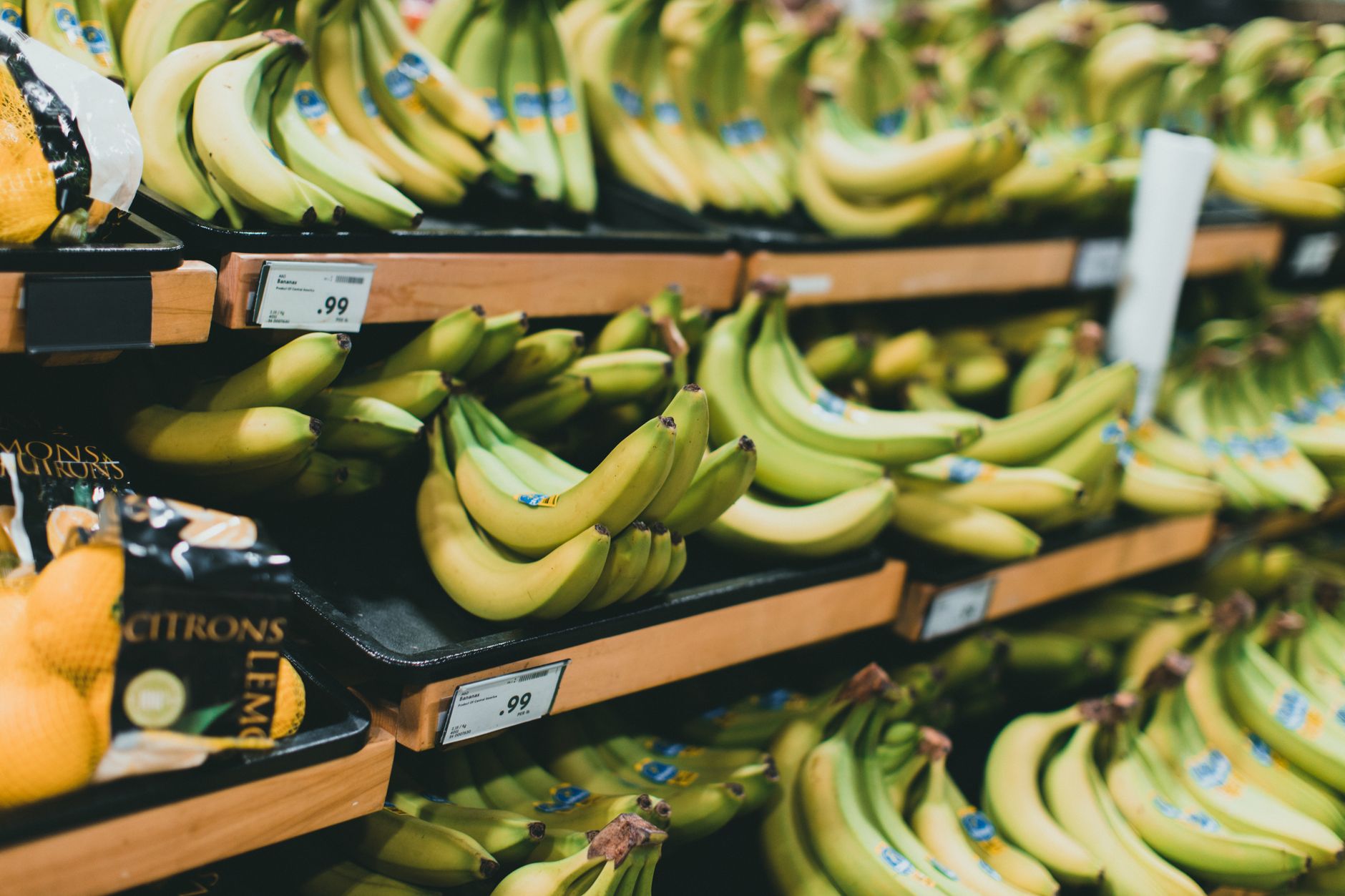
What exactly are electronic shelf labels and who’s using them?
Electronic shelf labels (ESLs) are small e-ink or LCD displays attached to the shelf edge that connect wirelessly to a central system. When a price changes in the back-end, every relevant label updates automatically across the entire store in seconds. No paper waste, no staff spending hours re-ticketing 30,000 product lines after a promotion kicks in at midnight.
Tesco has been quietly trialling them across a growing number of stores, particularly in larger superstores and some Express formats. Sainsbury’s has piloted them in selected locations too. Lidl, whose German parent company Schwarz Group has been rolling out ESL technology aggressively across Europe, is bringing the same approach to its UK sites. Even smaller players like Co-op have run localised pilots. The technology itself isn’t brand new, but the scale and pace of UK adoption in 2026 is genuinely picking up speed.
I visited a Tesco Extra in late 2025 where roughly a third of the chilled aisle already had them installed. They looked almost indistinguishable from printed labels at first glance. Then one updated right in front of me, and I admit it gave me a slightly uncanny feeling, like the shelf itself had just made a decision.
Why supermarkets love them (and it’s not entirely cynical)
The operational case for ESLs is pretty strong. A typical large supermarket might carry 25,000 to 40,000 product lines. Repricing a promotion manually takes staff hours. An ESL system can push thousands of price changes simultaneously. Retailers say this reduces pricing errors, cuts paper waste, and frees up staff time for tasks that actually require a human, like helping a confused customer find the tahini.
There’s also an environmental angle. The BBC has reported on the broader push from major retailers to reduce paper consumption across their operations, and ESL systems fit into that narrative neatly. Whether it’s primarily motivated by sustainability or cost savings probably depends on which part of the business you ask.
The big question: is dynamic pricing actually coming to UK supermarkets?
This is where it gets spicy. Dynamic pricing, the practice of changing prices in real time based on demand, time of day, or stock levels, is already completely normal in sectors like airlines, hotels, and Uber. ESL technology makes it technically possible in supermarkets for the first time at scale. So the obvious question is: are Tesco and Sainsbury’s about to start charging you more for a pint of milk at 5pm on a Friday?
The supermarkets themselves are being careful with their language. Tesco has spoken publicly about using ESLs for faster promotional pricing rather than demand-based fluctuation. The framing is always around giving customers better deals more quickly, not about squeezing more money out of a busy teatime rush. But the infrastructure, once it’s in place, doesn’t care about framing.
Which? has raised concerns directly. The consumer group has warned that while ESL technology itself is neutral, the combination of loyalty card data, real-time stock information, and instant price-changing capability creates conditions where personalised or time-sensitive pricing becomes very easy to implement. Their worry isn’t necessarily that it will happen tomorrow, but that there’s currently no specific regulatory framework preventing it.
The Competition and Markets Authority (CMA) has been watching the broader dynamic pricing question across multiple sectors. In their 2024 report on pricing practices, they flagged that transparency for consumers must be maintained as digital pricing tools become more common. Whether supermarket-specific rules follow remains to be seen.
What consumer rights groups want to see happen
The core concern from groups like Which? and Citizens Advice isn’t that prices will change, they already change constantly in supermarkets. It’s about whether shoppers will know a price has changed between picking something up and reaching the checkout. With paper labels, a misprint is an honest mistake. With dynamic pricing on ESLs, a price that’s different at the till from the one you saw on the shelf two minutes ago becomes a much murkier situation.
Current consumer law under the Consumer Rights Act 2015 requires that the price displayed is the price you pay, but enforcement gets complicated when displays can update in real time. The Chartered Trading Standards Institute has said retailers have a responsibility to ensure the shelf price and till price always match, and that dynamic pricing models would need very careful implementation to stay legal. That’s the kind of quiet but important regulatory conversation happening right now.
I’d also point out that there are accessibility implications nobody is talking about loudly enough. Some ESL displays use low-contrast text, and the small screen size can be hard to read for people with visual impairments. The transition from large-print paper labels to tiny digital screens isn’t universally an improvement. This echoes some of the concerns raised around cashless payment rollouts at UK festivals, where convenience for some created real barriers for others.
Could ESLs actually benefit shoppers?
In fairness, yes. Some retailers in Denmark and the Netherlands have used ESL systems to mark down short-dated food products automatically as they approach expiry, a genuinely useful feature that reduces waste and gives shoppers a real deal. If Tesco used the same logic to automatically apply a 40% reduction to that lonely packet of chicken mince at 7pm rather than waiting for a member of staff to get round to it, that’s a net positive.
There’s also the potential for ESLs to display richer product information, nutritional data, allergen warnings, country of origin, all on the same small screen. Whether retailers will actually use that capability, or just use it for price changes, is the open question.
The technology itself is clearly here to stay. The interesting battle is over who gets to set the rules for how it’s used. Right now, the answer is largely: the supermarkets themselves. That might be fine. Or it might be the kind of thing we look back on in five years and wonder why nobody asked harder questions while the labels were still being installed.
It’s a bit like the conversation around supermarkets quietly replacing shelf-stacking with robots, or even the broader pattern of digital infrastructure quietly reshaping everyday life before most people notice it’s happened. The shelf labels aren’t dramatic. They’re small. But the decisions being made around them are anything but.
Frequently Asked Questions
What are electronic shelf labels and how do they work in UK supermarkets?
Electronic shelf labels are small digital displays fitted to shelf edges that connect wirelessly to a store’s central pricing system. When a price changes in the retailer’s database, the label updates automatically across the whole store within seconds, replacing the need for staff to manually swap printed paper price tags.
Which UK supermarkets are using electronic shelf labels?
Tesco, Sainsbury’s, Lidl, and Co-op have all run trials or active rollouts of ESL technology in selected UK stores as of 2026. Lidl’s parent company Schwarz Group has been particularly aggressive in adopting ESLs across its European estate, and that approach is being mirrored in UK locations.
Does the use of electronic shelf labels mean dynamic pricing is coming to UK supermarkets?
Not automatically, but ESL technology does make dynamic pricing technically straightforward. UK supermarkets have publicly positioned ESLs as tools for faster promotional pricing rather than demand-based price fluctuations, but the CMA and Which? have flagged that clearer regulations may be needed as the technology becomes more widespread.
Are electronic shelf labels legal if prices change before you reach the checkout?
Under the Consumer Rights Act 2015, the price displayed must match what you’re charged at the till. The Chartered Trading Standards Institute has made clear that dynamic pricing models would need careful implementation to remain compliant. If you’re charged more than the shelf price showed, you have grounds to challenge it.
Could electronic shelf labels actually save shoppers money?
Potentially yes. Some European retailers already use ESL systems to automatically apply markdowns to short-dated food as it approaches expiry, reducing waste and passing savings to shoppers in real time. Whether UK supermarkets adopt this approach depends on how they choose to use the technology beyond basic price management.




Leave a Reply