

Somewhere in rural Perthshire, there is a 10-square-metre patch of ground that belongs to a bloke in Croydon who bought it during his lunch break for £29.99. He has never been there. He might never go. And yet, technically, he is a Scottish landowner. Welcome to the genuinely strange and quietly booming world of buying land in UK online micro plots, where the dream of owning a slice of countryside has been sliced, packaged, and sold at a price point lower than a large pizza.
This is not a niche hobby anymore. Websites like Highland Titles, Established Titles (before its viral controversy), and a growing cluster of newer platforms have shifted hundreds of thousands of small land parcels over the past decade. The market has accelerated since 2020, when lockdowns made city dwellers suddenly nostalgic for open space they couldn’t reach. Searches for rural land ownership spiked, and a whole cottage industry of micro-plot vendors sprang up to meet them. Some of these businesses are perfectly legitimate conservation projects. Others are… let’s say, creatively marketed.
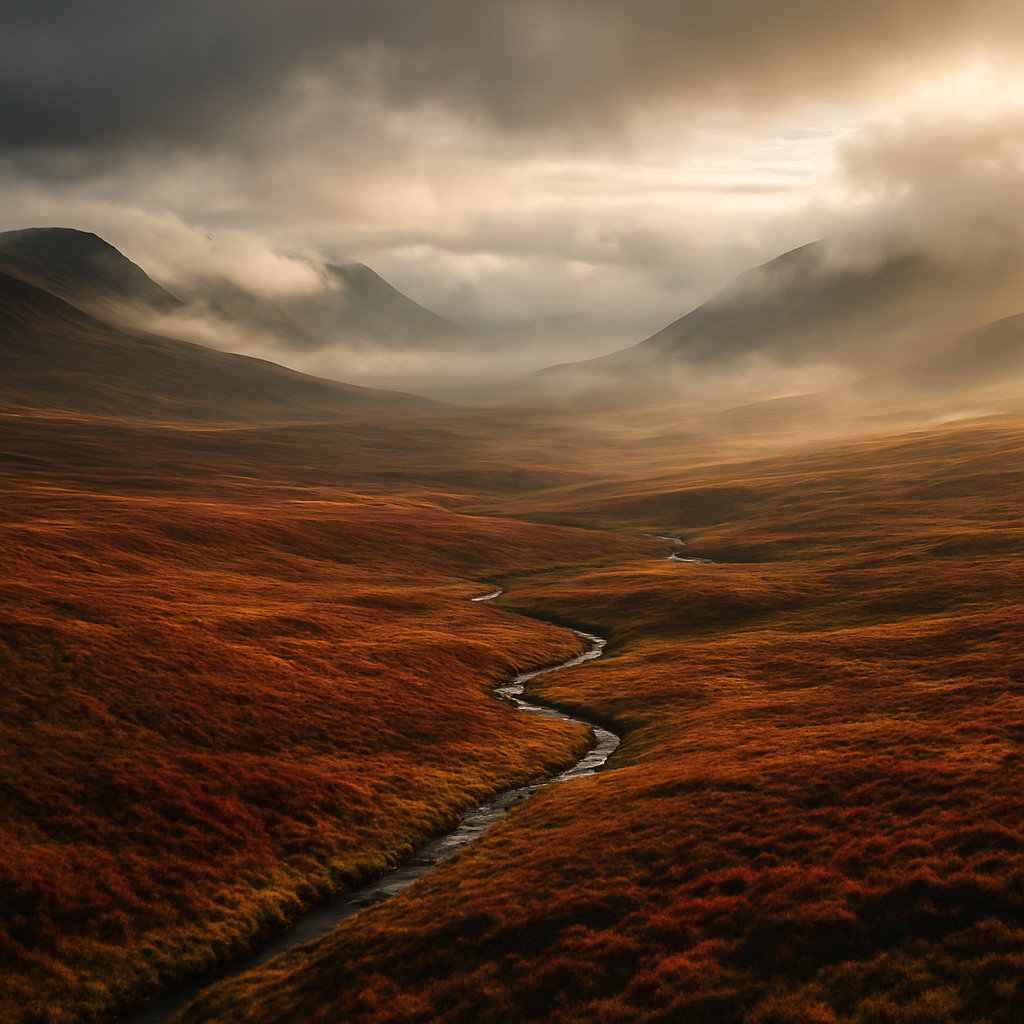
What Do You Actually Own When You Buy a Micro-Plot?
This is where it gets interesting, and also where a lot of buyers get a surprise. In Scotland, land law operates differently to England and Wales. Under Scots law, land ownership requires registration in the Registers of Scotland to be legally recognised. A parcel smaller than 0.5 hectares cannot be individually registered as a separate title in most cases, which means your 10-square-metre plot almost certainly does not appear in the Land Register with your name on it.
What you typically receive instead is a personal title deed, which is a document that looks impressive and may well be beautifully printed on parchment-style paper, but which carries no legal weight in Scots property law. The underlying title remains with the company that sold it to you. You are, in effect, a beneficiary of a souvenir arrangement rather than a genuine landowner in any enforceable sense.
That does not mean you’ve been robbed. Most reputable micro-plot companies are upfront that what they sell is a gift experience with conservation value attached. Highland Titles, for example, manages nature reserves in Argyll and uses the proceeds for rewilding. Buyers who understand what they’re getting, essentially a fun novelty with a conservation donation wrapped inside it, often come away perfectly happy. The problem arises when the marketing leans heavily on phrases like “become a Scottish Laird” without making the legal situation crystal clear.
Woodland Parcels Are a Different Kettle of Fish
Actual woodland ownership is another matter entirely, and a genuinely growing market. Platforms like Sylva Foundation and various land auction houses are seeing real demand from UK buyers wanting to own an actual, legally registered parcel of woodland, typically ranging from half a hectare up to several hectares. These are real purchases, with proper solicitor involvement, Land Registry or Registers of Scotland entries, and actual boundaries you can walk.
Prices vary wildly. Ancient woodland in the Scottish Highlands might go for £3,000 to £8,000 per hectare. Productive commercial forestry in Wales or the Borders can run significantly higher. Some buyers are motivated by environmental values, others by the idea of having a genuinely private outdoor space for camping, foraging, or simply wandering around. The Woodland Trust estimates woodland coverage in the UK sits at around 13%, one of the lowest rates in Europe, which adds a conservation dimension to every sale.
The Viral Problem That Shook the Market
In late 2022, a video exposé on YouTube tore into Established Titles, a company that had run enormous social media ad campaigns suggesting buyers were purchasing genuine Scottish aristocratic titles. The backlash was swift, enormous, and pretty entertaining to watch unfold in real time. The company subsequently pivoted its messaging and faced significant scrutiny. The incident did something useful, though: it forced the broader micro-plot sector to tighten up its claims and made buyers considerably more sceptical.
Since then, buying land in UK online micro plots has become a more cautious transaction. Buyers ask harder questions. Reputable vendors publish their conservation credentials more prominently. And a few dodgy operators have quietly disappeared from the search results. Progress, of a sort.
Why People Keep Buying Anyway
The honest answer is that the appeal is real, even when the legal ownership isn’t. There is something genuinely satisfying about pointing at a map and saying “that bit, right there, that’s mine.” For city dwellers cooped up in a third-floor flat in Leeds or a terraced house in Bristol, the psychological pull of having any relationship with land, however nominal, is surprisingly powerful.
Gift-givers love it. It solves the perpetual problem of what to buy the person who has everything. A plot certificate in the Scottish Highlands, a framed map with a named area circled in red, and a backstory about rewilding feels infinitely more interesting than a gift voucher. The gifting angle has probably driven more micro-plot sales than any conservation argument ever could.
And for those who want something more substantial, actual small-acreage land sales via platforms like Landlink, LandWatch UK, and traditional estate agents have also ticked upward. People are buying actual fields, paddocks, and small woodland plots as genuine assets, sometimes for growing food, sometimes just because they can, and sometimes as a very slow-burn investment play on rising rural land values.
What Should You Check Before You Buy?
If you’re eyeing up buying land in UK online micro plots, a few practical checks are worth doing before you hand over any money. For micro-plots marketed as novelty gifts, check whether the company has genuine conservation credentials, look for charity registration numbers or partnerships with named environmental organisations, and read the small print about what the “deed” actually confers.
For genuine woodland or rural land purchases, you want a solicitor experienced in rural property (especially if buying in Scotland, where the legal system differs from England and Wales), proper title searches, and clarity on access rights, which in Scotland are governed by the Land Reform (Scotland) Act 2003 and are quite different from English common law. Boundary disputes on unregistered rural land can be genuinely messy, so getting everything formally recorded is non-negotiable.
The micro-plot market is, at its best, a charming collision of conservation funding, romantic escapism, and the internet’s ability to sell anything to anyone. At its worst, it’s a novelty that oversells its legal substance. The trick is knowing exactly which one you’re buying into, and being fine with it either way.
Frequently Asked Questions
Is buying land in UK online via micro-plot sites legally recognised?
For very small plots in Scotland, typically under 0.5 hectares, individual registration in the Land Register is generally not possible, so the personal deed you receive carries no enforceable legal ownership rights. Most reputable micro-plot companies sell these as novelty or conservation gifts rather than genuine property transfers. Larger parcels bought through proper land auctions or estate agents can be fully registered and are legally recognised.
Can I call myself a Scottish Laird if I buy a micro-plot?
Some companies market their plots with the suggestion that buyers can use the title of Laird, Lord, or Lady. These are not legally recognised titles in the UK and carry no social or legal standing. The Court of the Lord Lyon in Scotland oversees heraldic titles, and a souvenir land deed grants no rights under that system whatsoever.
How much does a micro-plot of Scottish land cost?
Novelty micro-plots typically range from around £25 to £60 for a very small square of land, often sold as a gift package with a certificate and map. Genuine small woodland or rural land parcels in Scotland can cost anywhere from £3,000 to over £10,000 per hectare depending on location, tree cover, and access. These are entirely different products despite sometimes being marketed similarly.
What rights do I have on a woodland plot I actually own legally?
On a formally registered woodland plot, you generally have the right to use the land, manage the trees, camp, and restrict others from certain activities, though Scottish access law under the Land Reform (Scotland) Act 2003 gives the public broad rights to roam responsibly on most land. You cannot build permanent structures without planning permission, and any felling of trees may require a felling licence from Forestry Commission Scotland.
Leave a Reply