Somewhere right now, a woman in Ludlow is selling a taxidermied fox in mint condition for £45. Three people have already commented “PM’d” and a fourth has posted a slightly passive-aggressive “Is this still available?” even though it went up four minutes ago. Welcome to the parallel universe of UK Facebook buy and sell groups, where everything is for sale, nothing is too strange, and the unwritten rules are more complex than the Highway Code.

I’ve been lurking in these groups for years now, originally to find cheap furniture, eventually just for the entertainment. And the more time I spend in them, the more convinced I become that they represent one of the most genuinely interesting micro-economies in Britain. Millions of pounds change hands every week through groups that look, on the surface, like complete chaos. But there’s a system here. A surprisingly intricate one.
How big are UK Facebook buy and sell groups, really?
Facebook Marketplace gets most of the attention, but the real action is in the closed groups. According to BBC Technology, community groups and local buy/sell pages remain among the most actively used features on Facebook in the UK, particularly outside major cities where alternatives like Gumtree or Vinted feel less personal. In rural areas especially, these groups function less like an app and more like a village notice board that happens to reach 12,000 people.
A single mid-sized county might have forty or fifty active groups: one for general selling, one specifically for kids’ stuff, one for gardening equipment, one inexplicably dedicated to “vintage and preloved,” and at least two that appear to be competing with each other for reasons lost to local history. Each has its own admin team, its own pinned rules post, and its own culture. South London groups move fast and brutal, items go in minutes, prices are firm, and buyers who ask “what’s your best price?” are treated with thinly-veiled contempt. Rural Welsh groups are more relaxed; you might get a three-paragraph description of where the kettle came from before anyone mentions the price.
The unwritten rules everyone actually follows
The pinned rules post in most groups is standard stuff: no selling animals, no replica goods, photos required, price must be stated. But the real rules? Those live in the collective memory of the membership.
Rule one: “PM’d” is a declaration of serious intent, not a casual opener. If you post “PM’d” and then ghost the seller, you are done in that group. Word gets around. Rule two: if someone posts “postage?” on a listing that says “collection only,” expect to be publicly shamed by three retired schoolteachers. Rule three: the admin is always, without exception, slightly drunk on power. Every group has that one mod who removes listings for microscopic rule violations and posts passive-aggressive reminders about “keeping it friendly.”
Then there’s the sacred ritual of the price negotiation. Asking for “best price” is acceptable in most groups, but only once, and only via DM. Posting it publicly is the group equivalent of asking someone their salary at a dinner party. Counter-offers are expected to be within 15-20% of the asking price, anything below that and you’ll get a brisk “No thank you” and possibly a screenshot shared in the admin’s private chat.
What’s actually selling out there
The range of stuff moving through these groups is genuinely staggering. In a single morning’s scroll through a Shropshire group I follow, I spotted: a barely-used bread maker (£8), a full set of 1970s encyclopaedias (free to collector), a horse trailer (£2,200), twelve empty wine bottles (“for crafting”), and a man offering to collect old mattresses with a worrying lack of explanation for why.
In South London groups, the pace and inventory are completely different. Street-market-adjacent stuff dominates: vintage clothing, old vinyl, football shirts, household clearances from flats. Items that would sit for three weeks in a Shropshire group are gone in eight minutes in Brixton. I’ve seen someone list a cracked phone screen protector for £1 and get seventeen replies. The appetite is extraordinary.
What’s interesting is how these groups have quietly filled gaps left by the death of physical car boot sales during the pandemic, and that gap hasn’t fully closed even now. It’s a similar spirit to the UK’s ghost brand economy, where familiar formats survive in unexpected new shapes. The car boot didn’t die; it moved online and got searchable.
The surprising things people find
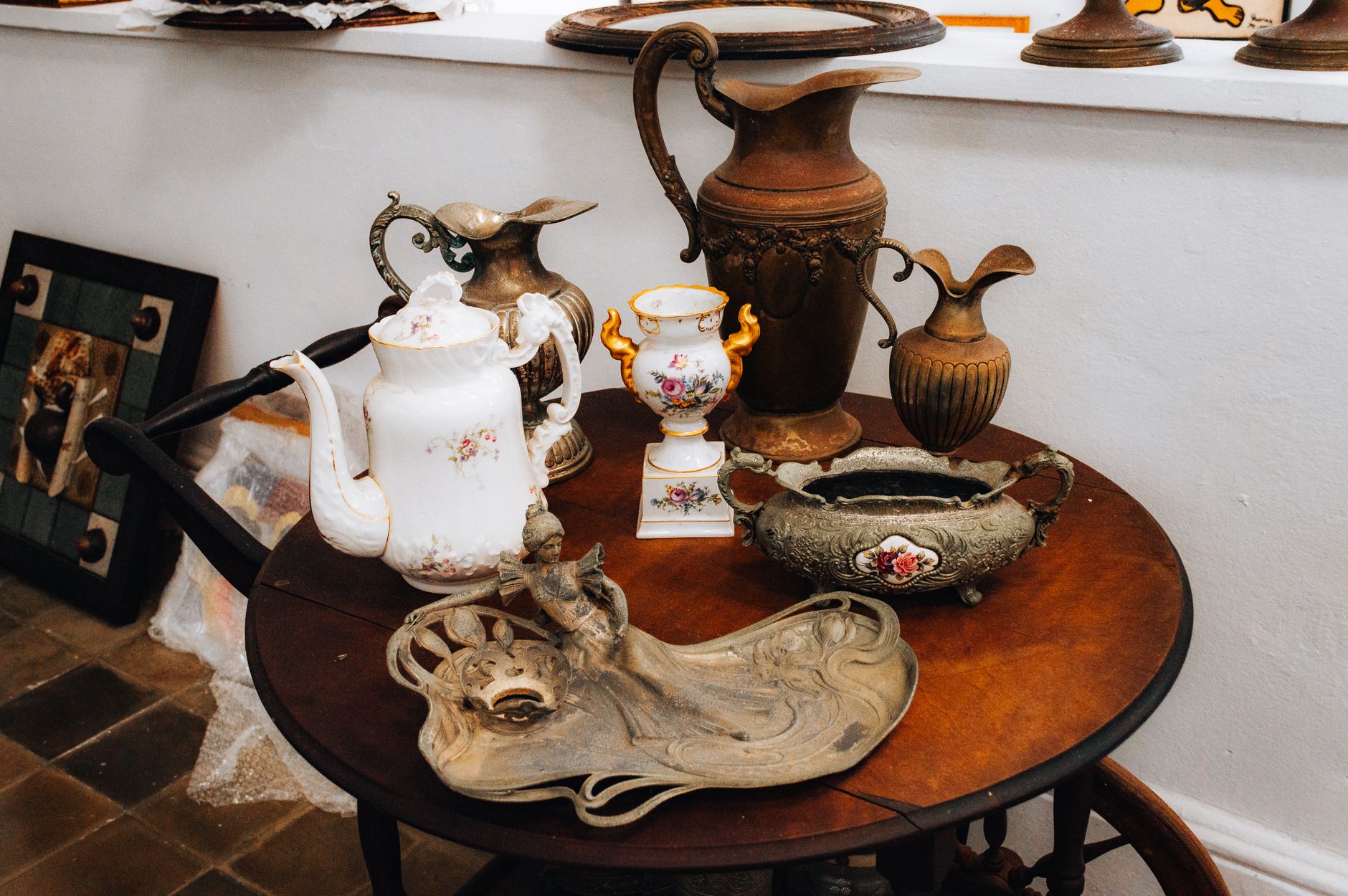
Ask anyone who’s been in these groups long enough and they’ll have a story. A mate of mine in Nottingham found an original 1960s Ercol chair for £20 because the seller thought it was “just old.” Someone in my local group once listed what they described as “a weird old tin” that turned out to be a First World War field ration container. A collector from Birmingham drove two hours for it and paid £180.
The provenance stories that accompany items are their own entertainment. “Belonged to my nan,” “was in the shed when we moved in,” “not sure what it is but it’s heavy”, these are the listings that attract the hunters. There’s a whole community of pickers and resellers who treat Facebook groups the way a prospector treats a riverbed. I’d argue some of them are running surprisingly serious businesses off the back of it, buying low locally and flipping via eBay or Vinted nationally.
This feeds into a broader shift in how Brits are managing money and possessions. The same instinct driving the buy-and-sell boom is pushing people toward cashless local transactions, which is its own complicated story, as I explored in the piece about Britons living entirely cashless and why that still causes real problems in certain parts of the country.
When things go wrong (and they do)
It’s not all charming discoveries and wholesome exchanges. Scams are a persistent problem. The most common one: a buyer “accidentally” sends too much money via bank transfer and asks for the overpayment back before the original payment clears. It’s crude, but it catches people regularly. Some groups now insist on cash only, which creates its own friction.
Fake listings for high-value items are another issue, expensive bikes, gaming consoles, tools, posted at suspiciously reasonable prices to harvest DMs and personal details. Admins do their best, but they’re volunteers with day jobs and limited tools. The platforms doing it properly, like ACE ABC, are increasingly the benchmark for what trustworthy local service listings should look like by comparison.
The community policing is actually pretty effective, though. Call-out posts, where someone warns the group about a bad buyer or dodgy seller, spread fast. Most groups have a zero-tolerance policy on them to avoid legal issues, but they happen anyway, usually disguised as “just a word of warning” posts that everybody immediately understands.
Why these groups aren’t going anywhere
Every few months someone predicts that Facebook buy and sell groups will collapse as the platform ages. And every few months, three more groups spring up in places that already have twenty. The hyperlocal angle is the thing that keeps them sticky. You can sell a sofa on Gumtree or eBay, but you can’t post “does anyone know a good cheap plumber in Oswestry” on eBay. These groups blend commerce with community in a way no algorithm-driven marketplace has managed to replicate.
There’s also something genuinely joyful about them. The chaos, the drama, the occasional taxidermied fox. In a world of sleek apps and frictionless checkouts, there’s real pleasure in a transaction that involves three DMs, a slightly awkward handover in a Tesco car park, and the seller telling you the full history of the item while you stand in the drizzle. Very British. Wouldn’t have it any other way.