Something funny has happened to the British high street. While newspapers spent years predicting its death, a quiet resurrection has been taking place, not in the form of new Primarks or phone repair kiosks, but in the shape of independent coffee shops, refurbished libraries and bookshops with actual armchairs in them. Third spaces remote working UK is a phrase that would have baffled most people five years ago. Now it describes the daily reality of millions of Brits who have no intention of ever sitting in a fluorescent-lit open-plan office again.
Remote working didn’t just change where people work. It changed which places survive. And if you’ve noticed your local café suddenly packed with people nursing flat whites and typing furiously at 11am on a Tuesday, you’re watching an economic and social shift that’s still very much in progress.

What is a third space, and why is everyone suddenly living in one?
The term comes from sociologist Ray Oldenburg, who used it to describe places that aren’t home (first space) or work (second space) but somewhere in between: pubs, barbershops, libraries, community halls. The idea is that these places are essential to social fabric. What nobody predicted was that the pandemic would shunt millions of workers out of their second spaces permanently, and those third spaces would quietly mutate into de facto offices.
According to the ONS, around 28% of UK workers still work from home at least some of the time in 2026. That’s millions of people who need somewhere with decent Wi-Fi, a coffee they didn’t make themselves, and the ambient noise of other humans to stop them going quietly mad in their spare bedroom. They’ve landed squarely in the lap of the hospitality and leisure sector.
Coffee shops are doing something clever
The big chains spotted this early. Pret a Manger launched its subscription model partly to capture the daily remote worker. Costa Coffee has been installing more power sockets and better seating layouts at dozens of locations. But the independents are often doing it better, and doing it faster.
I’ve visited a fair few of these places in the past year, and the pattern is pretty clear: the ones thriving are the ones that have deliberately leaned in. Longer opening hours. Quieter back rooms with plug sockets at every table. “Laptop-friendly” labelling on Google Maps listings. Some are now selling monthly “work packages”, essentially an unlimited coffee membership with a reserved workspace for £60-£90 per month. For someone whose employer no longer pays for a desk, that’s not a bad deal.
Small independent operators are also getting savvier about their online presence to attract remote workers searching for good spots. A well-built website from a local agency like WDM can be the difference between appearing in “best cafes to work from in Nottinghamshire” results or not appearing at all.
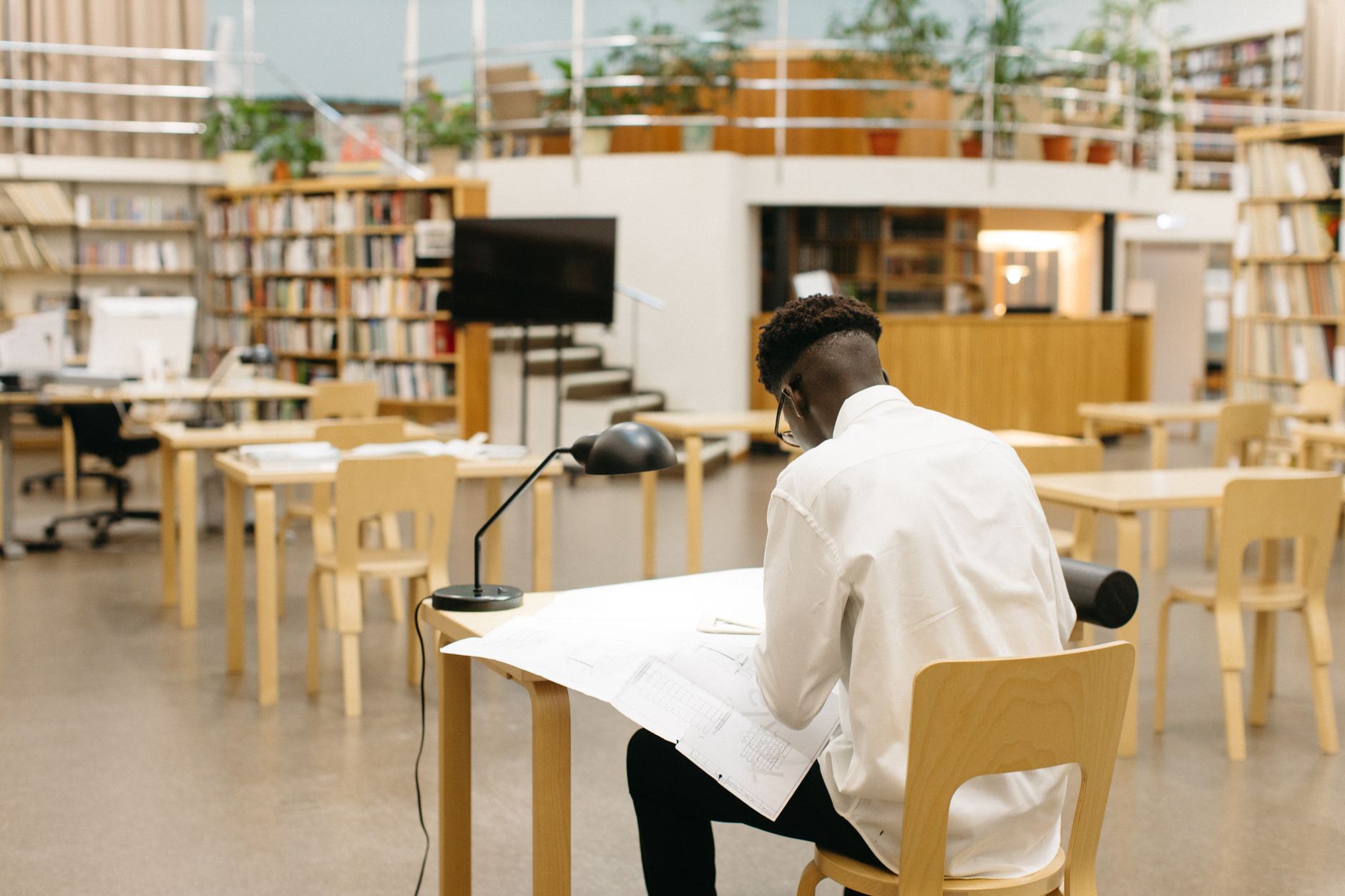
Libraries: the unexpected comeback story
Here’s one I genuinely didn’t see coming. Libraries, long derided as relics of a pre-Kindle world, are having a proper moment. Footfall at public libraries in England increased for the second consecutive year in 2025, and remote workers are a significant part of that story.
It makes obvious sense when you think about it. Free Wi-Fi, free heating, quiet working environments, no pressure to buy anything every forty minutes, and an increasingly impressive range of meeting rooms available to book. Leeds Central Library, for instance, now has bookable study pods. Birmingham Library, one of Europe’s largest, has entire floors that function as a co-working space in all but name.
Councils have clocked this too. Rather than defending library budgets purely on cultural grounds (difficult when money is tight), some are now making the case based on economic footprint, libraries are supporting local freelancers, keeping people out of cafes where they’d spend money, and filling a genuine gap in affordable workspace. That argument tends to land better with councillors who care about regeneration.
Bookshops that don’t really want you to leave
The bookshop evolution is perhaps the most charming part of this whole story. Independent bookshops have been fighting for survival for years, and a surprising number have responded by pivoting towards the “destination” model: in-store cafes, reading nooks, author events, and an implicit invitation to stay for a while.
Blackwell’s in Oxford has always had something of this feel, but you can see it now in far smaller towns. A bookshop in Hebden Bridge, another in Totnes, several scattered across Edinburgh’s Stockbridge neighbourhood. They’re not pretending to compete with Amazon on price. They’re selling atmosphere, community, and the specific pleasure of working surrounded by books. Remote workers, who’ve discovered they can choose their environment, are choosing this.
The economics stack up because remote workers spend time, and time converts to coffee sales, book purchases, and event tickets. The same dynamic has driven the transformation of several Waterstones branches, the Bristol branch on Park Street, for instance, has seats that are almost never empty on a weekday morning.
Who else is cashing in on the third space shift?
The ripple effects go further than cafes and libraries. Hotels with good lobbies are marketing themselves explicitly to day-use remote workers. The “day rate” hotel room, rented for £30-50 for a few hours of working in a quiet space with a proper desk, has become a real product at Holiday Inns and Marriotts across the country.
Museum cafes and gallery spaces are seeing similar patterns, particularly in cities. The V&A, Tate Modern, the National Museum of Scotland: these are all places you’ll find people camped with laptops on any given Tuesday, well away from the tourist crowds. The institutions tolerate it because footfall matters to funding, and visitors spend money in the cafe.
It’s worth noting that this shift also has implications for how businesses and services market themselves. The same forces that have pushed millions of workers out of traditional offices are pushing millions more online, which is one reason the conversation around automation and changing employment patterns in retail is so urgent right now. Physical spaces and digital spaces are evolving together, not independently.
The spaces that are struggling to keep up
Not every space has adapted well. Traditional pubs, which were once Oldenburg’s archetypal third space, have mostly not managed the transition, noisy during evenings, too quiet and unwelcoming during the day, and often lacking reliable Wi-Fi. Some gastropubs near business districts have made a go of it, but it’s the exception.
Shopping centres have tried co-working conversions with patchy results. A WeWork on the upper floor of a Lakeside or Meadowhall has obvious footfall potential, but remote workers tend to choose places with character, not places that feel like a slightly nicer version of the office they left. The aesthetic matters more than corporate property consultants expected.
There’s also a class dimension worth naming. The third space boom has largely benefited people in knowledge-economy jobs with the flexibility and income to spend £4 on a coffee while they work. Hourly workers, people in manufacturing and logistics, those in roles that can’t be done remotely, they’re watching a transformation that doesn’t really include them. The conversation about how employers are changing hiring and working practices often skips this part.
What this means for town centres
Town planners and local councils are slowly waking up to what this means for regeneration. If the post-pandemic office worker has dispersed across the country, spending time in smaller towns and market towns they’d previously only visited at weekends, that’s foot traffic and consumer spending that didn’t exist there before. Harrogate, Stamford, Ludlow, smaller towns with good transport links and a decent cafe culture are genuinely benefiting.
This also feeds directly into conversations about planning permissions and the use of commercial property. Old retail units sitting empty on high streets are increasingly being converted into hybrid spaces: part cafe, part library-esque working space, part community hub. Some are commercially driven, others council-funded, many a mixture of both. The third space, in other words, isn’t just a social concept any more. It’s a planning category. And it’s posing similar kinds of questions for local authorities as other forms of spatial innovation.
Remote working didn’t kill the high street. It might actually be saving parts of it, just not the parts anyone expected.
Frequently Asked Questions
What is a third space and how does it relate to remote working?
A third space is any place that isn’t home or a formal workplace, think coffee shops, libraries, bookshops, or community halls. With remote working now permanent for millions of UK employees, these spaces have become the default working environment for people who want to get out of the house but don’t have a desk to go to.
Are coffee shops in the UK actually designed for remote workers now?
Many are actively adapting. Independents are adding power sockets, quieter seating areas, and monthly coffee subscriptions aimed at regular laptop workers. Chains like Costa have also been retrofitting locations with better working setups, and some cafes now advertise themselves explicitly as laptop-friendly on Google Maps.
Can I use a UK public library as a co-working space?
Yes, and increasingly they encourage it. Many libraries now offer bookable study rooms and quiet zones with Wi-Fi specifically suited to remote workers. It’s entirely free, which makes it particularly useful for freelancers or those who don’t want to spend money on a coffee shop every day.
How much does a day-rate hotel workspace cost in the UK?
Day-use hotel workspace packages typically run from around £30 to £50 for several hours of access, often including Wi-Fi and use of a proper desk in a quiet room. Some hotels bundle this with lunch or coffee. It’s become a genuine product at mid-range hotel chains across most UK cities.
Which UK towns are benefiting most from the third space remote working trend?
Smaller towns with good rail connections and existing cafe or cultural scenes are seeing the biggest gains: places like Harrogate, Stamford, Hebden Bridge, and parts of Edinburgh’s Stockbridge area. Remote workers are dispersing beyond major cities, bringing consumer spending into town centres that previously relied heavily on weekend visitors.