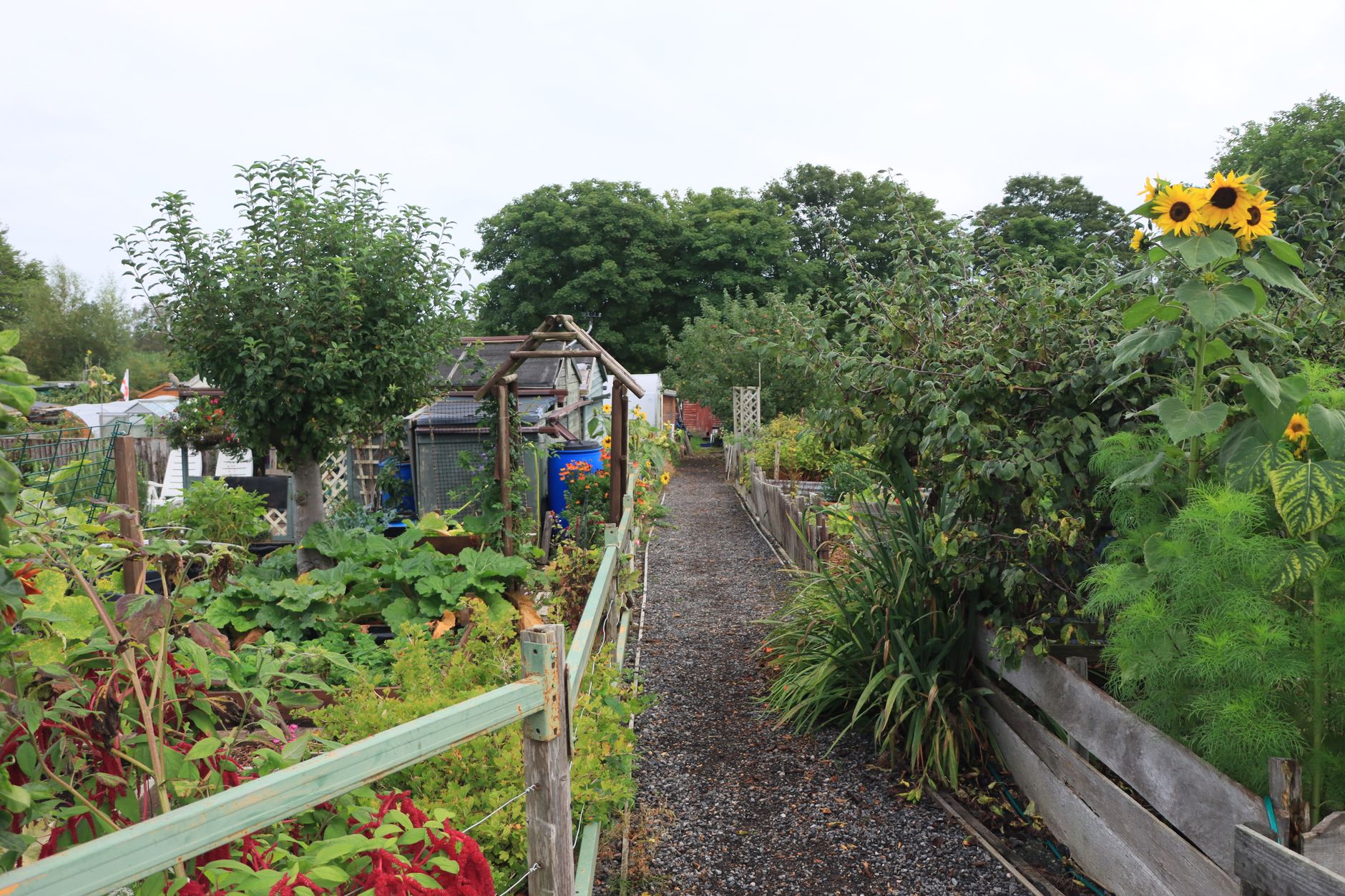
There is something wonderfully stubborn about the British allotment. Mud-caked boots, a flask of tea going cold, arguments with the plot committee about the height of your sweet peas. It has survived two world wars, the invention of the supermarket and roughly forty years of people predicting its death. And now, in 2026, it is surviving something else entirely: a full-blown tech invasion. I went down a rabbit hole recently looking at what allotment holders are actually buying and using, and honestly, I was not expecting half of it.
Soil sensors and the end of guesswork watering
The single biggest change I keep hearing about from allotment holders is the arrival of cheap, accurate soil sensors. B&Q now stocks starter kits from around £18 that measure moisture, pH and light levels, push readings to your phone via Bluetooth and tell you, in plain English, whether your carrots are sitting in a bog or a desert. Companies like Verve and third-party brands you have probably never heard of are filling the shelves with these things, and they are selling fast.
The shift matters because overwatering is genuinely the number one thing that kills beginner crops in the UK, where we tend to assume the sky is doing most of the work and then panic-water during a dry fortnight. A sensor that buzzes your phone when the soil drops below a set moisture threshold takes the angst out of it. One plot holder in Hackney told me she had gone from losing most of her courgette crop every summer to harvesting more than she could give away, just by using a £22 Xiaomi sensor stuck in the ground beside her raised beds.
Waiting list apps: the digital queue for a bit of earth
Getting an allotment in Britain has always required patience bordering on the heroic. According to the National Allotment Society, waiting lists in some London boroughs now run to eight years or more. Councils have historically managed these lists with spreadsheets, handwritten notes and, in one memorable case I read about, a ledger dating back to 1987. That is finally changing.
A handful of councils, including Bristol and Sheffield, have rolled out dedicated allotment management platforms where residents can join the waiting list digitally, track their position in real time, receive automated notifications when a plot becomes available and even flag maintenance issues on their existing plot via an app. It sounds basic but for anyone who has spent three years ringing a council office only to be told their call is very important to them, it is a revelation. The same councils using AI to spot potholes before drivers even notice them (there’s a good read on that here) are increasingly bringing the same digital-first thinking to green space management.
AI planting calendars tailored to British growing zones
This is the bit that genuinely surprised me. There are now AI-powered planting calendar tools that do not just give you generic advice lifted from an American gardening magazine written for a climate nothing like ours. They pull in your postcode, cross-reference it with Met Office historical data for your specific region and generate a planting schedule adjusted for local last-frost dates, rainfall patterns and average sunshine hours.
Grow with Patch, Veg Plotter and a newer tool called Gaia (still in beta but already popular on UK allotment forums) all offer versions of this. The difference between growing advice written for Birmingham and growing advice written for Aberdeen is not trivial. It can be the difference between a full harvest and a plot that sits bare because you sowed too early after a warm March that lied to you.
I tried one of these tools with a Sheffield postcode and it warned me not to plant out my tomato seedlings until the second week of June, at least a fortnight later than most printed guides suggest. That kind of specificity used to require either decades of local experience or a very helpful neighbour with an encyclopaedic memory for frost dates.
Smart irrigation and the surprisingly low-tech middle ground
Full smart irrigation systems (the kind with buried drip lines, automated valves and a hub that connects to your home Wi-Fi) are catching on among plot holders who have larger or more complex allotments, though they are still a minority purchase. Prices have dropped significantly; a basic Hozelock Sensor+ setup runs to around £65 and will automatically water at the right time of day based on soil readings, pausing if it detects rainfall.
Most allotment holders I spoke to are somewhere in the middle: not fully automated, but using at least one smart tool alongside traditional methods. A water butt with a sensor. A phone app for planning crop rotation. A simple timer on their hosepipe connection. The tech is not replacing the ritual of being there, getting your hands dirty, chatting across the fence about whether this summer is going to be worse than last. It is just quietly removing the parts that were mostly anxiety in disguise.
There is an analogy here with what is happening in fitness. Just as AI personal trainer apps are changing how Brits approach exercise without removing the physical effort, allotment tech is changing how people grow food without making it feel less like proper gardening. The mud is still there. The slugs are still there. The brassica cage that always falls over is absolutely still there.
The community side: forums, Discord servers and shared sensor data
Something I did not expect to find was just how much of this tech adoption is community-driven. UK allotment holders have always shared knowledge, seeds and the occasional strongly worded opinion about the right way to grow onions. Now they are sharing data. Several allotment sites around the country have set up shared environmental monitoring stations, little weather and soil stations planted at the edge of the site that log temperature, rainfall and humidity to a shared dashboard any plot holder on the site can access.
One site in York has been running a shared sensor network since early 2025 and the committee told me it has effectively eliminated the usual springtime panic about whether there has been a late frost. Everyone just checks the dashboard. There is something quite lovely about that. A community that has always thrived on collective knowledge finding a new way to pool it.
Online, the Reddit community r/ukgardening and a thriving Discord called The Plot (mostly UK allotment holders) are where a lot of this product knowledge gets shared and stress-tested before anyone spends money. If you are considering buying one of the soil sensor kits and want real opinions rather than Amazon reviews written by bots, those are genuinely the places to go. And if you manage a community allotment site and want to keep members informed via a newsletter, making sure your emails actually land in inboxes rather than spam folders is worth checking with a tool like Mail Tester before you hit send.
Is allotment tech actually worth the money?
For the lower-cost stuff, yes, pretty clearly. A £20 soil sensor that stops you losing half your crops to overwatering pays for itself in the first season. AI planting calendars are mostly free or very cheap and the quality has improved enormously. Waiting list apps cost the allotment holder nothing and are long overdue.
The higher-end smart irrigation systems are harder to justify for a small plot unless you travel a lot and genuinely cannot get to the allotment during dry spells. Plenty of plot holders do fall into that category, and for them the cost-benefit maths is different.
The broader picture is that Britain’s allotment culture is not being replaced by technology. It is being made a little less stressful, a little more data-informed and arguably more accessible to people who do not have decades of inherited horticultural knowledge behind them. That feels like a good thing. The waiting lists are still long, the pigeons are still determined and the runner beans are still inexplicably political. Some things tech cannot fix.