Something genuinely interesting is happening across Britain’s city centres right now. Alcohol-free bars are opening. Sober social clubs are filling up on Friday nights. Cafés that used to close at 5pm are reinventing themselves as evening hangout spots, serving elaborate zero-proof cocktails and staying busy until midnight. The dry socialising trend has arrived, and it is considerably louder than you might expect from something built around not drinking.
This is not a niche wellness fad tucked away in a yoga studio. These are proper venues with mood lighting, DJ nights, and queues out the door. Manchester, Bristol, Birmingham, and London are all seeing genuine growth in this space, and the people walking through those doors are not all teetotallers by necessity. Many of them just fancy a night out without the hangover.
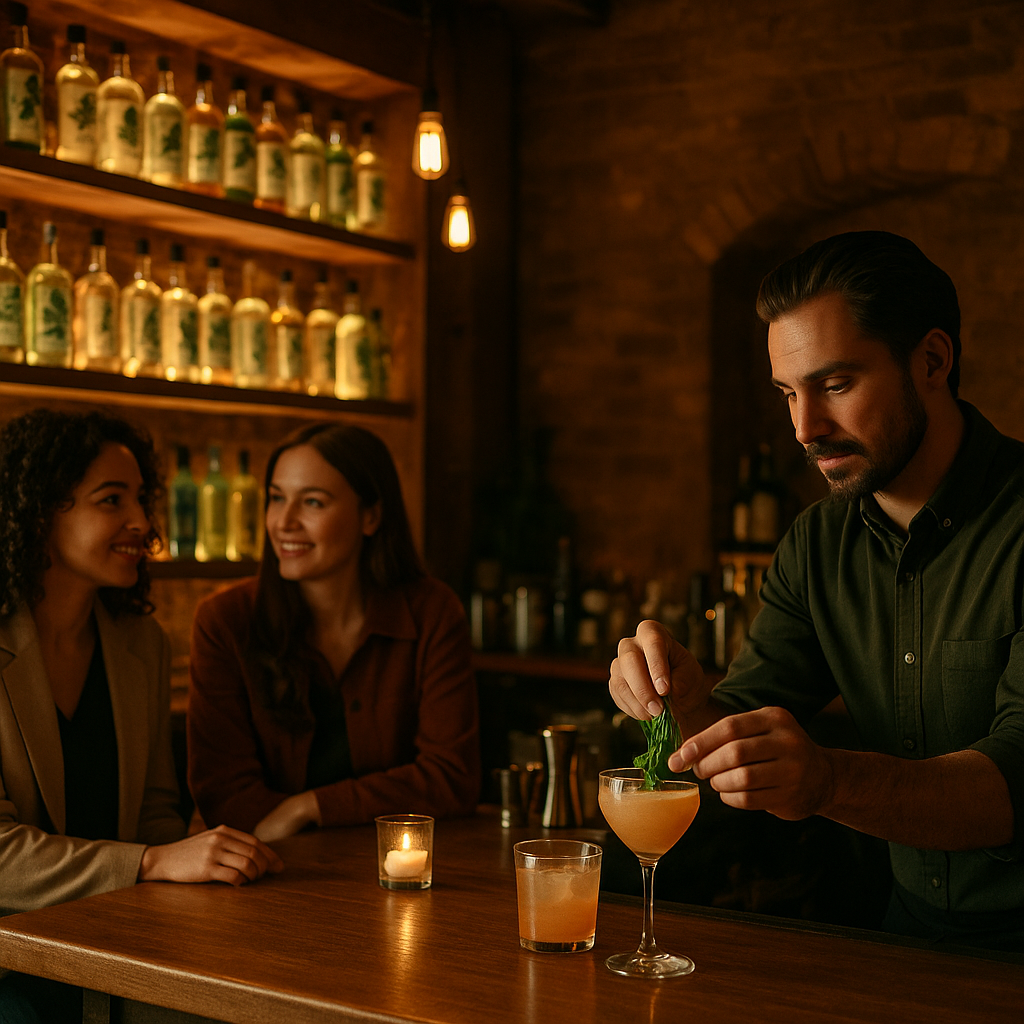
What are dry socialising venues, exactly?
The term covers a broad range of places. At one end you have fully alcohol-free bars like Redemption in London, which has been running since 2013 and has watched its customer base expand dramatically over the past few years. At the other end you have hybrid venues that serve both alcoholic and non-alcoholic drinks but are deliberately designed to make the non-alcoholic options feel just as exciting, just as considered, just as worth staying out for.
Bristol has seen a cluster of new openings in the Stokes Croft and Clifton areas. Manchester’s Northern Quarter now has at least three dedicated sober-friendly venues that did not exist five years ago. Birmingham’s Digbeth neighbourhood, already known for its independent creative scene, has picked up several café-bars pitching explicitly at the sober-curious crowd. And in London, the number of alcohol-free or low-alcohol focused venues listed on apps like Sofar and Sober Socials has roughly doubled since 2023.
Why younger Brits are driving this shift
The numbers back this up pretty clearly. According to the Office for National Statistics, the proportion of 16-to-24-year-olds who say they do not drink alcohol has been rising steadily, sitting above 26% in recent surveys. That is more than one in four young adults choosing sobriety entirely, before you even count the much larger group who are simply drinking less.
The reasons vary. Cost is a big one. A round of drinks in central London or Manchester can eat through £40 in minutes, and when you are renting a flat with two other people and watching your energy bills, that sort of spend gets scrutinised. Mental health awareness is another factor. Gen Z has grown up with a much more open conversation about anxiety, sleep, and the way alcohol interacts with both. And then there is the social media dimension: if your night out is going to end up on Instagram or TikTok, you might prefer to remember it clearly.
This connects to something broader happening in how younger people present themselves professionally and socially. The same generation reinventing how they approach job applications and career identity is also rethinking what a good night out looks like. The two things are not unrelated.
What these venues actually look like inside
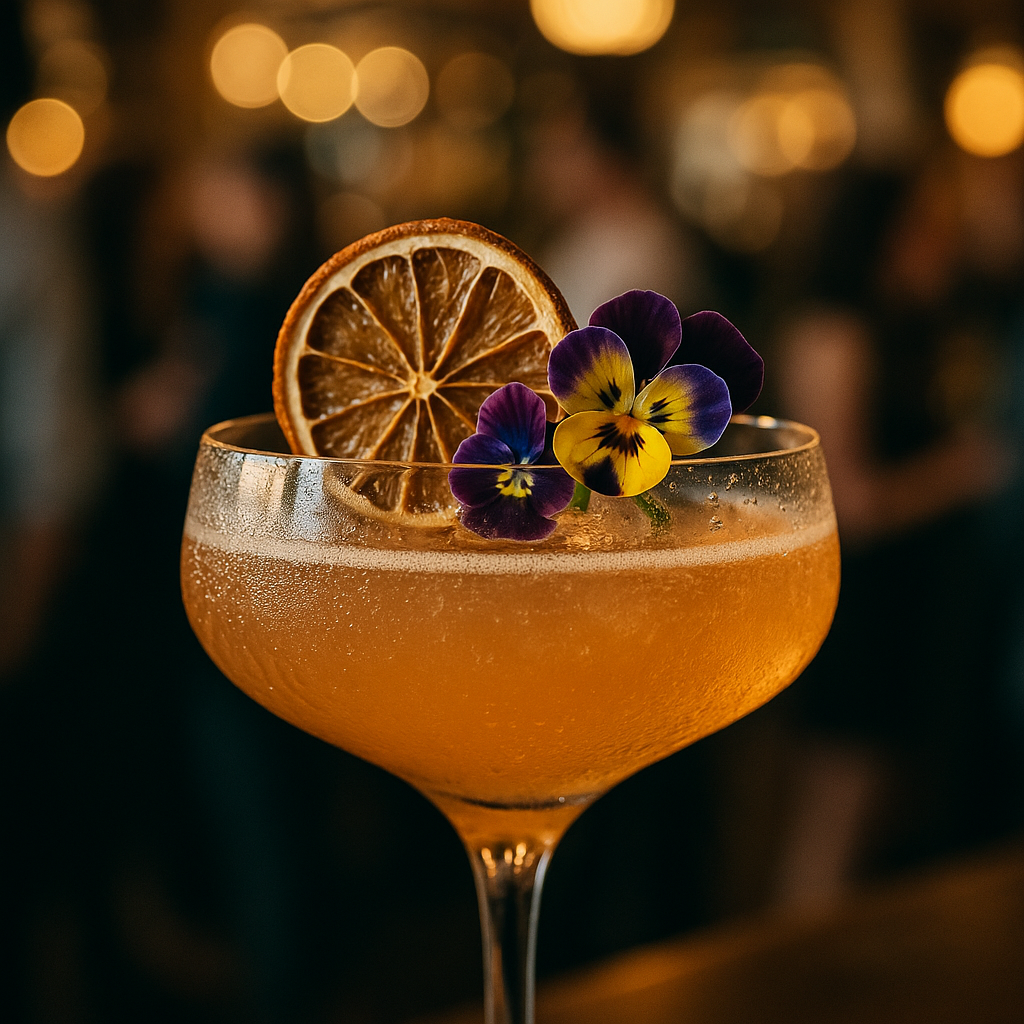
Forget sad orange juice in a pint glass. The drinks menus at serious dry socialising venues have become genuinely creative. Seedlip, Lyre’s, and Æcorn have given bartenders a palette of botanical, spirit-style non-alcoholic bases to work with. You will find drinks built around house-made shrubs, fermented teas, mushroom tinctures, and cold-brew coffee. Some venues charge £8 to £12 for a crafted mocktail, and people pay it without complaint, partly because the overall spend for the evening is still cheaper than a conventional night out.
The atmosphere is the other thing worth mentioning. A common assumption is that removing alcohol removes fun. It does not. Several of these venues run comedy nights, live acoustic sets, board game evenings, and speed-friending events (like speed dating, but for making new mates, which is genuinely brilliant). The social function of going out has always been about connection, not specifically about drinking. Dry socialising venues are just separating those two things out and finding that the connection part stands up perfectly well on its own.
The business side of going alcohol-free
Running a venue without an alcohol licence has some real practical advantages. Licencing costs are lower. Staff training around Challenge 25 policies is simpler. Insurance premiums tend to be friendlier. And the margins on a well-priced non-alcoholic cocktail can hold up respectably against a pint of lager when you factor out the duty.
That said, these businesses still need customers to find them. Several of the newer venues across Birmingham and Bristol have invested heavily in building their online presence from the ground up, including making sure their websites are technically sound and easy to discover. One owner I read about mentioned using a free SEO checker to audit her site before launch, which is exactly the sort of practical step a small independent venue needs to take when competing against well-established pub chains for search visibility.
The same creativity that drives independent UK retail reinventing itself online is very much present in this sector. Dry venues lean hard into social content, community building, and word-of-mouth in a way that traditional pubs rarely need to, because their audience is already online and already looking for them.
Is this a permanent change or just a moment?
Sceptics will point out that alcohol-free trends have appeared before and faded. Dry January has been a thing since 2013. But the difference now is that the infrastructure is building up around the behaviour. When there are actual venues designed for sober socialising, with actual regulars, actual events programmes, and actual communities forming around them, it starts to feel structural rather than seasonal.
The fact that major drinks companies have poured investment into non-alcoholic product lines (Heineken 0.0, Guinness 0.0, and Beck’s Blue are all growing faster than their alcoholic siblings in UK off-licence sales) suggests the industry itself sees this as durable. When corporations that built their entire identity around alcohol start taking the sober market seriously, that is usually a sign that something real is happening.
British cities have always been good at reinventing their social scenes. The same spirit that turned old warehouses into automated fashion hubs is turning old assumptions about nightlife on their head. Dry socialising venues are not the future of going out. They are one version of it, and a version that is clearly finding its crowd.
Frequently Asked Questions
What is a dry socialising venue?
A dry socialising venue is a bar, café, or social club that serves only non-alcoholic drinks, or deliberately centres its offering around high-quality zero-proof options. They look and feel like regular bars but without alcohol on the menu, and many host events like comedy nights, live music, and social meetups.
Are alcohol-free bars popular in the UK?
Yes, and growing quickly. Cities like London, Manchester, Bristol, and Birmingham have all seen new alcohol-free or sober-friendly venues open in the past few years. ONS data shows over a quarter of 16-to-24-year-olds in the UK now identify as non-drinkers, which is a significant audience.
What kind of drinks do sober bars serve?
Most quality alcohol-free venues serve crafted mocktails using botanical bases like Seedlip or Lyre’s, along with fermented teas, shrubs, cold brews, and alcohol-free spirits. The drinks can be quite sophisticated and often cost between £7 and £12 each.
Why are young people choosing alcohol-free socialising?
Cost, mental health awareness, and lifestyle choices are the main drivers. With the price of a round in city centres now very high, and growing awareness of how alcohol affects sleep and anxiety, many younger Brits simply prefer to socialise without drinking. The stigma around not drinking has also reduced significantly.
How do I find a dry socialising venue near me in the UK?
Apps and communities like Sober Socials and Club Soda list alcohol-free and sober-friendly events across UK cities. Instagram is also a strong discovery tool, as most of these venues build their following there. Searching locally for ‘alcohol-free bar’ plus your city name usually turns up several options.