Something strange is happening behind the bar at a growing number of British pubs. There’s no banter, no spilt lager, no one saying “same again?” The pint is being pulled by a machine. Pub automation in the UK has moved from novelty to genuine industry conversation, and I’ll be honest, I’ve got mixed feelings about it.
The hospitality sector has been squeezed hard. Rising energy bills, National Living Wage increases, and post-pandemic staffing gaps have left thousands of pubs looking for any edge they can find. Automation has become one answer, and the technology is arriving faster than most people realise.
What pub automation actually looks like in 2026
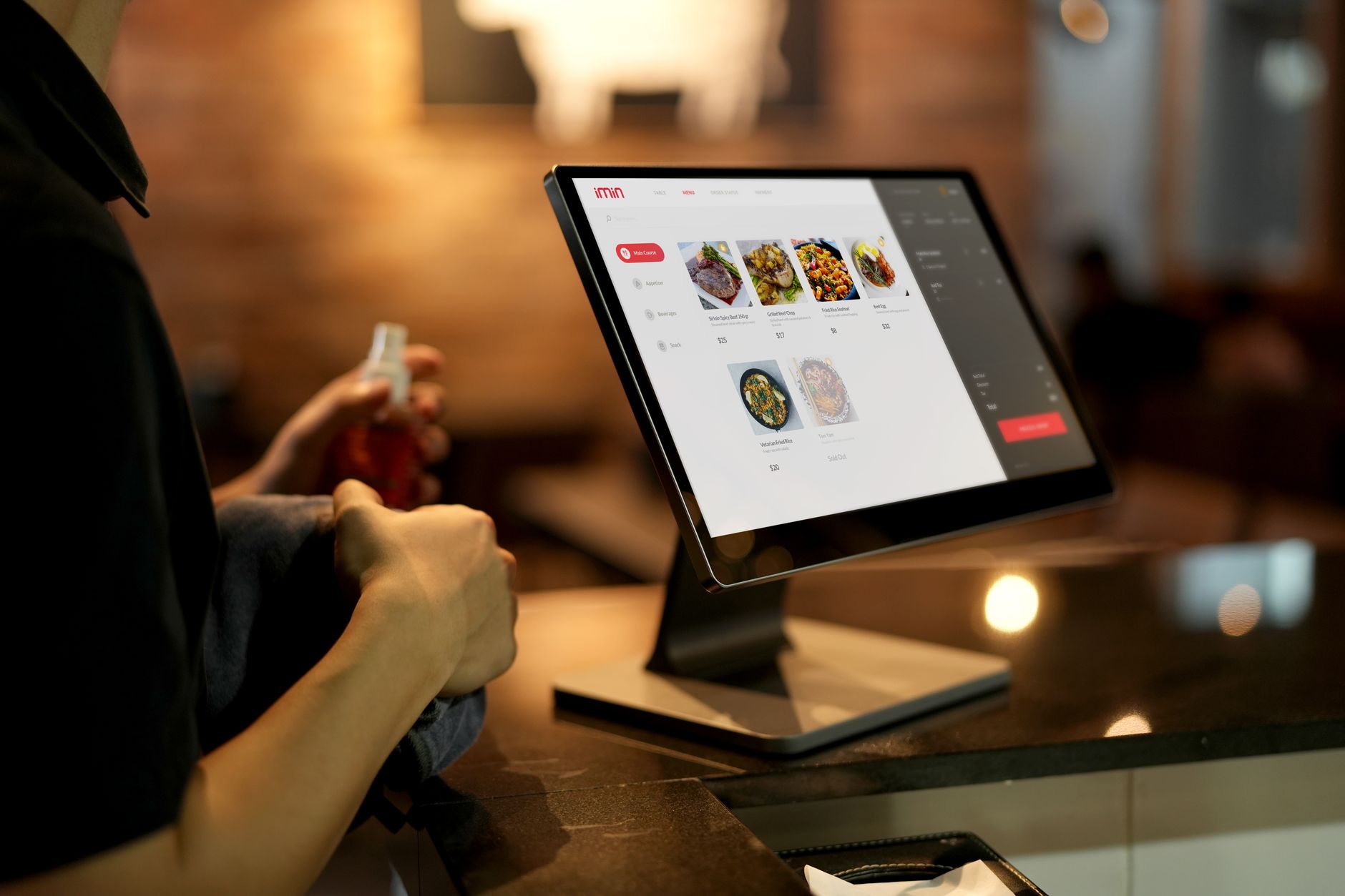
When most people hear “robot bartender”, they picture something from a science fiction film. The reality is both more mundane and more impressive. Systems like Robotic Dispensing Units, already trialled in venues in Manchester, Birmingham, and parts of London, handle repetitive pouring tasks, measure measures precisely, and never, ever give a generous free pour to a mate. Some systems integrate directly with digital ordering apps, so by the time a customer finishes tapping their order on a tablet, the drink is almost ready.
AI-driven ordering systems are arguably the bigger shift. Self-order kiosks, QR-code menus that upsell automatically, and kitchen management software that predicts demand based on weather forecasts and local events are all showing up in chain pubs and independent venues alike. A landlord in Sheffield I read about recently installed an AI scheduling tool that cut his weekly wage bill by around £400 simply by accurately predicting quiet Tuesday lunchtimes. That’s real money for a small business.
Why so many UK pubs are taking automation seriously now
The numbers driving this aren’t abstract. According to figures from the BBC’s coverage of the hospitality sector, the UK lost thousands of pubs in the years following the pandemic, with costs rather than footfall being the primary culprit. Energy, staffing, and food costs all rose simultaneously. Automation doesn’t eliminate those pressures, but it can blunt them.
There’s also the staffing problem. Hospitality has one of the highest staff turnover rates of any sector in the UK. Training a new bar person costs time and money, and finding reliable weekend staff in smaller towns has become genuinely difficult. A robot doesn’t call in sick on a Saturday night. It doesn’t hand in notice after three weeks. From a pure operational standpoint, you can see the appeal.
Larger pub groups are already leaning in. Greene King, Marston’s, and JD Wetherspoon have all experimented with digital ordering and app-based payment at various scales. Wetherspoon, famously, removed table service apps and then reintroduced them in modified form after customer feedback. The iteration itself is interesting. These are companies learning in public what works and what irritates people.
The atmosphere question nobody wants to properly answer
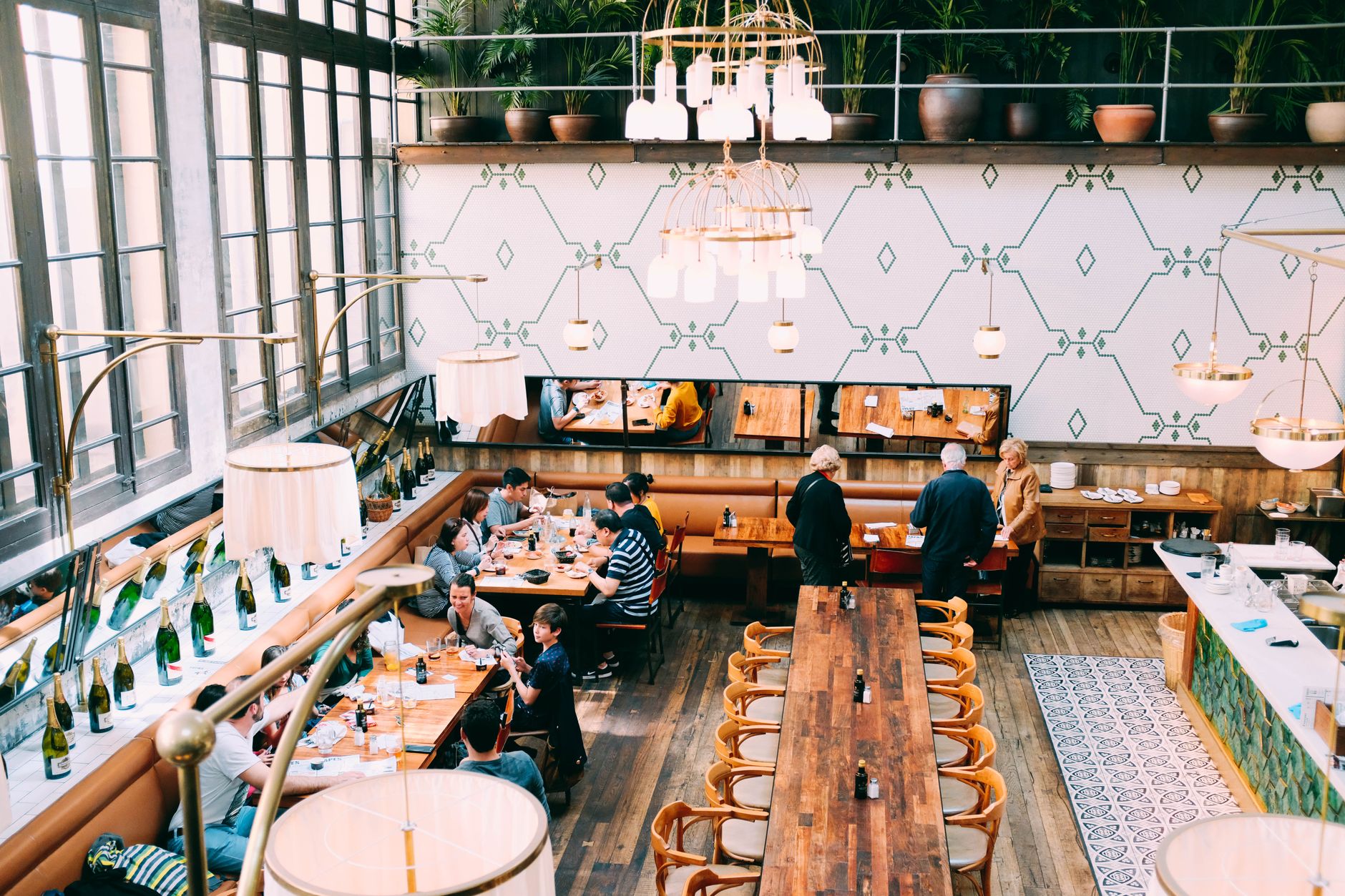
Here’s where I think the conversation gets genuinely tricky. The pub, specifically the British pub, is not just a place to consume alcohol efficiently. It’s a social institution. The landlord who knows your name, the barmaid who remembers you drink Guinness, the slightly chaotic energy of a busy Friday night with actual humans behind the bar, all of that is part of what people are paying for. Pub automation in the UK risks optimising away the very thing that makes pubs different from supermarkets.
I’ve been in pubs where the QR code ordering works beautifully and the food arrives faster than it ever did before. I’ve also been in pubs where hunting for Wi-Fi signal while a thirsty queue forms behind you feels deeply, profoundly un-pub-like. The technology doesn’t determine the atmosphere on its own. The way it’s implemented does.
Landlords themselves seem genuinely split. Some are enthusiastic adopters who see automation as survival. Others are resistant in a way that isn’t nostalgia, it’s strategy. A busy local pub where the regulars come specifically because Dave behind the bar is brilliant isn’t going to improve by replacing Dave with a tablet. Landlords responsibility for the character of a venue is real, and the best operators understand that their job is curating an experience, not just serving drinks.
The parallels with what’s happened in other UK industries are hard to ignore. Think about how robots sorting second-hand clothes in UK warehouses changed logistics without killing the charitable mission behind those organisations. Or how charity shops embraced tech to sell online and actually expanded their reach. In both cases, technology changed the operation without destroying the identity. Pubs could follow the same path, if they’re careful about what they automate and what they protect.
What the staff think
It’s easy to discuss this purely from the business angle, but the people most affected are the workers. UK hospitality employs roughly 3.5 million people, according to UK Hospitality’s own research, making it one of the largest employment sectors in the country. Automation that reduces head count doesn’t just affect one venue; it affects communities, particularly in smaller towns where the local pub might be one of the few employers offering flexible hours.
The counterargument, and it’s worth taking seriously, is that automation could free bar staff from the dullest, most repetitive tasks and let them focus on the human stuff: recommendations, conversation, dealing with the slightly complicated order from the table in the corner. Whether that plays out in practice, or whether it just means fewer staff doing the same amount of work, depends entirely on how individual owners use the tools.
Where this is all heading
My read is that full robot bartenders, the proper sci-fi versions, remain a fringe novelty for a long time yet. The real transformation in pub automation in the UK is quieter: smarter ordering systems, AI-assisted stock management, demand forecasting, and digital payments that cut queues without removing the person behind the bar. That’s not a dystopia. That’s just sensible tooling, the same kind of thinking that’s making UK weather forecasting sharper or helping all kinds of British businesses operate more efficiently.
The pubs that will thrive are the ones that use technology to handle the admin and the repetition, while investing the savings back into the things that make a pub a pub. The ones that go too far, turning the local into something that feels like a fast food outlet with a beer licence, will find out quickly that their regulars have somewhere else to be.
I’d rather have a slightly slower pint poured by a human who says hello. But I also want my local to still be open in five years. Somewhere in that tension is where British pub culture is going to work this out.