Somewhere in Salford, a bloke is making £180 a month from a rectangle of tarmac he used to leave empty every weekday. In Edinburgh’s Marchmont, a flat-share household covers their Netflix, Spotify and a Friday takeaway purely from the gap between their bins. And in Bristol’s Clifton, a retired couple were quietly horrified to discover their neighbour’s driveway had become a revolving door of strangers’ cars before they even knew driveway rental apps existed. The business of letting people park on your land has gone from a vague idea you might have once had to a genuinely significant chunk of the UK’s gig economy, and the apps powering it are locked in a proper scrap for your postcode.
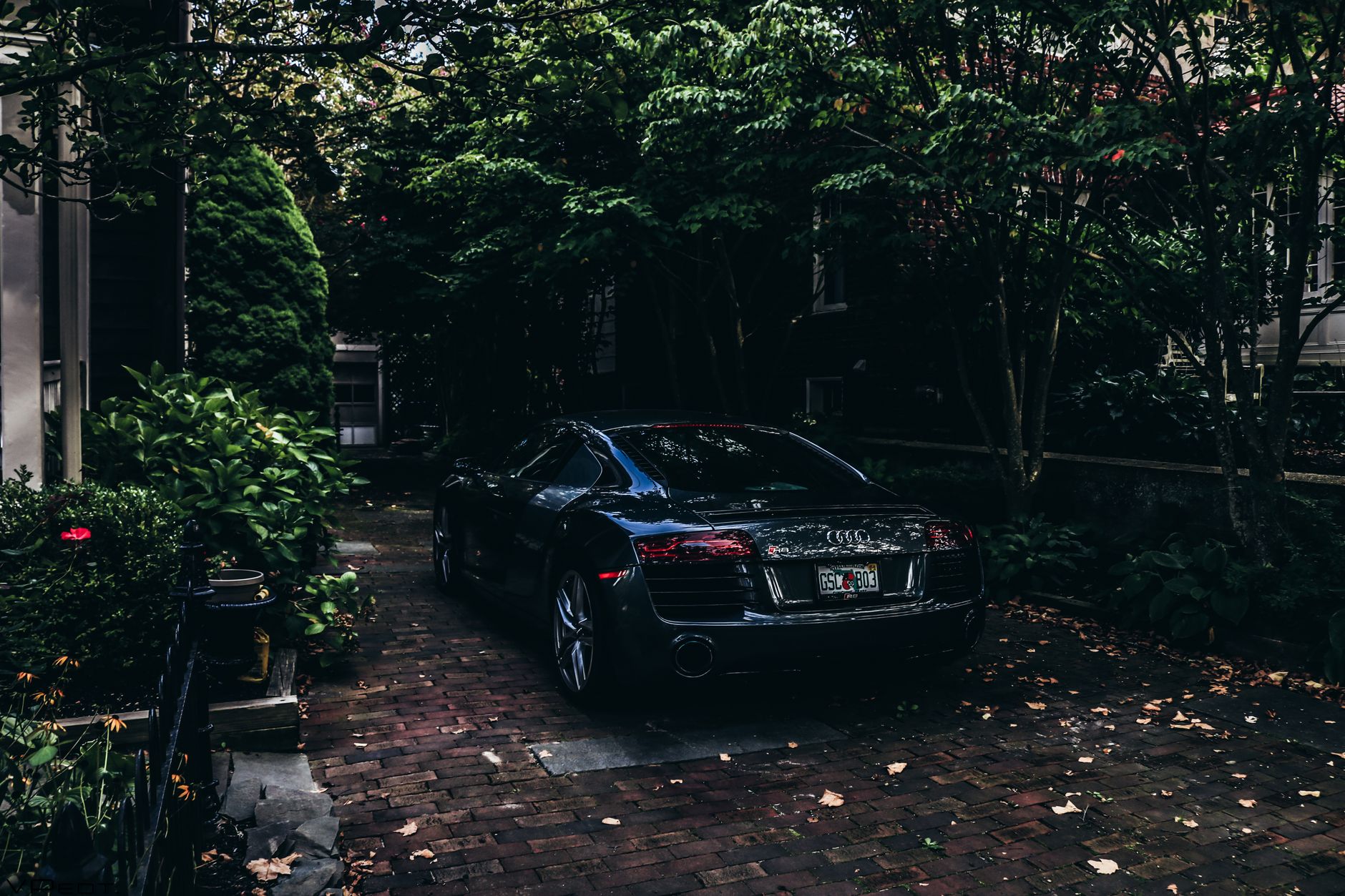
How renting out your driveway in the UK actually works
The basic pitch is beautifully simple. You list your driveway, garage space or private car park on a platform, set your price and availability, and wait for drivers to book. JustPark, founded in 2006 and probably the best-known name in this space, claims over 10 million users and more than 50,000 spaces listed across the country. YourParkingSpace, its scrappier rival, went through a period of aggressive expansion and now covers most major cities. There are smaller players too: Stashbee handles storage as well as parking, and SpotHero has made inroads in some urban areas. Each takes a commission, typically somewhere between 15% and 25%, and handles the payment processing, insurance questions and booking system so you don’t have to.
I had a look at live listings across a handful of UK cities recently, and the price variation is genuinely eye-opening. A residential driveway near Leeds city centre lists for around £5 to £8 per day for commuter parking. In central Manchester, particularly near Piccadilly and Deansgate, daily rates push £10 to £15. Central London is another world entirely: a Southwark driveway within walking distance of London Bridge was listed at £22 per day, and the owner claimed to be earning over £400 a month. Not bad for doing absolutely nothing.
Which UK cities are seeing the most driveway rental activity
Unsurprisingly, London dominates the volume of listings and income potential. But the interesting story is how smaller cities with acute parking problems are catching up fast. Edinburgh’s festival season turns ordinary residential streets into gold mines, a driveway near the Meadows can command £25 to £30 per day in August, and some hosts book out weeks in advance. Bristol’s lack of a cohesive city-centre car park strategy has made its residential fringes genuinely lucrative. Manchester’s ongoing construction projects keep pushing commuters away from their usual car parks, which feeds directly into demand for private spaces.
Birmingham is one I’d watch. With the city still adjusting its transport infrastructure post-Commonwealth Games, and a fairly fragmented council car park system, residential driveway listings have climbed steadily. According to BBC coverage of urban parking pressures in major English cities, the combination of rising car park charges and limited availability is pushing more drivers toward app-based alternatives. That’s a direct win for driveway owners willing to list their space.
The neighbour disputes nobody warned you about
Here’s where it gets less fun. I’ve spoken to people who rented out their driveway without giving much thought to how it would look from next door, and the stories are… instructive. One woman in Coventry told me her neighbour’s constant parade of unfamiliar cars made her feel uneasy enough to call the council. A couple in Cardiff found that a nearby listed space had cars blocking shared dropped kerb access roughly twice a week. These aren’t isolated grumbles, there are entire threads on Mumsnet and local Facebook groups where residents discuss whether their neighbour’s driveway rental constitutes a nuisance.
The legal picture is murky. If your driveway is entirely your own land, you generally have the right to let people use it. But if the activity starts to affect neighbours, regular blocking of access, noise late at night, unfamiliar people at odd hours, it can slide into nuisance territory, and councils do occasionally get involved. Homeowners in leasehold properties should also check their lease first; some explicitly prohibit commercial use of parking spaces, and renting yours out probably counts. It’s worth a careful read before you list anything. This kind of unexpected complication isn’t totally unlike the confusion councils face when new uses of residential property don’t fit neatly into existing planning categories, the rules simply weren’t written with this stuff in mind.
The council tax and tax questions that keep tripping people up
Let’s talk money, specifically the bit that HMRC is interested in. Rental income from a driveway is technically taxable, but most hosts fall under the government’s trading allowance, which lets you earn up to £1,000 per tax year from self-employment or casual income without needing to declare it. If your driveway earns more than that in a year, you’ll need to register with HMRC as self-employed (or declare it on a self-assessment return) and pay tax on the profit above the allowance. The good news is you can deduct platform commission from your gross income, which softens the bill. The bad news is that a lot of people simply don’t know this, and HMRC has been quietly expanding its data-sharing arrangements with digital platforms, similar to the arrangements that now cover Airbnb and eBay sellers, so don’t assume it’s invisible income.
Council tax is a separate but equally confused area. Renting out a driveway alone shouldn’t affect your council tax banding. But if you’re renting out a garage as storage (some platforms blur parking and storage), it gets more complicated, particularly if the garage is rated separately. My honest advice: check the gov.uk guidance on income tax and rental income before you list anything, and keep a record of every payment the platform sends you. It costs nothing to be organised and it could save you a nasty letter twelve months later.
The app wars: what JustPark and YourParkingSpace are competing on
From a host’s perspective the platforms are pretty similar in practice, but there are differences worth knowing. JustPark tends to have better brand recognition, which means more organic traffic finding your listing. YourParkingSpace reportedly offers a slightly higher host payout in some markets (they’ve run promotions offering 80% to the host versus 75% on JustPark, though these vary). Both offer instant booking options, and both let you block out dates when you actually need the space yourself, which is important if you’re not renting a dedicated spare space but your actual daily driveway.
The user experience question is interesting. Drivers mostly care about price, proximity and reliability of access. Hosts care about payment speed, dispute resolution and ease of blocking calendar dates. Neither platform is perfect on all counts, and I’ve seen complaints about both in equal measure. The competition is genuinely healthy, it’s kept commission rates from climbing too high and pushed both platforms to improve their apps significantly over the past couple of years. This kind of quiet digital competition in everyday life reminds me of how the battle between Deliveroo and Uber Eats has reshaped how we think about what a restaurant even is, platforms change behaviour in ways that ripple out far beyond the app itself.
Is it actually worth it?
Realistically, for most people in most places, a driveway in a residential suburb won’t earn life-changing sums. If you’re two miles from a city centre with reasonable public transport links, you might earn £30 to £60 a month. If you’re near a football ground, a hospital, a train station or a major venue, you could do significantly better, especially if you price smartly around events. The effort involved is genuinely low once you’re set up. The apps handle payment, booking confirmations go to your phone, and most interactions are frictionless.
The hidden costs are real though. Wear on your driveway surface, the occasional driver who ignores your access instructions, the neighbour who stops saying hello in the morning. For some people those things matter. For others, £150 a month for doing almost nothing is an easy yes. And given that the cost pressures on British homeowners right now are genuinely intense, it’s not hard to see why millions of driveways are quietly working for their owners in ways they never were before.
The concrete rectangle outside your house might just be your most underrated asset. Worth a look, at the very least.