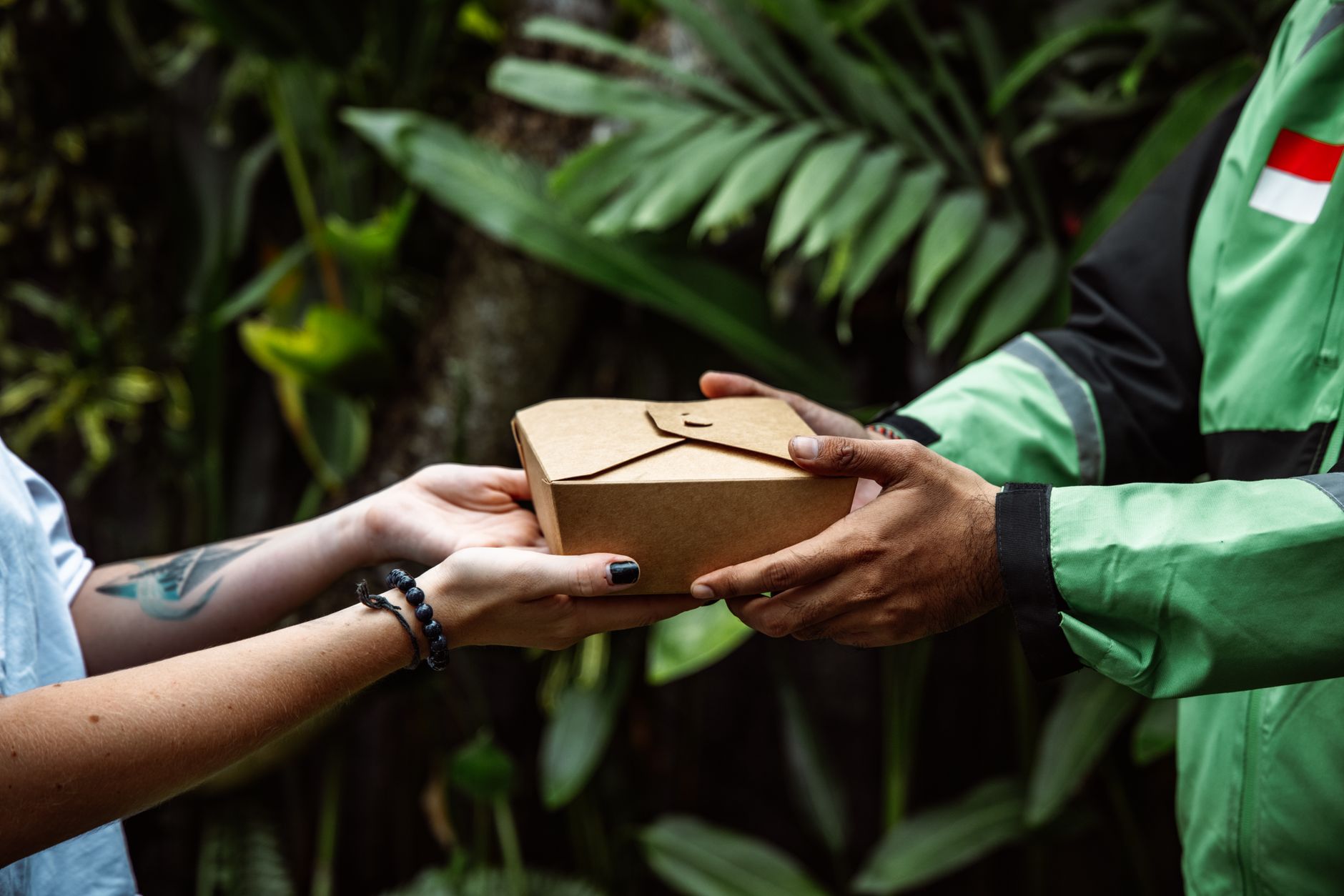
You open Deliveroo on a Tuesday night, spot what looks like a trendy new burger place called something like “Griddle & Glory” or “Smash Bros. Burgers”, order confidently, and twenty-five minutes later a bag arrives with a logo you’ve never seen before slapped on a generic white box. Sound familiar? There’s a decent chance that meal came from a single commercial kitchen in an industrial unit somewhere on the edge of town, the same kitchen simultaneously operating as a pizza restaurant, a fried chicken joint, a loaded fries brand, and yes, your burger spot. This is the world of dark kitchens and fake restaurant names, and it’s grown so fast across British cities that regulators are genuinely struggling to keep pace.
What actually is a dark kitchen?
The term gets used loosely, but in its purest form a dark kitchen (also called a ghost kitchen or cloud kitchen) is a commercial cooking facility that exists solely to fulfil delivery orders. There’s no front-of-house, no tables, no walk-in customers. Just chefs, equipment, packaging, and a constant stream of app notifications. That bit is entirely legal, and honestly quite sensible from a business perspective. Rent on a kitchen-only space in, say, Salford or Bermondsey is a fraction of what a full restaurant would cost.
The murkier part is the multi-brand play. A single operator running one kitchen might list eight, ten, or even fifteen separate “restaurant” names on Uber Eats and Deliveroo simultaneously, each with its own logo, its own menu theme, and its own star ratings. Customers browsing the app have no straightforward way to know that “Seoul Street Kitchen” and “The Loaded Potato Co.” and “Texan BBQ House” are all the same three people in the same room using the same fryer. I’ve spent a fair bit of time cross-referencing addresses on Just Eat, Deliveroo, and Uber Eats, and the pattern is everywhere once you know what to look for. The same postcode, different brand names, wildly different cuisines.
How do they get away with listing multiple brands?
The delivery platforms themselves don’t prohibit it outright. Deliveroo and Uber Eats both allow operators to list multiple brands from a single kitchen location, provided each listing goes through the standard onboarding process. That process includes providing business details and, in theory, confirming food hygiene registration. The problem is that the hygiene rating displayed on the listing may belong to the overarching kitchen business, not to the individual “brand” the customer thinks they’re ordering from. So a kitchen with a 3-star Food Standards Agency rating might be trading under five brand names, some of which customers assume are independent restaurants with their own hygiene histories.
The FSA does require all food businesses to register with their local council before trading, and ghost kitchens are no exception. But registration and inspection are different things. Councils are stretched, inspections can lag by months or years, and a new “brand” launching inside an already-registered kitchen might never trigger a fresh visit. According to guidance published by the Food Standards Agency, businesses operating multiple brands from one site should register each brand separately if the food types differ significantly, but enforcement of that requirement is patchy at best.
The hygiene problem nobody’s properly talking about
Here’s the thing that should bother you. When you order from a restaurant on the high street, you can look up its FSA hygiene rating on the FSA’s own website, tied to its physical address and trading name. With dark kitchens and fake restaurant names in the UK, that chain of accountability gets blurry very quickly. A brand name on Deliveroo might not match any registered business name at that address. The hygiene rating displayed in-app might be years out of date. And if something goes wrong, a food safety incident, an allergen issue, tracing which “brand” was responsible and who was actually in the kitchen that day becomes a genuine nightmare for both the customer and the local authority environmental health team.
Allergen labelling is a particular concern. Since Natasha’s Law came into force in October 2021, all prepacked-for-direct-sale food must carry full allergen information. But delivery orders exist in a grey zone: they’re not technically prepacked in the same way. The requirement is that allergen information is available if a customer asks, but with a fake-named brand on an app, many customers don’t even know who to ask, or what the actual business name is. This isn’t hypothetical worry, the BBC has reported on cases where delivery app customers received food they hadn’t expected, with no clear route back to the kitchen responsible.
Are Deliveroo and Uber Eats doing anything about it?
Both platforms have made noises about transparency. Deliveroo updated its listing policies in 2024 to require that operators disclose whether a brand is operating from a shared kitchen facility. Uber Eats has a similar policy on paper. In practice, spot-checking these disclosures is hard, and the platforms rely heavily on self-reporting from operators. Neither platform proactively publishes a list of which brands share addresses, so customers remain largely in the dark (no pun intended). The Competition and Markets Authority has been watching the food delivery sector more broadly, much as it has been cracking down on fake reviews in e-commerce, but specific action on ghost kitchen transparency hasn’t materialised yet.
Some councils have taken matters into their own hands. Tower Hamlets and Leeds have both trialled proactive inspection sweeps of known dark kitchen hubs in their areas, treating industrial estates and shared commercial kitchen spaces the way they might approach a cluster of new restaurant openings. But this is very much local initiative rather than national policy, and it depends entirely on councils having the inspection capacity to follow through.
What the platforms could do better (and probably won’t without pressure)
The fix isn’t complicated in principle. Mandatory display of the registered business name behind every listing, visible to the customer before they order. A live link to the FSA hygiene rating tied to the specific address, not just the brand name. Clear disclosure when multiple brands share a kitchen. These are things the platforms could implement technically in weeks. Whether they will without regulatory compulsion is another question. The business model benefits from the volume of apparent “choice” on the app, forty restaurants in your area sounds better than fifteen, even if fifteen of those forty are the same kitchen.
My read is that we’re heading towards some kind of mandatory disclosure requirement, probably driven by either the FSA updating its guidance with actual teeth, or Ofcom-style pressure on the platforms as part of broader digital market regulation. Ofcom’s expanding remit over online platforms doesn’t currently cover food delivery apps directly, but the precedent of regulators demanding transparency from app-based marketplaces is clearly being set.
What you can do right now as a customer
Until the rules catch up, a bit of detective work goes a long way. If you’re curious whether a restaurant on a delivery app is a dark kitchen with multiple aliases, search the postcode on the FSA’s ratings website and see what business names are registered there. If the name on the app doesn’t match anything registered at that address, that’s a flag worth noting. You can also check whether the same postcode appears under other brand names on the same app by searching directly. It’s a bit tedious, but it takes about two minutes and tells you a lot.
None of this means dark kitchens are automatically bad. Some produce genuinely excellent food, run squeaky-clean hygiene operations, and are completely transparent about what they are. The issue is that the current system makes it very easy for the bad actors to hide behind brand names in a way that traditional restaurants simply cannot. And in a sector where informal and app-based commerce increasingly shapes how Brits spend money, the accountability gap is only going to matter more as delivery orders keep climbing. The food’s getting to your door. The question is whether you actually know who cooked it.